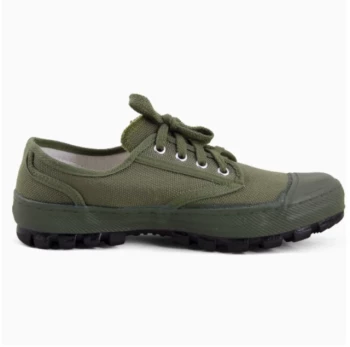
The most common materials used for gardening shoes are rubber and EVA (ethylene-vinyl acetate). These materials are chosen for their excellent waterproofing, durability, and how easy they are to clean, which are the most critical features for footwear used in dirt, water, and mud.
The ideal gardening shoe material isn't just about one feature; it's about achieving a functional balance. While waterproofing is paramount, the choice between materials like rubber and EVA ultimately comes down to balancing weight, durability, and comfort for the specific tasks you perform in the garden.
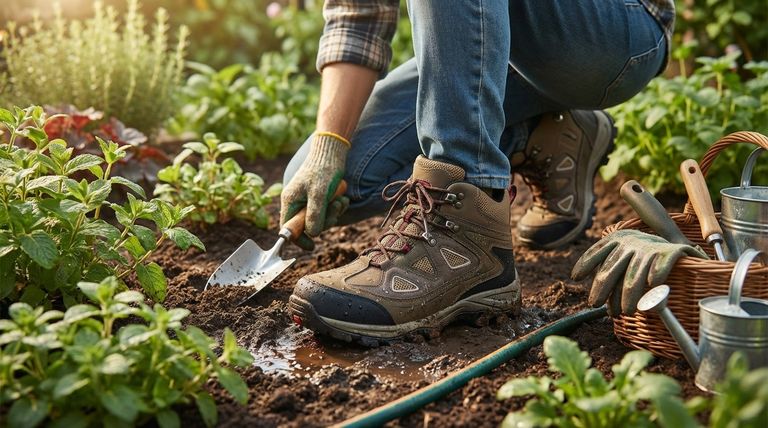
The Core Properties of an Ideal Gardening Shoe
Before diving into specific materials, it's crucial to understand the functional demands placed on gardening footwear. The material choice is a direct response to these needs.
Waterproofing is Non-Negotiable
Gardening involves water, dew-covered grass, and mud. Keeping your feet dry is essential for comfort and health, which is why impermeable materials are the standard.
Durability Against the Elements
Gardening shoes must withstand abrasion from soil, rocks, and tools, as well as constant bending and crouching. The materials must resist cracking and tearing over time.
Ease of Cleaning
Shoes will inevitably get covered in dirt and mud. The best materials have a non-porous surface that can be quickly and completely hosed off between uses.
Comfort and Flexibility for Movement
A gardener is constantly in motion—kneeling, bending, and walking on uneven surfaces. A good gardening shoe needs a flexible sole and a comfortable fit to accommodate these movements without causing strain.
Essential Traction and Support
Slippery mud and loose soil are common hazards. The shoe's material and outsole design must provide reliable grip and adequate support to prevent slips and foot fatigue.
A Breakdown of Common Materials
The following materials are the industry standards because they excel at meeting the core properties required for gardening.
Rubber: The Traditional Standard
Rubber is the classic choice for gardening footwear, especially for boots. It is completely waterproof, highly durable, and provides excellent traction on wet surfaces. Its sturdy nature offers great protection from sharp sticks or rocks.
EVA (Ethylene-Vinyl Acetate): The Lightweight Contender
EVA is a foam-like synthetic material that is incredibly lightweight, flexible, and waterproof. It's often used for slip-on clogs and shoes, providing remarkable comfort for long periods of standing or walking.
Neoprene: The Breathable Hybrid
Often found in combination with rubber, neoprene is the same material used in wetsuits. It adds flexibility and a degree of breathability to a boot's upper, which can reduce heat buildup compared to an all-rubber design.
Understanding the Trade-offs
No single material is perfect for every gardener or every task. Understanding the inherent compromises is key to making an informed choice.
The Heat vs. Protection Dilemma
The main drawback of fully waterproof materials like rubber and EVA is their lack of breathability. In hot weather, they can trap heat and cause feet to sweat. Shoes that incorporate neoprene uppers attempt to mitigate this, but they are still warmer than standard athletic shoes.
Flexibility vs. Heavy-Duty Support
Lightweight EVA clogs offer fantastic comfort and flexibility for general tasks like planting or weeding. However, they may not provide the ankle support or underfoot protection needed for heavy digging or navigating very rugged terrain, where a sturdier rubber boot would excel.
Selecting the Right Material for Your Garden
Your choice should be dictated by the type of work you do most often.
- If your primary focus is all-weather, heavy-duty work: A durable rubber boot provides the ultimate protection from water and hazards.
- If your primary focus is lightweight comfort for casual tasks: An EVA clog is an unbeatable choice for its ease of use and comfort.
- If your primary focus is a balance of protection and all-day comfort: A shoe combining a rubber lower with a flexible neoprene upper offers a versatile compromise.
Choosing the right material ensures your footwear works with you, not against you, in the garden.
Summary Table:
| Material | Key Features | Best For |
|---|---|---|
| Rubber | Waterproof, Durable, Excellent Traction | Heavy-duty work, all-weather protection |
| EVA | Lightweight, Flexible, Waterproof | Casual tasks, lightweight comfort |
| Neoprene | Breathable, Flexible (often used with rubber) | A balance of protection and all-day comfort |
Ready to Source High-Quality Gardening Footwear?
As a large-scale manufacturer, 3515 produces a comprehensive range of durable and comfortable gardening shoes and boots for distributors, brand owners, and bulk clients. Whether you need the rugged protection of rubber boots or the lightweight comfort of EVA clogs, our production capabilities ensure top-quality footwear that meets your customers' needs.
Contact our team today to discuss your production requirements and get a quote!
Visual Guide

Related Products
- Durable Rubber Sole Outdoor Shoes Wholesale & Custom Manufacturing
- Wholesale Durable Camouflage Canvas Shoes with High-Traction Cleated Rubber Sole
- Wholesale Durable Camo Canvas Shoes with High-Traction Rubber Soles
- Premium Lightweight Safety Shoes for Wholesale & Bulk Orders
- Wholesale Comfortable Business Casual Shoes Custom Manufacturing
People Also Ask
- What is the function of the sole in outdoor shoes? Find the Perfect Grip and Support
- What role do outdoor shoes and sneakers play in navigating external terrains? Engineered Stability for Every Surface
- How is AI utilized in the design of outdoor and safety footwear? Harnessing Big Data for Market-Driven Shoe Innovation
- Why is durability important when selecting outdoor shoes? A Guide to Safety & Long-Term Value
- What are the key components of outdoor shoes that affect comfort and sturdiness? A Guide to Durable, High-Performance Footwear