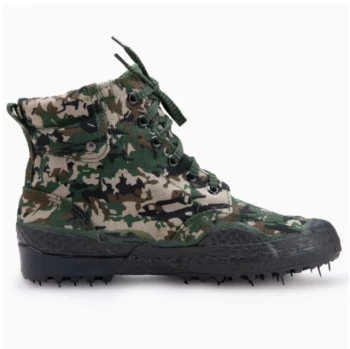
The primary material used for the main body of these hunting boots is CR neoprene, a synthetic rubber most commonly known for its use in wetsuits. This material is specifically chosen for its exceptional waterproofing and thermal insulation properties, making it ideal for cold and wet environments.
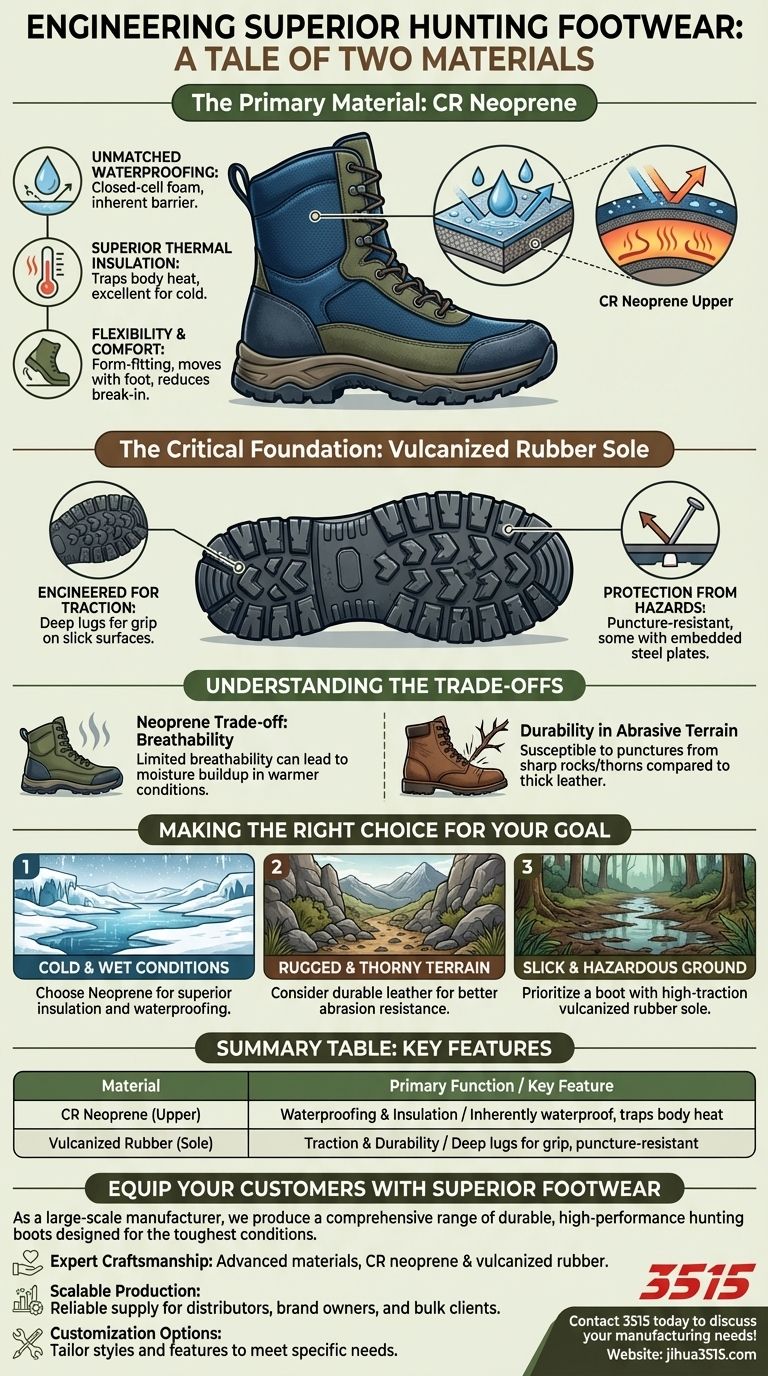
The design of modern hunting footwear is a tale of two materials: a flexible, warm, and waterproof neoprene upper fused to a rugged, high-traction rubber sole. This combination is engineered to keep you dry and stable in challenging conditions.
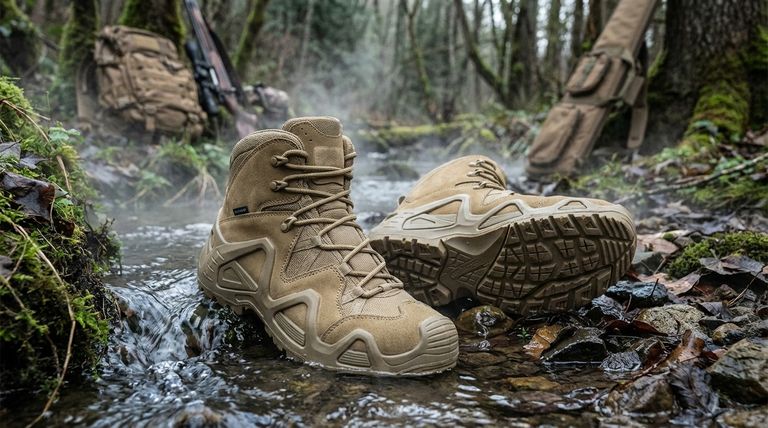
Why Neoprene is the Core Material
The choice of neoprene is not accidental; it is a strategic decision based on the specific demands of a hunting environment. Its properties provide a clear advantage over traditional materials in certain scenarios.
Unmatched Waterproofing
CR neoprene is a closed-cell foam, meaning it is inherently waterproof. Unlike materials that rely on a membrane or coating, the material itself forms a complete barrier against moisture, ensuring your feet remain dry in swamps, streams, or heavy rain.
Superior Thermal Insulation
The same properties that make neoprene effective in wetsuits apply here. The material traps a thin layer of air and body heat, providing excellent insulation. This is critical for hunters who often remain stationary for long periods in cold weather.
Flexibility and Comfort
Compared to stiff, heavy leather, neoprene offers significant flexibility. This allows for a more comfortable, form-fitting boot that moves with your foot, reducing break-in time and potential for chafing during long treks.
The Critical Role of the Sole
While the neoprene upper provides protection from the elements, the sole is engineered for safety and interaction with the ground.
The Foundation of a Boot
The soles are typically made from vulcanized or molded rubber. This process creates a durable, resilient material that can withstand harsh terrain without cracking or breaking down.
Engineered for Traction
These rubber soles are designed with deep, aggressive lugs. This tread pattern provides stable traction on slick surfaces like wet rocks or mud and is often shaped to prevent the accumulation of dirt and debris that can compromise grip.
Protection from Hazards
Many models incorporate additional safety features. Soles are frequently puncture-resistant to protect against sharp objects on the ground, and some even include embedded steel plates for maximum defense against unseen hazards.
Understanding the Trade-offs
No single material is perfect for every situation. While neoprene offers significant benefits, it's important to understand its limitations compared to other materials like leather.
Breathability vs. Waterproofing
The primary trade-off with neoprene is breathability. Because it forms a complete waterproof barrier, it does not allow water vapor (sweat) to escape easily. In warmer conditions or during high-exertion activities, this can lead to moisture buildup inside the boot.
Durability in Abrasive Terrain
While tough, neoprene can be more susceptible to punctures and tears from sharp rocks or thorns than a high-grade, thick leather boot. Army combat boots, for instance, use layered rough leather specifically because it can endure extreme abrasion.
Making the Right Choice for Your Goal
Selecting the right boot means matching the material's strengths to your specific environment and activity.
- If your primary focus is warmth in cold, wet conditions: A neoprene boot is the superior choice for its unmatched insulation and waterproofing.
- If your primary focus is traversing rugged, thorny, or rocky terrain: Consider a boot with a more durable exterior, like full-grain leather, for better resistance to cuts and abrasion.
- If your primary focus is safety on slick or hazardous ground: Prioritize a boot with a high-traction vulcanized rubber sole, regardless of the upper material.
Understanding these material choices empowers you to select footwear that functions as a true tool for your environment.
Summary Table:
| Material | Primary Function | Key Feature |
|---|---|---|
| CR Neoprene (Upper) | Waterproofing & Insulation | Inherently waterproof, traps body heat |
| Vulcanized Rubber (Sole) | Traction & Durability | Deep lugs for grip, puncture-resistant |
Ready to Equip Your Customers with Superior Hunting Footwear?
As a large-scale manufacturer, 3515 produces a comprehensive range of durable, high-performance hunting boots designed for the toughest conditions. We offer:
- Expert Craftsmanship: Leveraging advanced materials like CR neoprene and vulcanized rubber.
- Scalable Production: Reliable supply for distributors, brand owners, and bulk clients.
- Customization Options: Tailor styles and features to meet your market's specific needs.
Let us be your trusted partner in delivering quality footwear that hunters depend on.
Contact 3515 today to discuss your manufacturing needs and request a quote!
Visual Guide
Related Products
- Wholesale Lightweight Tactical Boots Custom Manufacturer for Desert & Combat Use
- High-Traction Suede Tactical Boots Wholesale & Custom Manufacturing
- Durable Leather Tactical Boots Wholesale & Custom Manufacturing for Brands
- Durable Military Combat Boots with Water Drainage for Wholesale & OEM
- Wholesale Waterproof Tactical Boots Custom Suede & High-Traction Soles
People Also Ask
- What are the common types of combat boots? Find the Right Boot for Your Mission
- What specialized protections do tactical boots offer? Maximize Endurance with High-Performance Footwear
- What are the main construction similarities between tactical boots and tactical sneakers? Built for Performance & Durability
- How does additive manufacturing equipment reduce environmental risks? Sustainable Tactics for Modern Footwear Production
- How is the compatibility of polymer materials demonstrated in smart footwear? Enhancing Tactical & Training Performance