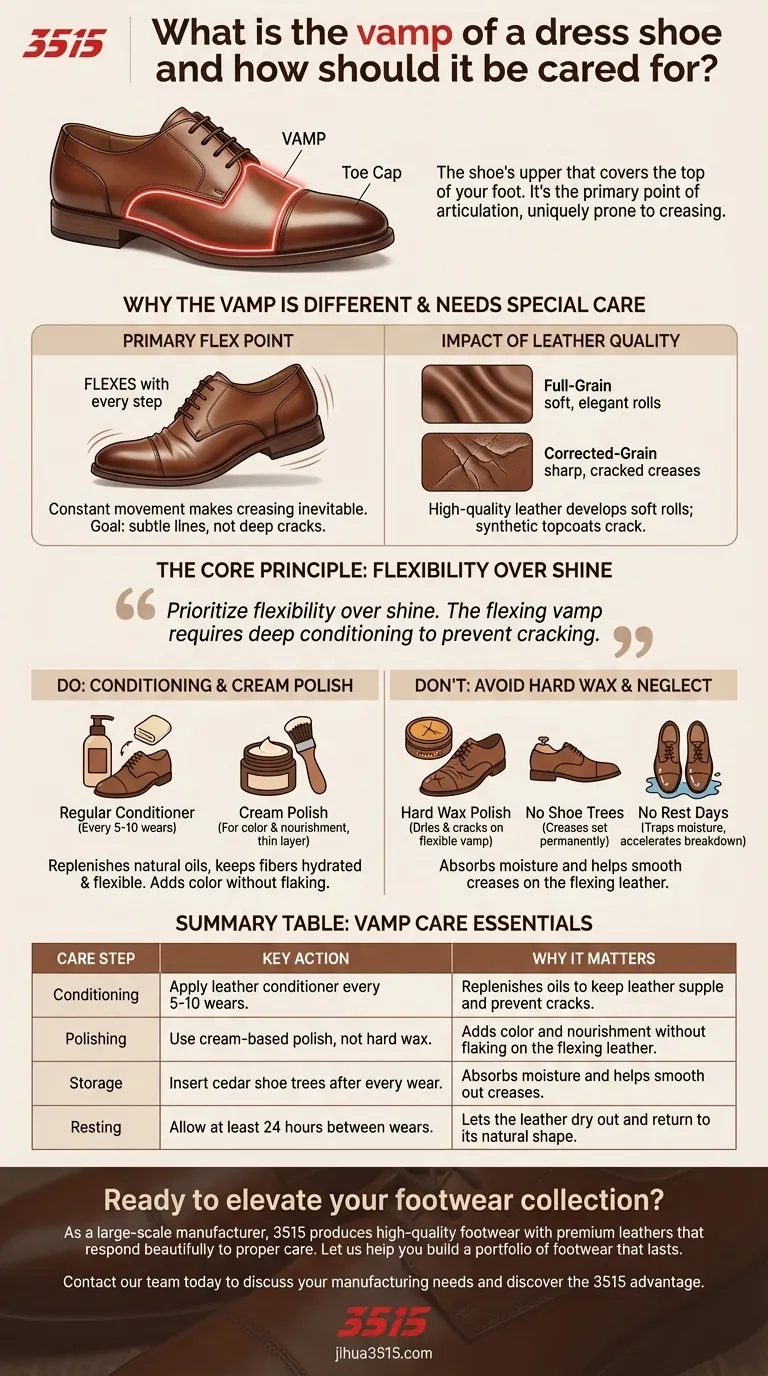
Understanding the vamp of a dress shoe is the single most important factor in preserving its appearance and lifespan. The vamp is the section of the shoe's upper that covers the top of your foot, located directly behind the toe cap. Because this area flexes and bends with every step you take, it is uniquely prone to creasing and requires a specific care routine that differs from the rest of the shoe.
The core principle of vamp care is prioritizing flexibility over shine. While other parts of the shoe benefit from a hard wax polish, the flexing vamp requires deep conditioning to prevent the leather from drying out and cracking along its natural crease lines.
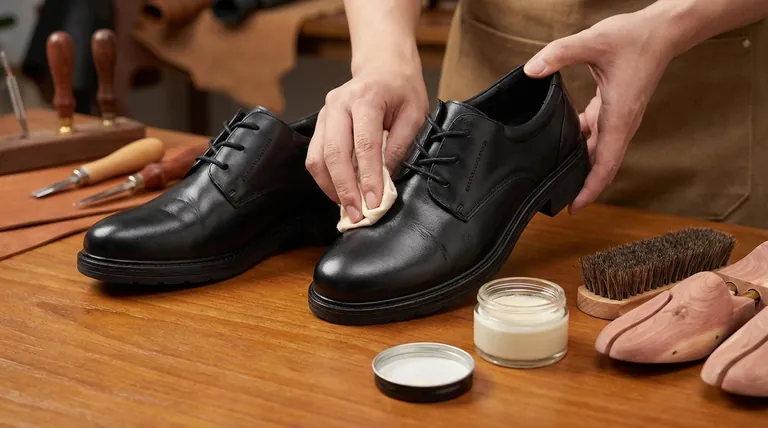
The Anatomy of Wear: Why the Vamp is Different
To care for the vamp correctly, you must first understand its structural role and how it responds to stress. It is the shoe's primary point of articulation.
The Shoe's Primary Flex Point
The vamp is the part of the shoe's upper that endures the most mechanical stress. Every time you walk, push off, or kneel, the leather in this area is compressed and stretched.
This constant movement is why creasing is inevitable. The goal of proper care is not to eliminate creases but to ensure they develop into fine, subtle lines rather than deep, damaging cracks.
The Impact of Leather Quality
The quality of the material dictates how gracefully the vamp will age. High-quality, full-grain leather has a tight fiber structure that allows it to develop soft, elegant rolls over time.
Lesser-quality or "corrected-grain" leathers often have a synthetic topcoat that is more brittle. These are more likely to develop sharp, cracked creases that break the surface finish.
A Targeted Care Strategy for the Vamp
Because the vamp flexes, it must be treated differently from the rigid toe cap or heel counter. Your care routine should focus on maintaining the leather's natural suppleness.
Conditioning is Non-Negotiable
The most critical step is regularly applying a leather conditioner. Conditioner penetrates the leather's pores, replenishing the natural oils and fats that keep the fibers hydrated and flexible.
A well-conditioned vamp can withstand thousands of flexes without breaking down. This step should be performed every 5-10 wears, depending on the climate and conditions.
Cream Polish for Color and Nourishment
If you need to add color, use a cream-based polish. Cream polishes contain a higher ratio of oils and pigments compared to wax, offering nourishment while restoring color.
Apply a very thin layer to the vamp with a soft cloth, work it in, and buff it off. This is usually sufficient to maintain a uniform appearance without compromising flexibility.
Common Pitfalls to Avoid
Many well-intentioned shoe care habits can actively damage the vamp. Avoiding these common mistakes is essential for long-term preservation.
The Over-Polishing Mistake
The most common error is applying hard wax polish to the vamp. Wax is designed to create a hard, glossy, protective shell—perfect for the rigid toe cap.
When applied to the flexible vamp, this hard wax shell doesn't bend with the leather. Instead, it dries, cracks, and flakes away, often pulling pigment from the leather's surface and accentuating the very creases you're trying to manage.
Neglecting Shoe Trees
Storing shoes without cedar shoe trees is the fastest way to let creases set permanently. A quality shoe tree provides two key benefits.
First, it absorbs moisture from the leather and lining. Second, it applies gentle pressure from within, smoothing out the vamp and encouraging the creases to relax after a day of wear.
Not Allowing Rest Days
Leather is a natural skin that needs time to breathe and dry out completely. Wearing the same pair of shoes on consecutive days traps moisture and accelerates the breakdown of leather fibers in the vamp.
Always allow at least one full day of rest between wears to let the shoe return to its natural shape and expel perspiration.
Making the Right Choice for Your Shoes
To preserve the appearance and lifespan of your dress shoes, tailor your care routine to this critical area.
- If your primary focus is longevity and preventing cracks: Prioritize regular conditioning on the vamp and always use cedar shoe trees after every wear.
- If your primary focus is a high-gloss shine: Concentrate wax polish only on the hard, non-flexing toe cap and heel, using only a minimal amount of cream polish on the vamp for color.
- If your primary focus is reviving older, creased shoes: Begin with a deep cleaning and conditioning treatment to restore moisture to the vamp before considering any type of polish.
A proper understanding of the vamp transforms shoe care from a routine chore into a deliberate act of preserving your investment.
Summary Table:
| Care Step | Key Action | Why It Matters |
|---|---|---|
| Conditioning | Apply leather conditioner every 5-10 wears. | Replenishes oils to keep leather supple and prevent cracks. |
| Polishing | Use cream-based polish, not hard wax. | Adds color and nourishment without flaking on the flexing leather. |
| Storage | Insert cedar shoe trees after every wear. | Absorbs moisture and helps smooth out creases. |
| Resting | Allow at least 24 hours between wears. | Lets the leather dry out and return to its natural shape. |
Ready to elevate your footwear collection?
As a large-scale manufacturer, 3515 produces a comprehensive range of high-quality footwear for distributors, brand owners, and bulk clients. Our production capabilities encompass all types of durable dress shoes and boots, crafted with premium leathers that respond beautifully to proper care.
Let us help you build a portfolio of footwear that lasts. Contact our team today to discuss your manufacturing needs and discover the 3515 advantage.
Visual Guide
Related Products
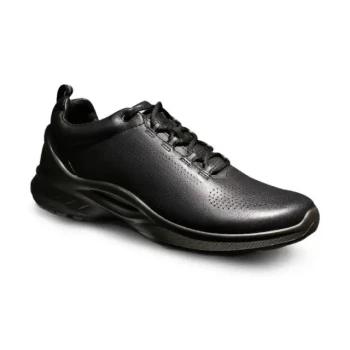
- Wholesale Comfort Dress Shoes with Dial Closure for Custom Manufacturing
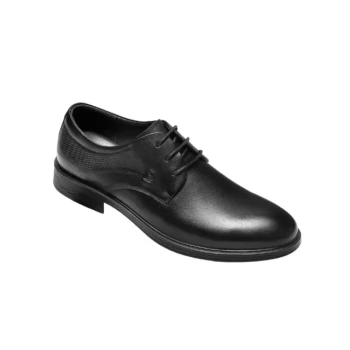
- Wholesale Leather Derby Dress Shoes Custom Manufacturer for Brands
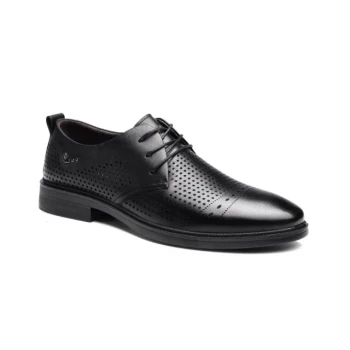
- Wholesale Breathable Perforated Leather Derby Dress Shoes for Custom Brands
- Wholesale Perforated Comfort Dress Shoes | Custom Derby Shoe Manufacturer
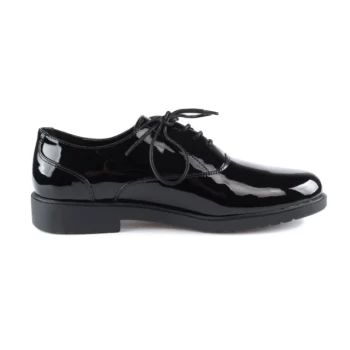
- Wholesale Patent Oxford Dress Shoes | Custom & Bulk Manufacturing
People Also Ask
- How do comfort dress shoes differ from traditional dress shoes? Discover the Ergonomic Advantage
- Which dress shoe styles are suitable for wearing with jeans? A Guide to Smart-Casual Style
- What features make dress shoes suitable for standing all day? Achieve All-Day Comfort with Anatomical Design
- What are the benefits of resoling dress shoes? Extend Life & Boost Comfort
- What recent trends have influenced traditional dress shoe designs? The Shift to Modern Comfort