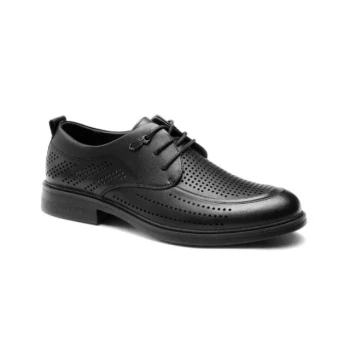
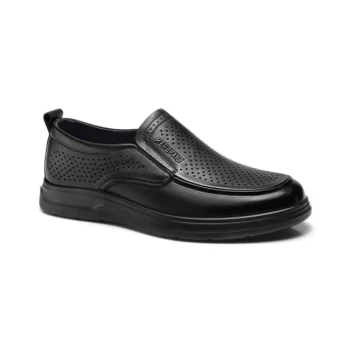
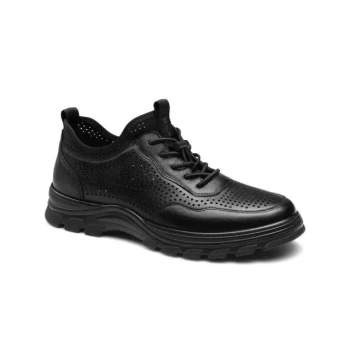
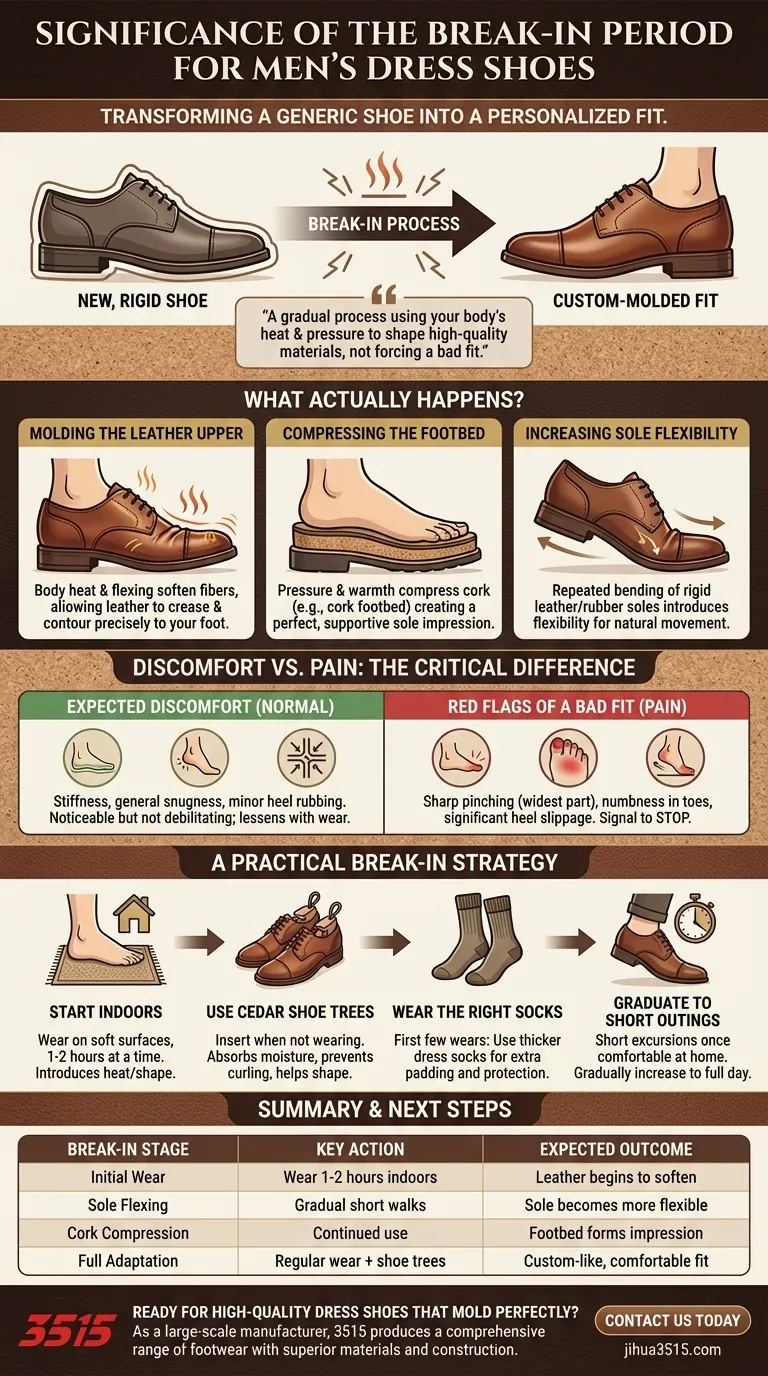
The significance of the break-in period is to allow the rigid, natural materials of a new dress shoe to permanently mold to the unique shape and movement of your foot. This process is what transforms a generic shoe into one that feels custom-made, providing lasting comfort and support.
A proper break-in period is not about forcing a poorly-fitting shoe to stretch. Instead, it is a gradual process of using your body's heat and pressure to shape high-quality materials like leather and cork into a personalized fit.
What Actually Happens During the Break-In?
Understanding the mechanics of the break-in period helps distinguish it from simply suffering through a bad fit. It is an interaction between your foot and the shoe's core components.
Molding the Leather Upper
The leather that forms the top part of the shoe starts out stiff. Your body heat and the natural flexing of your foot gradually soften these fibers, allowing the leather to crease and contour precisely to your foot's dimensions.
Compressing the Footbed
Many high-quality dress shoes feature a cork footbed sandwiched between the insole and the outsole. With each step, the pressure and warmth of your foot compress this cork, creating a perfect, supportive impression of your sole over time.
Increasing Sole Flexibility
A brand new leather or hard rubber sole is often rigid. The repeated bending action of walking slowly introduces flexibility, allowing the shoe to move more naturally with your stride rather than against it.
The Critical Difference: Discomfort vs. Pain
The most common mistake is confusing the normal, temporary discomfort of a break-in with the pain of a fundamentally poor fit.
Expected Discomfort
During a proper break-in, it is normal to feel stiffness across the top of the shoe, a general snugness, and perhaps some minor rubbing at the heel. This feeling should be noticeable but not debilitating, and it should lessen with each wear.
Red Flags of a Bad Fit
Pain is a signal to stop. If you experience sharp pinching, especially in the widest part of your foot, or numbness in your toes, the shoe is too narrow or the wrong shape. Significant heel slippage that doesn't improve with lacing is also a sign of a poor fit.
A Practical Break-In Strategy
A patient, structured approach is the key to successfully breaking in new shoes without causing damage to them or your feet.
Start Indoors
Begin by wearing your new shoes around the house on a soft surface, like a carpet, for just 1-2 hours at a time. This introduces the materials to your foot's heat and shape without the stress of a full day's wear.
Use Quality Shoe Trees
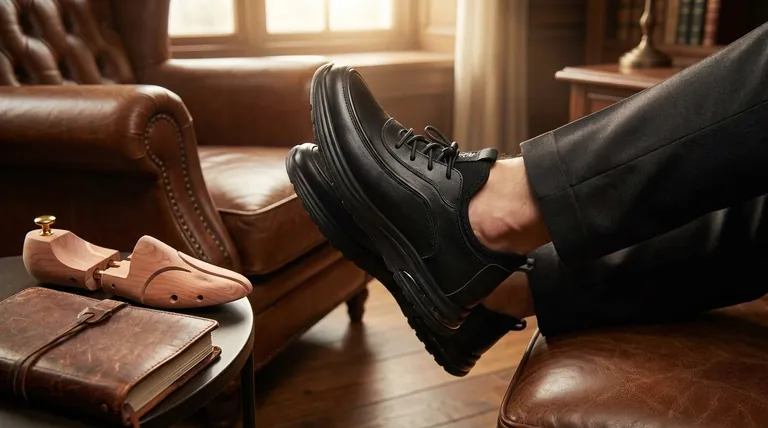
When you're not wearing the shoes, insert cedar shoe trees. They absorb moisture from the leather, prevent the sole from curling, and help maintain the shoe's shape as the leather settles, accelerating the molding process.
Wear the Right Socks
For the first few wears, opt for a pair of thicker dress socks. This provides a thin layer of extra padding to protect against potential hot spots and blisters while the leather is at its most rigid.
Graduate to Short Outings
Once the shoes feel reasonably comfortable for a couple of hours at home, begin wearing them for short excursions. A trip to the store or a short walk is ideal. Gradually increase the duration of wear until they are comfortable for a full day.
Making the Right Choice for Your Goal
Ultimately, the goal is a shoe that feels like a natural extension of your foot. Use these guidelines to determine your next steps.
- If your primary focus is breaking in a new, quality pair of shoes: Embrace the gradual process of wearing them for short periods, and recognize that mild stiffness is a normal sign of materials molding to your foot.
- If your primary focus is immediate comfort for an event: Choose a shoe made from softer suede or one with a rubber sole and cushioned insole, which typically require a minimal or non-existent break-in period.
- If your primary focus is determining a proper fit: Pay close attention to any sharp pinching or numbness—these are signs of a poor fit that no amount of "breaking in" can ever correct.
Understanding this process transforms buying new shoes from a painful risk into a long-term investment in personalized comfort.
Summary Table:
| Break-In Stage | Key Action | Expected Outcome |
|---|---|---|
| Initial Wear | Wear 1-2 hours indoors | Leather begins to soften and mold |
| Sole Flexing | Gradual short walks | Sole becomes more flexible |
| Cork Compression | Continued use over days/weeks | Footbed forms a personalized impression |
| Full Adaptation | Regular wear with cedar shoe trees | Shoe achieves a custom-like, comfortable fit |
Ready to invest in high-quality dress shoes that mold perfectly to your feet?
As a large-scale manufacturer, 3515 produces a comprehensive range of footwear for distributors, brand owners, and bulk clients. Our production capabilities encompass all types of shoes and boots, ensuring superior materials and construction for a comfortable, lasting break-in experience.
Contact us today to discuss your footwear needs and discover how we can provide the perfect fit for your customers.
Visual Guide
Related Products
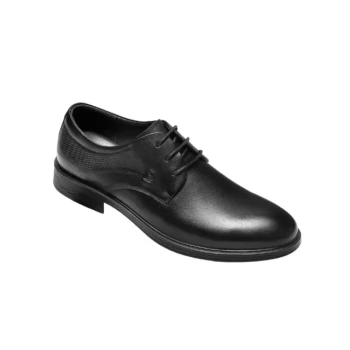
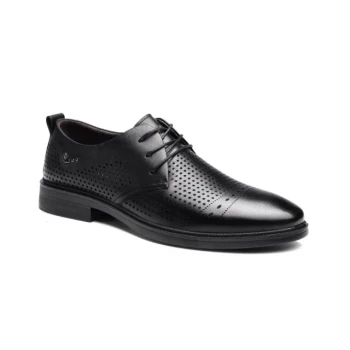
- Wholesale Leather Derby Dress Shoes Custom Manufacturer for Brands
- Factory Direct Wholesale Leather Comfort Shoes with Dial Closure
- Classic Leather Derby Dress Shoes Wholesale & Custom Manufacturing
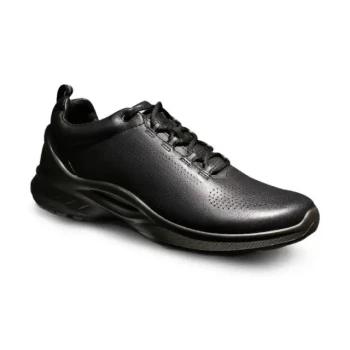
- Wholesale Leather Business Casual Shoes with Dial Closure - Manufacturer of Comfort Dress Sneakers
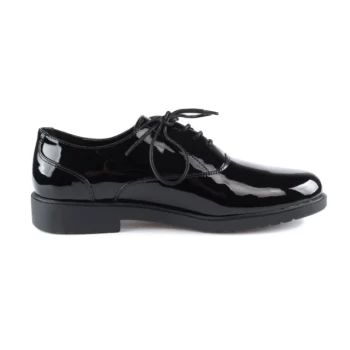
- Wholesale Patent Oxford Dress Shoes | Custom & Bulk Manufacturing
People Also Ask
- What is the main difference between Derby Shoes and Oxford Shoes? It's All in the Lacing.
- What are the features and appropriate occasions for wearing derby shoes? A Guide to Versatile Style
- How do Derby shoes fit into business casual attire? Master the Perfect Balance of Professional Style
- What historical figure is associated with the Derby shoe? The Earl of Derby's Comfort Revolution
- What is the difference between Derby and Oxford shoes? A Guide to Choosing the Right Shoe