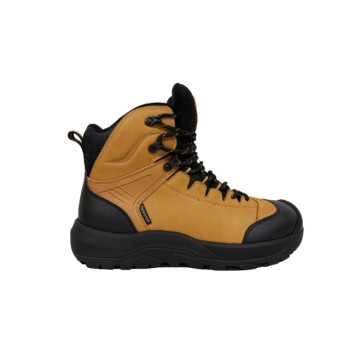
The primary purpose of integrating actuators like heating pads into functional footwear is to provide targeted thermal therapy for muscle stiffness and to establish a real-time biofeedback loop for posture correction. Rather than just recording data, these devices use thermal or tactile stimuli to actively guide the user toward better movement patterns.
Integrating actuators transforms footwear from passive data collectors into active intervention tools, allowing the system to detect physiological stress and immediately prompt the user to adjust their posture.
The Roles of Actuators in Rehabilitation
Relieving Muscle Stiffness
The most direct application of heating pad actuators is therapeutic. By generating controlled heat, these components provide thermal therapy directly to the foot.
This targeted heat helps alleviate muscle stiffness, which is particularly beneficial for rehabilitation patients dealing with rigidity or poor circulation.
Creating a Biofeedback Loop
Beyond therapy, actuators serve as the output mechanism in a smart sensing system. Sensors within the footwear first detect specific movement states or levels of physiological stress.
Once a specific threshold is met, the actuator triggers. This provides a physical signal—either thermal or tactile—back to the user in real-time.
Guiding Posture and Gait
The ultimate goal of this feedback is behavioral change. The physical sensation serves as a "reminder" or guide for the user.
Upon feeling the stimulus, the user is prompted to consciously adjust their posture or gait. This facilitates immediate correction rather than waiting for post-activity analysis.
The Shift to Active Intervention
Moving Beyond Passive Monitoring
Standard wearable technology typically focuses on "passive monitoring"—simply recording steps, pressure, or temperature for later review.
The integration of actuators fundamentally changes this dynamic. It allows the system to intervene the moment an issue is detected.
Real-Time Responsiveness
This approach closes the loop between detection and action. The system does not just observe a bad step; it actively tries to correct it.
This creates a dynamic interaction where the footwear assists the user in maintaining optimal physiological states during activity.
Understanding the Challenges
Power and Efficiency
Introducing active elements like heating pads significantly increases the power requirements of the footwear.
Unlike passive sensors which run on minimal energy, thermal actuators can drain batteries quickly, potentially limiting the duration of use between charges.
Complexity and Weight
Integrating mechanical or thermal actuators requires additional hardware components.
This can increase the overall weight and bulk of the shoe, which must be carefully balanced to ensure the footwear remains functional and comfortable for walking.
Making the Right Choice for Your Goal
When evaluating functional footwear with integrated actuators, consider the specific needs of the end-user.
- If your primary focus is Pain Management: Prioritize systems where the heating element is designed specifically for deep thermal therapy to relieve muscle stiffness.
- If your primary focus is Gait Rehabilitation: Look for systems that emphasize the biofeedback loop, ensuring the actuators provide distinct, immediate stimuli to correct posture.
True functional footwear bridges the gap between diagnosis and treatment, turning every step into an opportunity for correction.
Summary Table:
| Feature | Function | Primary Benefit |
|---|---|---|
| Heating Pads | Thermal Therapy | Relieves muscle stiffness and improves circulation |
| Biofeedback Loop | Real-time Stimulation | Prompts immediate posture and gait correction |
| Active Sensors | Physiological Monitoring | Detects stress thresholds to trigger interventions |
| Actuators | Tactile/Thermal Output | Transforms passive shoes into active rehab tools |
Elevate Your Footwear Line with 3515 Innovation
As a leading large-scale manufacturer serving global distributors and brand owners, 3515 specializes in integrating advanced functional technologies into high-performance footwear. From our flagship Safety Shoes series to specialized tactical boots and smart sneakers, we offer the production scale and technical expertise to bring your vision to life.
Whether you are looking to develop rehabilitation-focused footwear or enhance your outdoor and training shoe lines with therapeutic features, our comprehensive capabilities ensure superior quality for all bulk requirements.
Ready to lead the market with active intervention footwear? Contact us today to discuss your custom manufacturing needs!
References
- Peter Dabnichki, Toh Yen Pang. Wearable Sensors and Motion Analysis for Neurological Patient Support. DOI: 10.3390/bios14120628
This article is also based on technical information from 3515 Knowledge Base .
Related Products
- Premium Insulated Safety Boots and Shoes for Wholesale & Bulk Orders
- Wholesale Breathable Training Shoes Custom Athletic Footwear Manufacturer
- Durable High-Ankle Tactical Boots Wholesale Manufacturer for Custom & Bulk Orders
- Wholesale Training Shoes with Dial Lacing System Custom OEM Manufacturing
- Lightweight Breathable Training Shoes for Wholesale & Custom OEM Manufacturing
People Also Ask
- What are the recommended insulation ratings for mild winter conditions? A Guide for Active & Stationary Workers
- How does insulation thickness correlate with temperature ranges? A Guide to Choosing the Right Warmth
- What insulation level is needed for severe cold and stationary work? 1200g or Higher is Essential
- What safety advantages do insulated boots offer beyond warmth? Dielectric Protection & Superior Grip
- How does fleece lining contribute to the warmth of insulated boots? Trapping Air for Superior Cold Protection