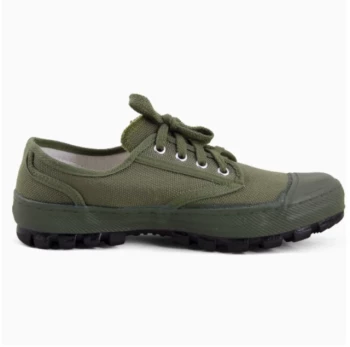
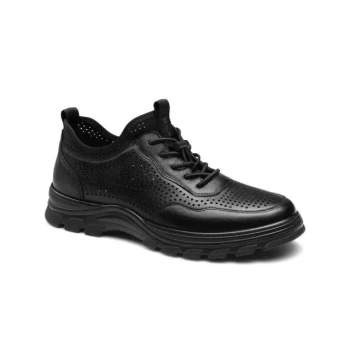
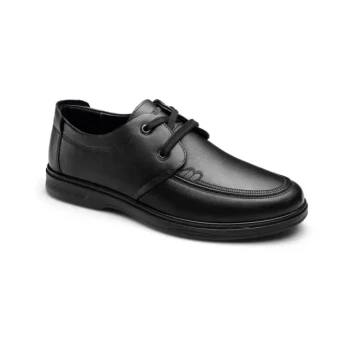
The primary objective of comparing voltage outputs across materials like EVA, rubber, and TPU is to establish the universality and sensitivity of electronic skin sensors. By analyzing the distinct voltage signals generated by these materials, engineers can optimize Convolutional Neural Network (CNN) algorithms. This ensures the intelligent system remains accurate and compatible regardless of the specific footwear used in training or industrial environments.
The core goal is not just measuring voltage, but achieving system robustness. By validating performance across materials with different electron affinities, the sensor system is trained to recognize human activity reliably, independent of the shoe being worn.
The Role of Material Properties in Sensor Design
Accounting for Electron Affinity
Materials like EVA, rubber, and TPU possess different chemical structures. Consequently, they exhibit unique electron affinities.
This means they attract or repel electrons at different rates during contact. The comparison captures how these fundamental properties influence the sensor's raw data.
Evaluating Triboelectric Sensitivity
Because electron affinities differ, each material generates a distinct triboelectric polarity and voltage signal.
Testing across this spectrum allows engineers to evaluate the "electronic skin's" sensitivity. It proves whether the sensor can detect interactions across a wide range of positive and negative charges.
Optimizing Intelligent Recognition Systems
Improving CNN Feature Extraction
The voltage data collected from these comparisons serves as critical training input.
This data helps optimize the feature extraction models within Convolutional Neural Network (CNN) algorithms. The algorithm learns to identify patterns within the distinct signal characteristics of each material.
Ensuring Broad Compatibility
The ultimate success of an intelligent recognition system relies on its versatility.
By training on data from diverse soles, the system becomes compatible with various types of footwear. This improves overall recognition accuracy, whether the user is wearing athletic training shoes or heavy industrial boots.
Understanding the Challenges
The Complexity of Signal Variance
While material variety improves robustness, it also introduces complexity.
If a system is not properly calibrated, the distinct signal characteristics of a material like TPU could be misinterpreted as noise compared to Rubber. The algorithm must be sophisticated enough to distinguish material properties from actual movement data.
The Necessity of Comprehensive Data
A system trained on only one material will likely fail in real-world scenarios.
Omitting a material with a strong triboelectric polarity from the testing phase creates "blind spots" in the CNN model. This leads to a drop in recognition accuracy when users switch footwear.
Making the Right Choice for Your Development
To leverage this data effectively, you must align your testing strategy with your end goals.
- If your primary focus is Algorithm Accuracy: Prioritize feeding your CNN models with voltage datasets from materials with vastly different electron affinities to prevent overfitting.
- If your primary focus is Hardware Reliability: Use these comparative voltage outputs to verify that your electronic skin maintains consistent sensitivity thresholds across all standard shoe types.
By bridging material science with machine learning, this comparison converts raw voltage signals into a universally compatible recognition system.
Summary Table:
| Material Type | Electron Affinity | Signal Role in CNN Optimization |
|---|---|---|
| EVA | Low to Moderate | Establishes baseline sensitivity for lightweight footwear |
| Rubber | High Negative | Provides strong triboelectric polarity for pattern training |
| TPU | Variable | Tests algorithm resilience against high signal variance |
| All Materials | Comparative Data | Ensures universal compatibility and system robustness |
Partner with 3515 for Advanced Footwear Solutions
As a premier large-scale manufacturer serving global distributors and brand owners, 3515 leverages deep material science expertise to deliver high-performance footwear. Our comprehensive production capabilities cover all categories, ensuring your brand stays ahead in an evolving market.
- Flagship Safety & Industrial: Specialized Safety Shoes and heavy-duty work boots engineered for stability and sensor compatibility.
- Tactical & Training: High-performance tactical boots and athletic training shoes designed for rigorous environments.
- Lifestyle & Formal: Versatile sneakers and Dress & Formal shoes that meet diverse bulk requirements.
Whether you are integrating intelligent sensors or seeking reliable bulk manufacturing, 3515 provides the scale and quality you need. Contact us today to discuss your production needs.
References
- Jinjie Xu, Yongai Zhang. Intelligent recognition of human motion using an ingenious electronic skin based on metal fabric and natural triboelectrification. DOI: 10.1007/s40843-023-2758-7
This article is also based on technical information from 3515 Knowledge Base .
Related Products
- Durable Rubber Sole Outdoor Shoes Wholesale & Custom Manufacturing
- Durable Rubber-Soled Utility Shoes for Wholesale & Custom Brand Manufacturing
- Durable Canvas Work Shoes with Rubber Lug Sole | Wholesale Manufacturer
- Wholesale Modern Perforated Leather Derby Shoes with Chunky Sole for Custom Branding
- Wholesale Breathable Perforated Leather Derby Shoes with Modern Comfort Sole
People Also Ask
- What is the function of the sole in outdoor shoes? Find the Perfect Grip and Support
- What role do outdoor shoes and sneakers play in navigating external terrains? Engineered Stability for Every Surface
- How is AI utilized in the design of outdoor and safety footwear? Harnessing Big Data for Market-Driven Shoe Innovation
- Why is durability important when selecting outdoor shoes? A Guide to Safety & Long-Term Value
- What are the key components of outdoor shoes that affect comfort and sturdiness? A Guide to Durable, High-Performance Footwear