The primary function of Personal Protective Equipment (PPE) in high-volatility benzene environments is to serve as the final line of defense against exposure. It acts as a physical barrier designed to isolate the human body from residual hazardous chemicals only after engineering and administrative controls have been implemented. By reducing the probability of direct contact with carcinogenic vapors or liquids, PPE minimizes the risk of developing occupational diseases.
PPE functions not as a replacement for safety systems, but as a critical physical barrier that isolates workers from residual benzene hazards when engineering controls cannot fully eliminate the risk.
The Role of PPE in the Safety Hierarchy
The Final Line of Defense
PPE is fundamentally designed to protect the worker when all other safety measures have failed or are insufficient.
It is deployed only after engineering controls (like ventilation) and administrative controls (like work schedules) are already in place.
Supplementing Engineering Controls
While engineering solutions aim to remove the hazard from the environment, PPE acknowledges that residual risks often remain.
It serves as a vital supplement to these systems, handling "leakage" in the safety protocol such as accidental high-temperature liquid leaks or sudden gas splashes.
Mechanisms of Protection
Physical Isolation
The core mechanism of benzene-specific PPE is physical isolation.
It creates a sealed boundary between the worker and the environment to prevent carcinogenic benzene vapors or liquids from touching the skin or entering the body.
Controlling Exposure Pathways
High-volatility benzene poses risks through both inhalation and skin absorption.
PPE utilizes filtration mechanisms (in respirators) and impermeable materials (in suits and gloves) to block these specific exposure pathways.
Understanding the Limitations
It Does Not Eliminate the Hazard
The most critical trade-off to understand is that PPE does not remove benzene from the workplace.
If the equipment fails or is damaged, the worker is immediately exposed to the full hazard, unlike engineering controls which reduce the hazard itself.
Reliance on Proper Usage
PPE effectiveness is entirely dependent on correct fit, maintenance, and usage by the wearer.
This introduces a "human factor" risk; even high-quality gear fails if there are gaps in the seal or if the user is fatigued.
Implementing Effective Benzene Safety Protocols
To maximize safety, you must align your use of PPE with your specific operational goals.
- If your primary focus is Hazard Elimination: Prioritize engineering controls first, utilizing PPE only to manage residual risks that cannot be designed out of the system.
- If your primary focus is Immediate Worker Safety: Ensure all personnel are equipped with barrier-grade PPE that specifically targets the inhalation and skin absorption pathways relevant to volatile benzene.
True safety in a benzene environment is achieved not by relying solely on the armor of PPE, but by reducing the need for it through robust engineering.
Summary Table:
| Protection Mechanism | Primary Function | Key Components |
|---|---|---|
| Physical Isolation | Creates a sealed boundary between worker and hazard | Chemical suits, impermeable gloves |
| Pathway Control | Blocks inhalation and skin absorption of vapors | Respirators, specialized filters |
| Safety Hierarchy | Serves as the final defense after engineering controls | Redundant safety protocols |
| Risk Mitigation | Minimizes probability of occupational disease | Barrier-grade safety materials |
Secure Your Workforce with 3515 High-Performance Protective Gear
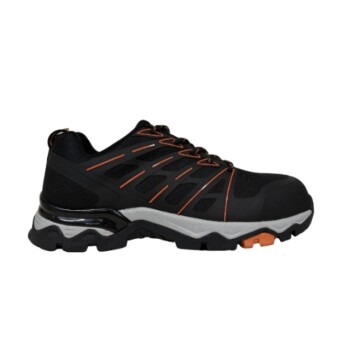
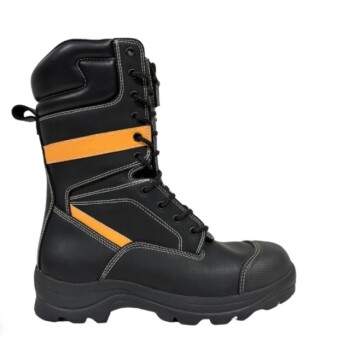
As a large-scale manufacturer serving global distributors and brand owners, 3515 offers comprehensive production capabilities for specialized footwear and protective equipment designed for the toughest environments. Our flagship Safety Shoes series, combined with our extensive portfolio of work boots and tactical footwear, provides the ultimate physical barrier against workplace hazards.
Don't compromise on the final line of defense. Whether you need bulk requirements for industrial safety shoes or specialized protective footwear, we deliver the quality and reliability your brand demands.
Ready to upgrade your safety standards? Contact us today to discuss your bulk production needs!
References
- Cadeo Canh Bao. Health Risk from Exposure to Benzene: Study in Oil Industry Workers. DOI: 10.47616/jamrmhss.v3i3.333
This article is also based on technical information from 3515 Knowledge Base .
Related Products
- Heavy-Duty Waterproof Nubuck Safety Boots Safety Shoes for Bulk Supply
- Advanced KPU Athletic Safety Shoe with Steel Toe Cap Anti-Slip Rotary Lacing System
- Premium Safety Shoes with Rotating Buckle Safety Sneakers
- Premium KPU Athletic Safety Shoes for Wholesale
- Premium KPU Injection Athletic Style Safety Shoes
People Also Ask
- What primary protective functions do professional safety boots provide in urban solid waste recovery and waste picking processes? Discover Dual-Layer Protection.
- How do safety boots reduce cutting hazards? Essential Protection for Your Workforce
- Which organizations develop safety standards for work boots? Ensure Compliance & Worker Safety
- What are the common types of safety boots and their primary uses? A Guide to Industrial Footwear
- Why is ankle and arch support important in safety footwear? Prevent Injury & Fatigue