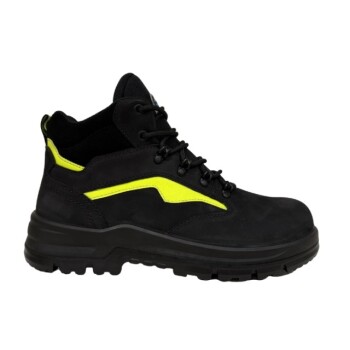
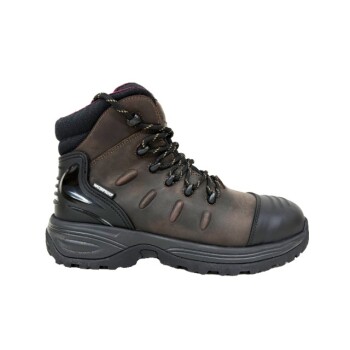
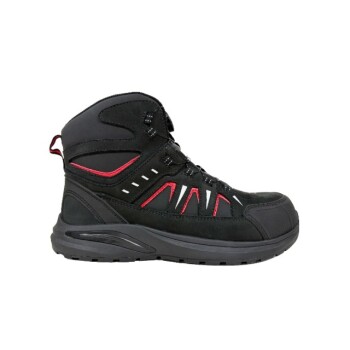
The primary function of industrial safety boots in wet environments is to generate mechanical traction where natural friction is compromised. By utilizing specialized rubber outsoles, these boots significantly increase the friction coefficient between the foot and slippery surfaces, such as those found in meat and fish stalls. This intervention prevents loss of traction while simultaneously employing a sealed structure to block the ingress of contaminated water and sewage.
In traditional market environments, these boots bridge the gap between physical stability and biological safety. They prevent immediate injury from falls while isolating the wearer from hazardous fluids.
The Mechanics of Slip Prevention
To understand why these boots are essential, you must look at how they interact with the ground in low-friction scenarios.
Specialized Rubber Outsoles
Standard footwear often fails in traditional markets because liquids create a lubrication layer that separates the shoe from the floor.
Industrial safety boots combat this using specialized rubber outsoles. These soles are engineered to cut through the liquid film and grip the solid surface beneath.
Increasing Friction
The core objective is to significantly increase friction.
In areas like meat and fish stalls, organic fluids make floors exceptionally slick. The rubber compound acts to restore the traction necessary for walking and working safely.
Preventing Loss of Traction
The direct result of this increased friction is the prevention of slips and falls.
By stabilizing the foot, the boot mitigates the risk of sudden balance loss, which is the leading cause of injury in these wet sectors.
Protection Beyond Stability
While preventing falls is the most visible function, the secondary function of these boots addresses long-term health risks.
The Sealed Physical Structure
Wet environments in markets often contain more than just water; they contain biological waste.
Industrial safety boots feature a sealed physical structure. This design eliminates gaps or porous materials that would allow liquids to seep through.
Barrier Against Contaminants
This seal acts as a critical barrier against contaminated water and sewage.
Without this protection, workers in meat processing or market stalls would face constant dermal exposure to unsanitary fluids, posing significant hygiene risks.
Critical Considerations for Effectiveness
While these boots provide essential protection, it is important to understand the specific scope of their design.
Material Specificity Matters
Not all rubber soles are created equal.
The reference specifically highlights specialized rubber outsoles. Generic rubber boots may provide water resistance but lack the specific friction properties required for oily or organic waste found in food markets.
The Scope of Protection
The sealed structure is designed to handle exposure to fluids like sewage.
However, this barrier relies on the integrity of the boot's physical structure. Any compromise to the seal negates the protection against contamination, regardless of the sole's grip.
Making the Right Choice for Your Environment
When selecting footwear for wet, industrial settings, you must prioritize features based on your specific environmental hazards.
- If your primary focus is Physical Safety: Prioritize boots with specialized rubber outsoles that are explicitly rated to increase friction on wet, slippery floors.
- If your primary focus is Hygiene and Health: Ensure the boot features a fully sealed physical structure to act as an impermeable barrier against sewage and organic contaminants.
The right safety boot transforms a hazardous wet market into a manageable work environment by securing your footing and sealing out biological threats.
Summary Table:
| Feature | Primary Function | Benefit in Wet Environments |
|---|---|---|
| Specialized Rubber Outsoles | Mechanical Traction | Increases friction coefficient on slippery floors |
| Sealed Physical Structure | Biological Barrier | Blocks ingress of contaminated water and sewage |
| Traction Mechanics | Slip Prevention | Mitigates balance loss in meat and fish stalls |
| Impermeable Material | Dermal Protection | Eliminates exposure to organic waste and fluids |
Elevate Your Fleet's Safety with 3515 Professional Footwear
As a premier large-scale manufacturer serving global distributors and brand owners, 3515 delivers high-performance footwear solutions engineered for the toughest industrial conditions. Our flagship Safety Shoes series is specifically designed to provide superior mechanical traction and biological protection in wet, high-risk environments like food markets and processing plants.
Beyond safety boots, our extensive production capabilities include:
- Tactical & Work Boots: Built for durability and extreme stability.
- Outdoor & Training Shoes: Performance-driven designs for active environments.
- Sneakers & Formal Shoes: High-quality bulk manufacturing for diverse market needs.
Partner with 3515 to leverage our comprehensive manufacturing expertise and secure your supply chain with top-tier protective footwear. Contact us today to discuss your bulk requirements!
References
- Aria Gusti, Fitriyani Fitriyani. Safety and health risk assessment of a traditional Indonesian market. DOI: 10.36685/phi.v8i3.604
This article is also based on technical information from 3515 Knowledge Base .
Related Products
- Wholesale Suede Chelsea Safety Boots for Custom & Private Label Manufacturing
- Durable Leather Moc Toe Work Boots for Wholesale & Custom Manufacturing
- Wholesale Premium Waterproof Nubuck Safety Shoes Boots
- Wholesale Durable 6-Inch Work Boots | Custom & Private Label Manufacturer
- Heavy-Duty Waterproof Nubuck Safety Boots Safety Shoes for Bulk Supply
People Also Ask
- Why are chelsea boots considered a versatile style? The Ultimate Wardrobe Foundation
- What makes Chelsea boots a popular choice and how can they be styled? A Guide to Versatile Footwear
- Why are Chelsea boots easy to wear? Slip-On Style & Timeless Versatility
- Why are Chelsea boots so popular? Discover the Secret to Effortless, Timeless Style
- What are the characteristics of Chelsea boots? The Ultimate Guide to Style & Function