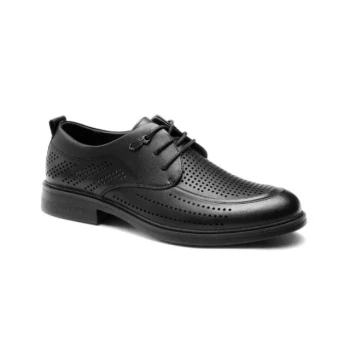
Material Requirements Planning (MRP) serves as the central nervous system for inventory management in dress shoe manufacturing. Its core function is to ensure that every specific raw material—from high-grade leather to rubber outsoles—is available precisely when the production line requires it.
By calculating exact requirements regarding what, how much, and when materials are needed, the MRP system prevents production downtime caused by shortages while enabling the factory to stick to a rigid predetermined schedule.
The MRP system acts as a strategic bridge between inventory and production, guaranteeing supply during demand surges while preventing the financial waste of unnecessary overstocking.
The Mechanics of Material Planning
Precision in Sourcing
The MRP system eliminates guesswork from the procurement process. It calculates the precise requirements for dress shoe production, identifying exactly which components are necessary for a specific run.
This ensures that the "what" and "how much" are always aligned with current manufacturing targets.
Ensuring Continuity
Dress shoe manufacturing requires a seamless flow of materials to maintain efficiency. The MRP system synchronizes raw material availability with the production timeline.
By doing so, it allows the manufacturing process to follow a predetermined schedule without interruption.
Handling Demand Surges
Market interest in specific footwear styles can spike unexpectedly. An effective MRP system safeguards against these fluctuations.
It guarantees product supply during these surges, ensuring that the factory does not stall due to a lack of raw components.
The Role of Netting in Efficiency
Calculating the True Gap
A critical component of the MRP logic is "netting." This calculation determines the actual gap between what you need and what you already have.
It compares total material requirements against current inventory levels and existing open purchase orders.
Preventing Redundancy
Netting is essential for financial efficiency. It filters out redundant inventory requirements to ensure you do not double-order materials.
This prevents unnecessary capital investment in surplus items, such as extra outsoles or leather hides that are not immediately required.
Understanding the Operational Trade-offs
Dependence on Data Accuracy
The output of an MRP system is only as reliable as the data fed into it. If inventory counts are slightly off, or if "open orders" are not updated in real-time, the system may calculate incorrect requirements.
Complexity vs. Agility
While MRP is excellent for structured, predetermined schedules, it can be rigid.
Heavily relying on automated planning requires discipline; distinct changes to shoe designs or materials must be updated in the system immediately to avoid procuring the wrong parts.
Making the Right Choice for Your Goal
To maximize the value of an MRP system in your shoe production facility, focus on the metric that matters most to your current operation.
- If your primary focus is Production Stability: Prioritize the scheduling features to ensure zero downtime during critical demand surges.
- If your primary focus is Cost Control: Lean heavily on the netting calculations to minimize surplus inventory and reduce tied-up capital.
The most effective manufacturing strategy uses MRP not just to buy materials, but to synchronize your entire supply chain with your production rhythm.
Summary Table:
| Feature | Core Function | Benefit to Production |
|---|---|---|
| Sourcing Precision | Calculates exact material quantities | Prevents shortages and aligns with targets |
| Netting Logic | Subtracts existing stock from requirements | Reduces surplus inventory and saves capital |
| Scheduling | Synchronizes supply with timelines | Eliminates production downtime during surges |
| Data Integration | Tracks open orders and stock levels | Ensures a reliable, transparent supply chain |
Partner with 3515 for Efficient, Large-Scale Shoe Manufacturing
As a leading large-scale manufacturer, 3515 leverages advanced production planning to serve global distributors and brand owners. Our comprehensive manufacturing capabilities—anchored by our flagship Safety Shoes series—ensure high-quality output for work boots, tactical gear, outdoor footwear, and sneakers.
We specialize in meeting diverse bulk requirements, including Dress & Formal shoes, by utilizing sophisticated systems that guarantee stability and cost-efficiency. Let us help you scale your footwear business with our proven production expertise.
Contact 3515 Today for Your Bulk Requirements
References
- Chandra Sukma Adhiyasa, Yanatra Budi Pramana. Implementation of Material Requirement Planning (MRP) in Controlling Raw Materials for Shoes Products at PT.XYZ. DOI: 10.36456/tibuana.6.2.7788.119-126
This article is also based on technical information from 3515 Knowledge Base .
Related Products
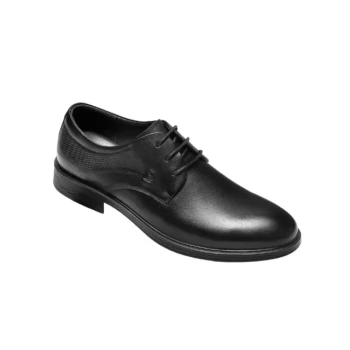
- Classic Leather Derby Dress Shoes Wholesale & Custom Manufacturing
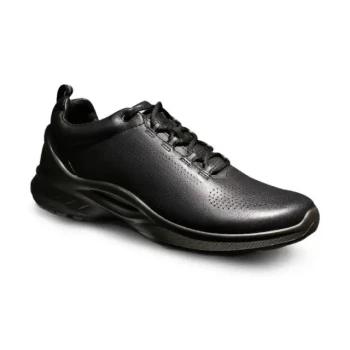
- Wholesale Comfort Dress Shoes with Dial Closure for Custom Manufacturing
- Wholesale Leather Derby Dress Shoes Custom Manufacturer for Brands
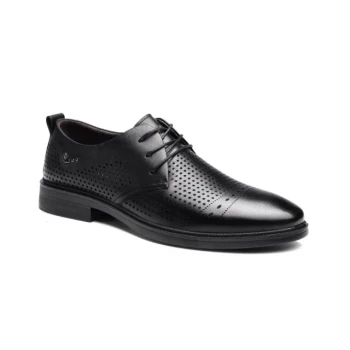
- Wholesale Perforated Comfort Dress Shoes | Custom Derby Shoe Manufacturer
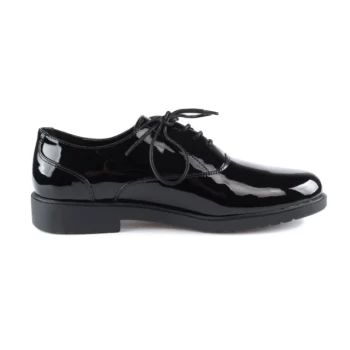
- Wholesale Patent Oxford Dress Shoes | Custom & Bulk Manufacturing
People Also Ask
- How often should leather dress shoes be cleaned and polished? A 3-Tier Care Guide for Longevity
- How can you remove salt stains from leather dress shoes? Save Your Shoes with a Simple Vinegar Solution
- What are the basic steps to clean leather dress shoes? A Guide to Preserving Your Investment
- How should you dry wet leather dress shoes? A Step-by-Step Guide to Save Your Investment
- What historical figure is associated with the Derby shoe? The Earl of Derby's Comfort Revolution