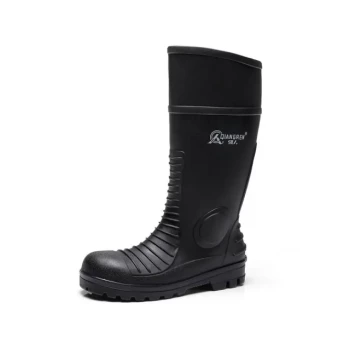
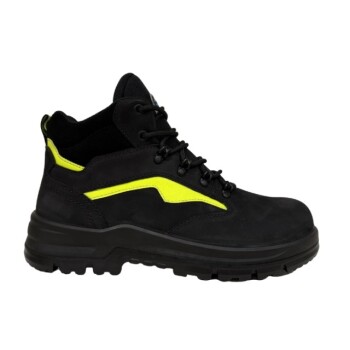
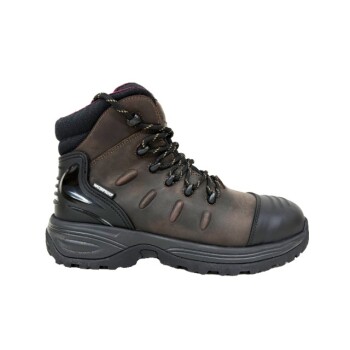
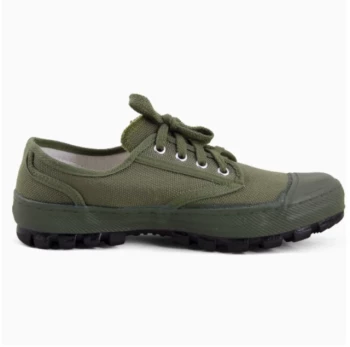
At its core, a working boot is a piece of personal protective equipment (PPE) for your feet. Unlike regular shoes, a work boot is purpose-built with materials and structural features specifically designed to protect you from the unique hazards of a job site, such as impact, compression, and slips.
The fundamental difference between a regular boot and a work boot is its primary function: a work boot is engineered first for safety and durability in a hazardous environment, while a regular boot prioritizes style and casual comfort.
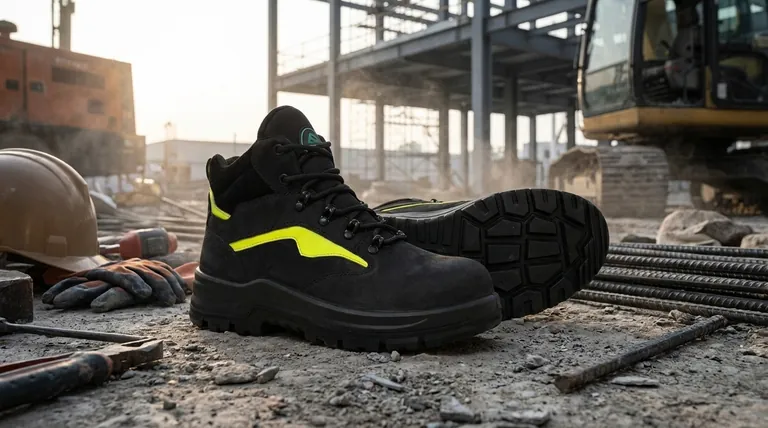
The Anatomy of a True Work Boot
To understand what makes a work boot distinct, you must look at its core components. Each element serves a specific protective purpose, turning the footwear into a critical safety tool.
Protection from Impact and Compression
The most defining feature of many work boots is a reinforced safety toe. This is your primary defense against falling objects or heavy rolling equipment. Common materials include steel, lighter-weight composite materials, or aluminum alloys.
Durability Against the Elements
The upper part of the boot is constructed from materials chosen for longevity and resistance. Full-grain leathers and robust synthetics are used to stand up to abrasion, moisture, and even chemical splashes, lasting far longer than typical footwear.
The Foundation: A Specialized Outsole
The outsole is where the boot meets the ground, and its design is critical. Work boot soles are engineered to be slip-resistant, often with deep treads to maintain grip on wet, oily, or uneven surfaces. The materials used are also made to stand up to impact and resist punctures.
Additional Safety Ratings
Beyond the basics, work boots often carry specific safety ratings for specialized tasks. These can include Electrical Hazard (EH) protection to guard against shock, static-dissipative properties, or built-in plates to prevent punctures from nails and other sharp objects.
Understanding the Trade-offs
While essential for safety, the features that define a work boot also introduce practical considerations that set them apart from everyday footwear.
Weight and Flexibility
Protective features, especially steel toes and thick outsoles, add significant weight. This robust construction often results in a stiffer boot with less flexibility than a sneaker or casual shoe.
The Break-in Period
The tough, durable materials required for a work boot mean they almost always have a break-in period. They may feel stiff and uncomfortable initially, molding to your foot only after several days or weeks of wear.
Matching the Boot to the Hazard
A work boot is not a one-size-fits-all solution. A boot designed for a logger has different features than one for an electrician. Choosing the wrong type can mean being unprotected from the specific risks of your job.
Choosing the Right Boot for Your Environment
Selecting the correct work boot requires you to match its features directly to the hazards you face.
- If your primary focus is protection from falling objects: Look for boots with a certified safety toe (steel, composite, or alloy) that meets industry standards.
- If your primary focus is preventing slips and falls: Prioritize a boot with a clearly advertised slip-resistant outsole designed for the surfaces you encounter.
- If your primary focus is working around chemicals or moisture: Choose a boot with a sealed, waterproof construction and durable upper materials that resist degradation.
- If your primary focus is working near live circuits: Ensure your boot has an explicit Electrical Hazard (EH) rating to provide a secondary source of protection.
Investing in the correct work boot is a direct investment in your personal safety and professional capability.
Summary Table:
| Feature | Purpose | Key Characteristics |
|---|---|---|
| Safety Toe | Protects from impact/compression | Steel, composite, or alloy reinforcement |
| Durable Upper | Resists abrasion, moisture, chemicals | Full-grain leather, robust synthetics |
| Specialized Outsole | Prevents slips and provides grip | Deep treads, slip-resistant, puncture-resistant materials |
| Safety Ratings (e.g., EH) | Protects against specific hazards | Electrical Hazard, static-dissipative, puncture-proof plates |
Need a reliable supply of certified work boots?
As a large-scale manufacturer, 3515 produces a comprehensive range of safety footwear for distributors, brand owners, and bulk clients. Our production capabilities encompass all types of safety shoes and boots, ensuring durability, compliance with safety standards, and competitive pricing for your market.
Contact 3515 today to discuss your footwear needs and secure your supply of high-quality PPE.
Visual Guide

Related Products
- Durable Leather Work Boots for Wholesale & Custom Manufacturing
- Durable Leather Work Boots for Wholesale & Custom OEM Manufacturing
- Durable Leather Work Boots Wholesale Manufacturer & Custom Factory
- Durable Leather Moc Toe Work Boots for Wholesale & Custom Manufacturing
- Wholesale Leather Work Boots with Customizable Wedge Sole for Brands
People Also Ask
- What is the difference between full-grain and top-grain leather? Premium Material Guide for Boot Manufacturers
- What are the common workplace hazards that can be mitigated with the right work boots? Protect Your Workforce
- What are the common foot issues workers face due to uncomfortable work boots? Prevent Pain & Deformities
- What are the advantages of leather versus synthetic work boots? A Guide to Choosing the Right Material
- What are the key components of modern work boots? Engineered for Ultimate Durability and Comfort