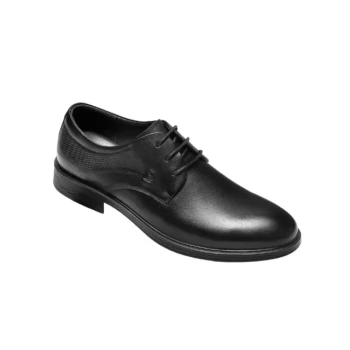
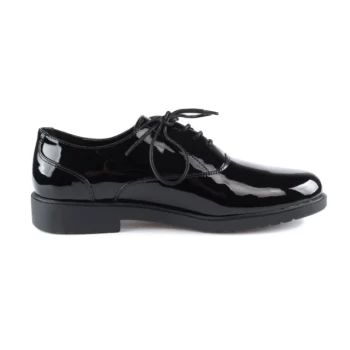
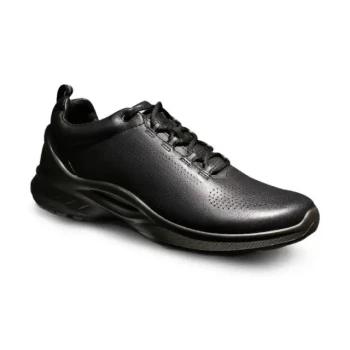
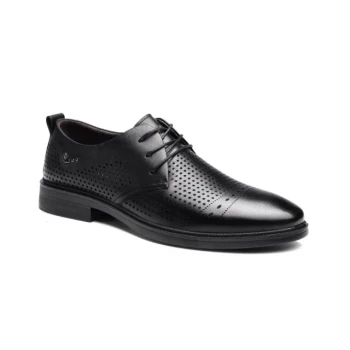
In essence, a dress shoe is footwear designed for smart casual or more formal events. It stands in contrast to athletic or casual shoes and is the standard for professional environments, parties, special occasions, and even as daily footwear for many individuals who value a polished appearance.
The core principle of a dress shoe is not just formality, but a combination of structured design, proper fit, and specific style. Understanding how these elements work together is the key to selecting the right shoe for any occasion.

What Defines a Dress Shoe?
The Fundamental Purpose
A dress shoe's primary role is to complement and elevate an outfit for settings that require a degree of formality. This can range from business meetings and weddings to upscale social gatherings.
Unlike sneakers, which are built for athletic performance and comfort, dress shoes are constructed to provide a sleek, structured silhouette that aligns with tailored clothing.
Common Styles
The world of dress shoes includes several iconic styles, each with a different level of formality.
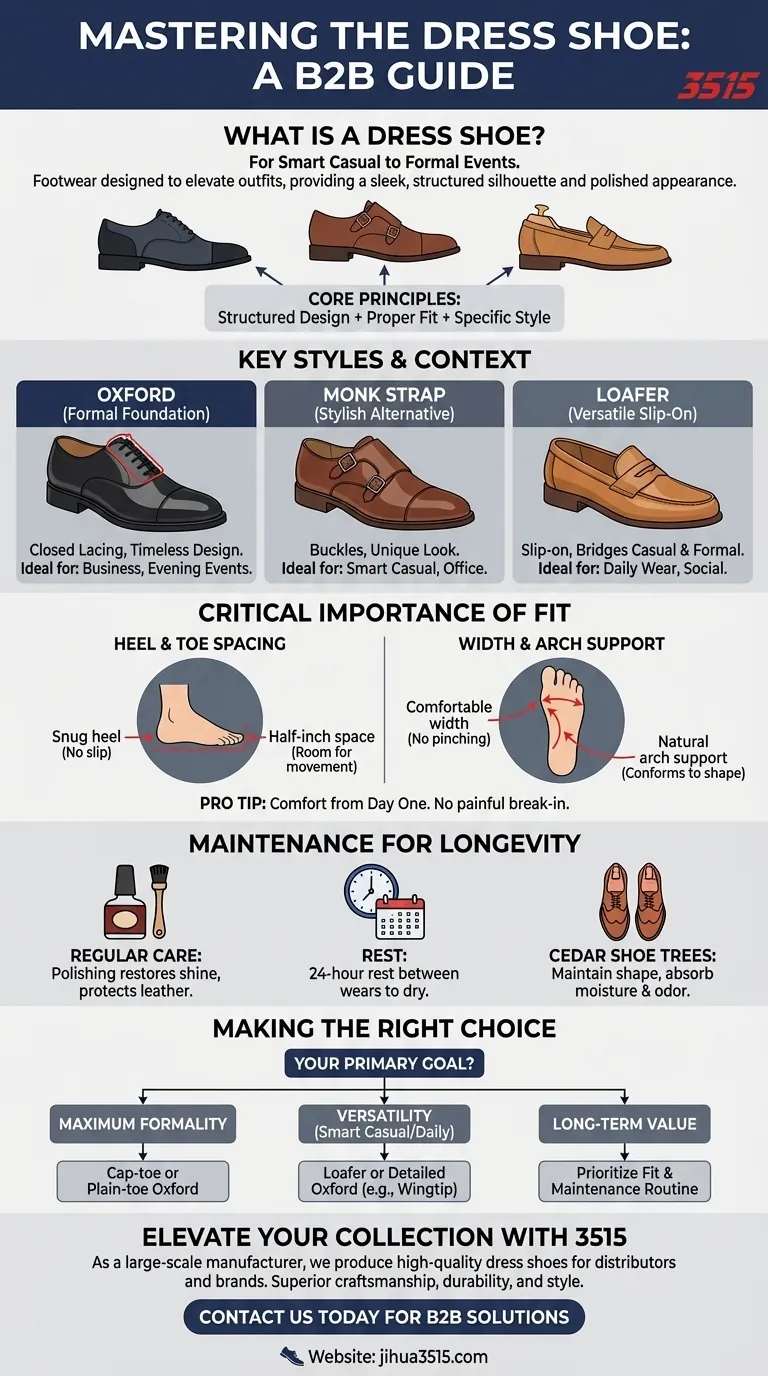
The most recognized styles include the Oxford, known for its closed lacing system, the Monk Strap, which uses buckles instead of laces, and the Loafer, a slip-on shoe that often bridges the gap between casual and formal.
Key Styles and Their Context
The Oxford: A Formal Foundation
Oxfords are often considered the cornerstone of a formal wardrobe. They are distinguished by their closed lacing system, where the eyelet tabs are stitched underneath the front part of the shoe, creating a clean and elegant look.
First popularized in the 1800s, their timeless design makes them exceptionally versatile. Common variations like the cap toe or plain toe Oxford are suitable for the most formal business and evening events.
Other Essential Silhouettes
While the Oxford is a formal standard, other styles like Monk Straps and Loafers offer different levels of formality.
The choice of style should be guided by both the occasion and your personal taste, allowing you to build a versatile footwear collection.
The Critical Importance of a Proper Fit
Heel and Toe Spacing
A well-fitting dress shoe should feel snug around your heel without any slipping as you walk.
Crucially, there should be about a half-inch of space between your longest toe and the end of the shoe. This prevents your toes from getting cramped while providing enough room for natural foot movement.
Width and Arch Support
The widest part of the shoe must comfortably accommodate your foot without pinching or excessive pressure.
Furthermore, a quality dress shoe should support your arch naturally. The shoe should conform to your foot's shape, not force your foot into an unnatural position.
Comfort from Day One
A common misconception is that dress shoes require a long, painful "break-in" period. A properly sized and well-made shoe should feel comfortable almost immediately. While the leather will soften over time, it should not cause pain from the start.
Understanding the Trade-offs: Maintenance for Longevity
The Need for Regular Care
To maintain their appearance and protect the leather, dress shoes require regular polishing. This simple act restores shine, nourishes the material, and helps repel minor water damage.
The Importance of Rest
Leather is a natural material that absorbs moisture from your feet throughout the day. It is critical to allow shoes a full day to dry between wears. Wearing the same pair every day will cause them to break down prematurely.
Using Cedar Shoe Trees
When you are not wearing your dress shoes, they should be stored with cedar shoe trees. These devices are essential for two reasons: they help the shoe maintain its proper shape, and the cedar wood naturally absorbs residual moisture and odor.
Making the Right Choice for Your Goal
Selecting the right footwear is about matching the shoe's characteristics to your specific needs.
- If your primary focus is maximum formality for business or special events: A classic cap-toe or plain-toe Oxford is the most appropriate and timeless choice.
- If your primary focus is versatility for smart casual or daily office wear: A Loafer or a more detailed Oxford, like a wingtip, offers a perfect balance of polish and comfort.
- If your primary focus is long-term value and durability: Prioritize a perfect fit from the start and commit to a maintenance routine of polishing, rest, and using shoe trees.
Ultimately, the right dress shoe not only completes your outfit but also provides the support and confidence needed for any occasion.
Summary Table:
| Key Aspect | Description |
|---|---|
| Primary Purpose | Complement and elevate outfits for smart casual or formal settings. |
| Common Styles | Oxford, Monk Strap, Loafer. |
| Ideal Fit | Snug heel, half-inch toe space, proper width and arch support. |
| Essential Care | Regular polishing, 24-hour rest between wears, use of cedar shoe trees. |
Ready to Elevate Your Footwear Collection?
As a large-scale manufacturer, 3515 produces a comprehensive range of high-quality dress shoes for distributors, brand owners, and bulk clients. Whether you need classic Oxfords for formal events or versatile Loafers for smart-casual wear, our production capabilities ensure superior craftsmanship, durability, and style.
Contact us today to discuss your footwear needs and discover how we can help you build a successful and stylish product line.
Visual Guide
Related Products
- Wholesale Comfort Dress Shoes with Dial Closure for Custom Manufacturing
- Wholesale Leather Derby Dress Shoes Custom Manufacturer for Brands
- Classic Leather Derby Dress Shoes Wholesale & Custom Manufacturing
- Wholesale Patent Oxford Dress Shoes | Custom & Bulk Manufacturing
- Wholesale Perforated Comfort Dress Shoes | Custom Derby Shoe Manufacturer
People Also Ask
- How do comfort dress shoes differ from traditional dress shoes? Discover the Ergonomic Advantage
- Which dress shoe styles are suitable for wearing with jeans? A Guide to Smart-Casual Style
- What features make dress shoes suitable for standing all day? Achieve All-Day Comfort with Anatomical Design
- What are the benefits of resoling dress shoes? Extend Life & Boost Comfort
- What recent trends have influenced traditional dress shoe designs? The Shift to Modern Comfort