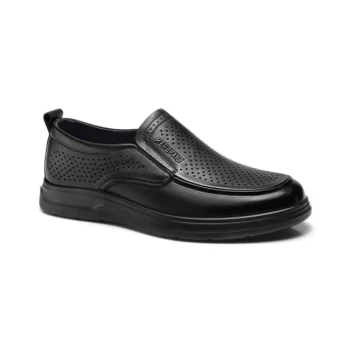
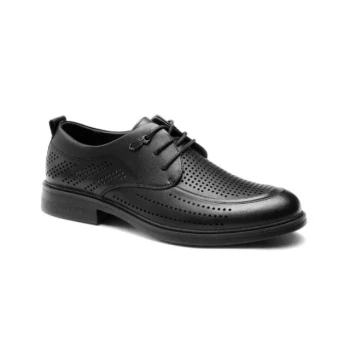
When choosing men's non-slip shoes, reviewers consistently focus on a core set of features that go beyond simple grip. They highlight a combination of excellent traction, all-day comfort, long-term durability, and practical design elements like the ease of slipping the shoes on. These shoes are often praised for their versatility, performing effectively as work shoes on a variety of hazardous surfaces.
The most effective non-slip shoe is not just about a grippy sole; it’s a complete system designed for safety, endurance, and comfort. Understanding how these core features work together is the key to selecting the right footwear for your specific needs.
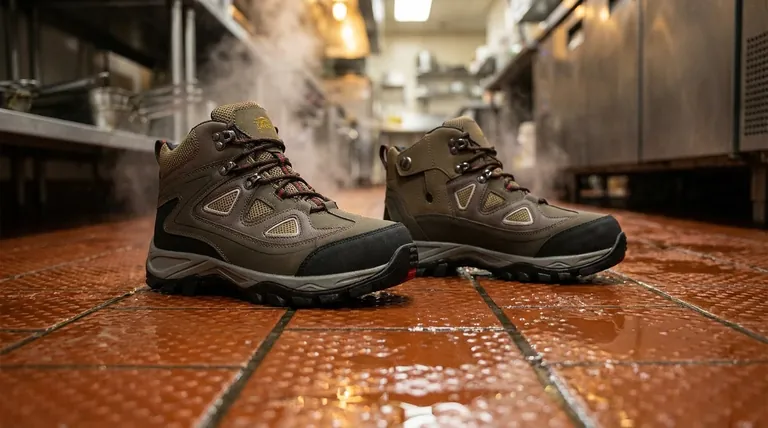
The Foundation of Safety: Superior Traction
The primary purpose of a non-slip shoe is to prevent falls. However, "good traction" is more nuanced than it appears and depends entirely on the environment where the shoe will be used.
What "Good Traction" Really Means
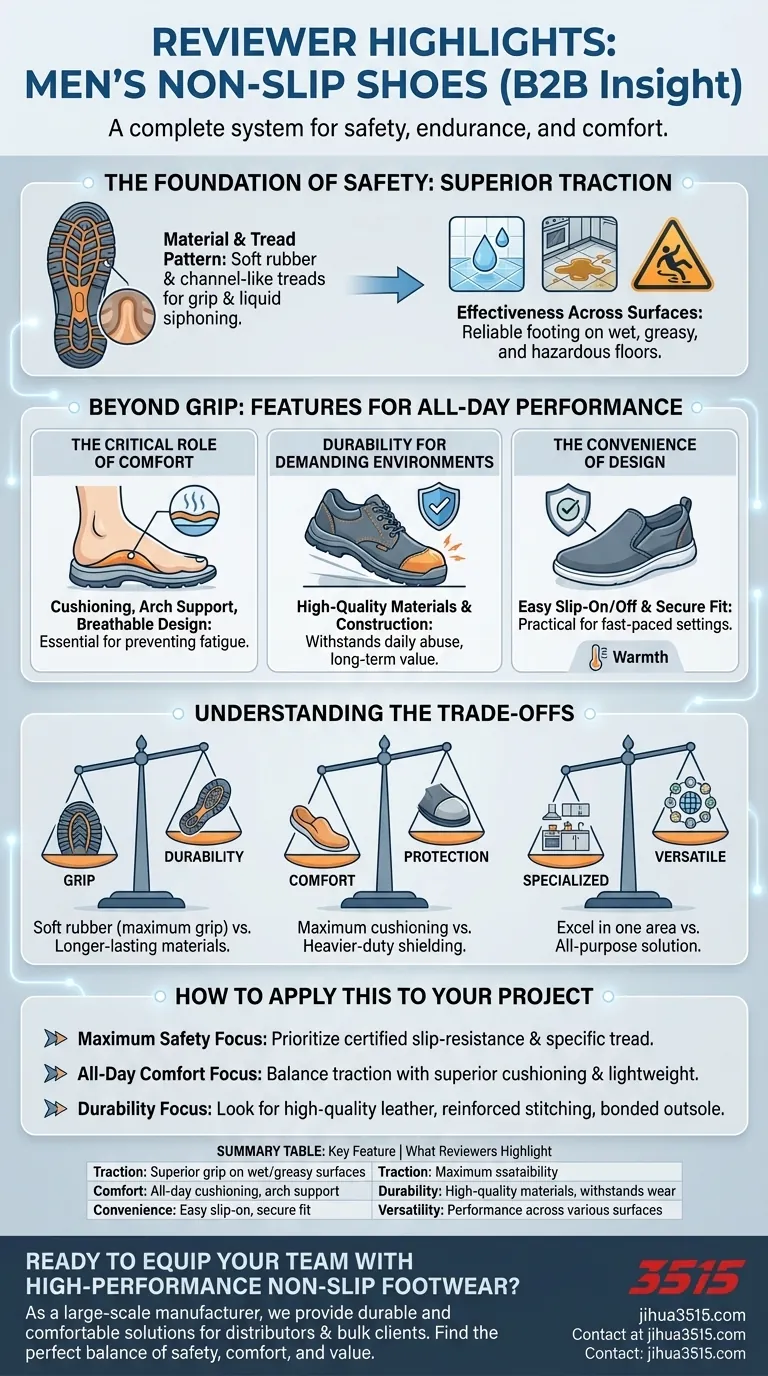
Effective traction is a result of both the outsole's material and its tread pattern. Softer rubber compounds often provide a better grip, while complex, channel-like treads are designed to siphon water and other liquids away from the point of contact.
Effectiveness Across Surfaces
Reviewers value shoes that are proven to be effective on a range of slippery surfaces, not just one. A top-tier non-slip shoe should provide reliable footing on wet tile, greasy kitchen floors, and other common workplace hazards.
Beyond Grip: Features for All-Day Performance
While traction is non-negotiable, it's the other features that determine if a shoe is truly practical for daily wear, especially during long work shifts.
The Critical Role of Comfort
For professionals who spend hours on their feet, comfort is just as important as safety. Reviewers frequently mention features like cushioning, arch support, and a breathable design as essential for preventing fatigue and foot pain.
Durability for Demanding Environments
A work shoe is an investment, and durability is a measure of its value. Positive reviews often point to high-quality materials and sturdy construction that can withstand the daily abuse of a demanding work environment without falling apart.
The Convenience of Design
Features that make a shoe easier to use are highly valued. For many, the ability to slip a shoe on and off quickly without sacrificing a secure fit is a significant practical advantage in a fast-paced setting.
Environmental Considerations like Warmth
For those working in colder environments, such as walk-in freezers or outdoors, warmth becomes a key feature. Insulated non-slip shoes provide the necessary traction while also protecting the wearer from the cold.
Understanding the Trade-offs
No single shoe is perfect for every situation. Choosing the right one often involves balancing competing features and understanding the inherent compromises.
Grip vs. Durability
Often, the softest rubber compounds that provide the most aggressive grip can also wear down the fastest. You may need to choose between maximum, short-term traction and a longer-lasting but slightly less grippy sole.
Comfort vs. Protection
Shoes with maximum cushioning and comfort features may sometimes offer less rigidity or protection than a heavier-duty work boot. You must assess whether your primary need is for comfort during long standing periods or for protection from impacts.
Specialized vs. Versatile Designs
A shoe designed specifically for a greasy kitchen floor might not have the ideal tread pattern for outdoor, icy conditions. Highly specialized shoes excel in one area but may be less effective as an all-purpose solution.
How to Apply This to Your Project
Your specific work environment and daily tasks should guide your final decision.
- If your primary focus is maximum safety in a hazardous workplace: Prioritize a shoe with a certified slip-resistance rating and a tread pattern specifically designed for the liquids you encounter.
- If your primary focus is all-day comfort during long shifts: Seek a shoe that balances good traction with superior cushioning, arch support, and a lightweight construction.
- If your primary focus is durability and long-term value: Look for shoes made from high-quality leather or synthetic materials with reinforced stitching and a solidly bonded outsole.
Selecting the right non-slip shoe is a crucial investment in your daily safety and performance.
Summary Table:
| Key Feature | What Reviewers Highlight |
|---|---|
| Traction | Superior grip on wet, greasy surfaces; effective tread patterns. |
| Comfort | All-day cushioning, arch support, and breathability for long shifts. |
| Durability | High-quality materials and construction that withstands daily wear. |
| Convenience | Easy slip-on design and secure fit for fast-paced settings. |
| Versatility | Performance across various hazardous surfaces and environments. |
Ready to equip your team with high-performance non-slip footwear? As a large-scale manufacturer, 3515 produces a comprehensive range of durable and comfortable non-slip shoes and boots for distributors, brand owners, and bulk clients. We can help you find the perfect balance of safety, comfort, and value for your specific needs. Contact us today to discuss your project and request a quote!
Visual Guide
Related Products
- Advanced KPU Athletic Safety Shoe with Steel Toe Cap Anti-Slip Rotary Lacing System
- Durable High-Traction Canvas Sneakers Wholesale & Custom Manufacturing
- Premium Suede Sport Safety Shoes for Wholesale & Bulk Orders
- Men's Breathable Perforated Loafers Wholesale & OEM Manufacturing
- Durable Goodyear Welt Leather Work Boots for Wholesale & Private Label
People Also Ask
- What are the key differences between steel toe and composite toe caps? Choose the Right Safety for Your Job
- What impact do steel toe caps have on toe skin health? Prevent Friction and Pressure in Your Safety Shoes
- What are the primary protective functions of safety shoes with steel toes in the automotive repair industry?
- What type of safety shoe is recommended for workers exposed to heavy machinery? Steel Toe Boots for Ultimate Protection
- How does defining specific friction interface models in FEA assist in predicting safety shoe toe cap failure modes?