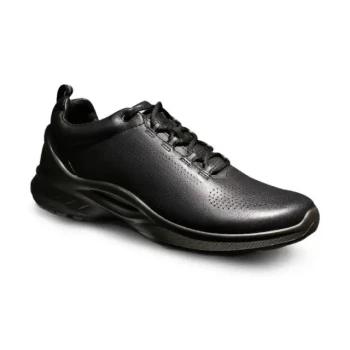
The most critical factors for choosing walking footwear are the terrain you will be on and the level of support your activity requires. For smooth, even ground like city pavement, a lighter walking shoe provides necessary flexibility and comfort. For uneven, rugged trails or longer distances, a more rigid walking boot is essential for providing the ankle support and protection needed to prevent injury.
The core principle is not to find the "best" footwear, but to accurately match the tool to the task. The right choice balances support and protection against weight and flexibility, ensuring safety on rugged trails and preventing unnecessary fatigue in urban environments.
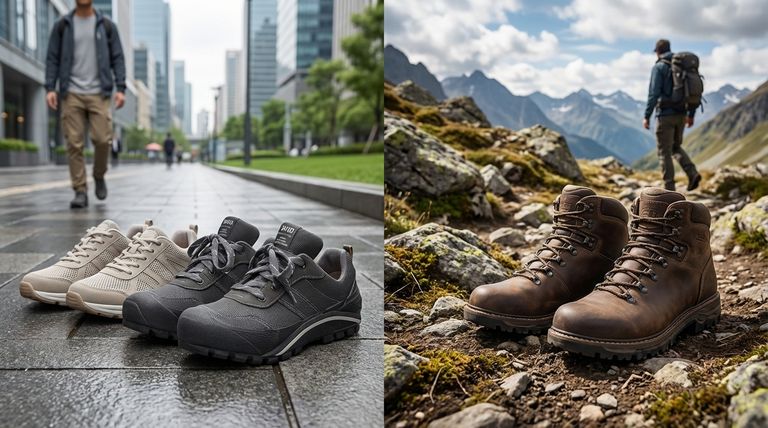
The Fundamental Choice: Shoes vs. Boots
Your first decision point is determining whether your needs align with a walking shoe or a more substantial walking boot. Each is engineered for a different purpose.
When to Choose a Walking Shoe
A walking shoe is your ideal choice for even, predictable surfaces. This includes city sidewalks, park paths, and well-maintained trails.
Their lower cut offers greater ankle mobility and flexibility, which is comfortable for a natural walking gait on flat ground.
Because they are lighter and less obtrusive, they reduce fatigue over time during less demanding walks.
When to Choose a Walking Boot
A walking boot is necessary when the ground becomes uneven, rocky, or unpredictable. This applies to mountain hiking, trekking through forests, or working outdoors.
Its higher construction is the key feature, providing critical support to the ankle and significantly reducing the risk of twists and sprains on unstable terrain.
Boots also offer superior protection from rocks and roots and retain more warmth, making them suitable for colder or more challenging conditions.
Key Features to Analyze for Your Location
Beyond the basic shoe-versus-boot decision, the specific features of the footwear must align with your intended environment.
Ankle Support (The High vs. Low Cut Debate)
The height of your footwear is a direct response to the terrain. A low cut (shoe) is fine for stable surfaces. A high cut (boot) acts as a brace, stabilizing your ankle against the sideways forces you encounter on rocky or slanted ground.
Outsole and Traction
The tread on the bottom of the footwear is its connection to the ground. Rugged, deep lugs are designed to grip soft earth, mud, and loose rock. A flatter, more durable tread is better suited for the high-friction environment of pavement.
Material and Protection
Consider the conditions you'll face. Waterproof materials are essential for wet climates or stream crossings to keep your feet dry and prevent blisters. For work environments, features like a safety toe may be required for protection against impacts.
Weight and Flexibility
These two factors are directly related to energy expenditure. Lighter, more flexible footwear requires less energy to lift with each step, making it ideal for fast-paced walks on flat ground. Heavier, stiffer footwear provides more support but requires more effort.
Understanding the Trade-offs
Choosing the wrong footwear for your environment creates distinct problems. Being aware of these trade-offs is key to making an informed decision.
The Cost of Over-Protection
Wearing a heavy-duty hiking boot for a city walk is inefficient. The unnecessary weight will cause premature fatigue, and the rigid sole can feel clunky and uncomfortable on flat pavement. You are carrying protection you do not need.
The Risk of Under-Protection
Wearing a lightweight walking shoe on a rugged mountain trail is a significant safety risk. The lack of ankle support dramatically increases the chance of a sprain, and the softer sole offers poor protection from sharp rocks, leading to bruised and sore feet.
Making the Right Choice for Your Environment
Your selection should be a direct reflection of your primary activity and location.
- If your primary focus is urban and pavement walking: Choose a lightweight walking shoe with a durable, relatively flat outsole designed for high-friction surfaces.
- If your primary focus is occasional hiking on maintained trails: A sturdy walking shoe or a lightweight, flexible walking boot will provide the necessary traction without excessive weight.
- If your primary focus is rugged hiking, multi-day treks, or outdoor work: Prioritize a walking boot with a high cut for ankle support, deep lugs for traction, and robust materials for protection.
By matching your footwear's features to your environment's demands, you ensure every step is safe, comfortable, and efficient.
Summary Table:
| Terrain Type | Recommended Footwear | Key Features |
|---|---|---|
| Urban/Pavement | Walking Shoe | Lightweight, flexible, flat outsole |
| Maintained Trails | Walking Shoe/Light Boot | Good traction, moderate support |
| Rugged Trails/Work | Walking Boot | High ankle support, deep lugs, robust protection |
As a large-scale manufacturer, 3515 produces a comprehensive range of footwear for distributors, brand owners, and bulk clients. Our production capabilities encompass all types of shoes and boots, from lightweight urban walking shoes to heavy-duty hiking boots. We can help you source the perfect footwear for your target market and location-specific needs.
Contact us today to discuss your requirements and leverage our manufacturing expertise!
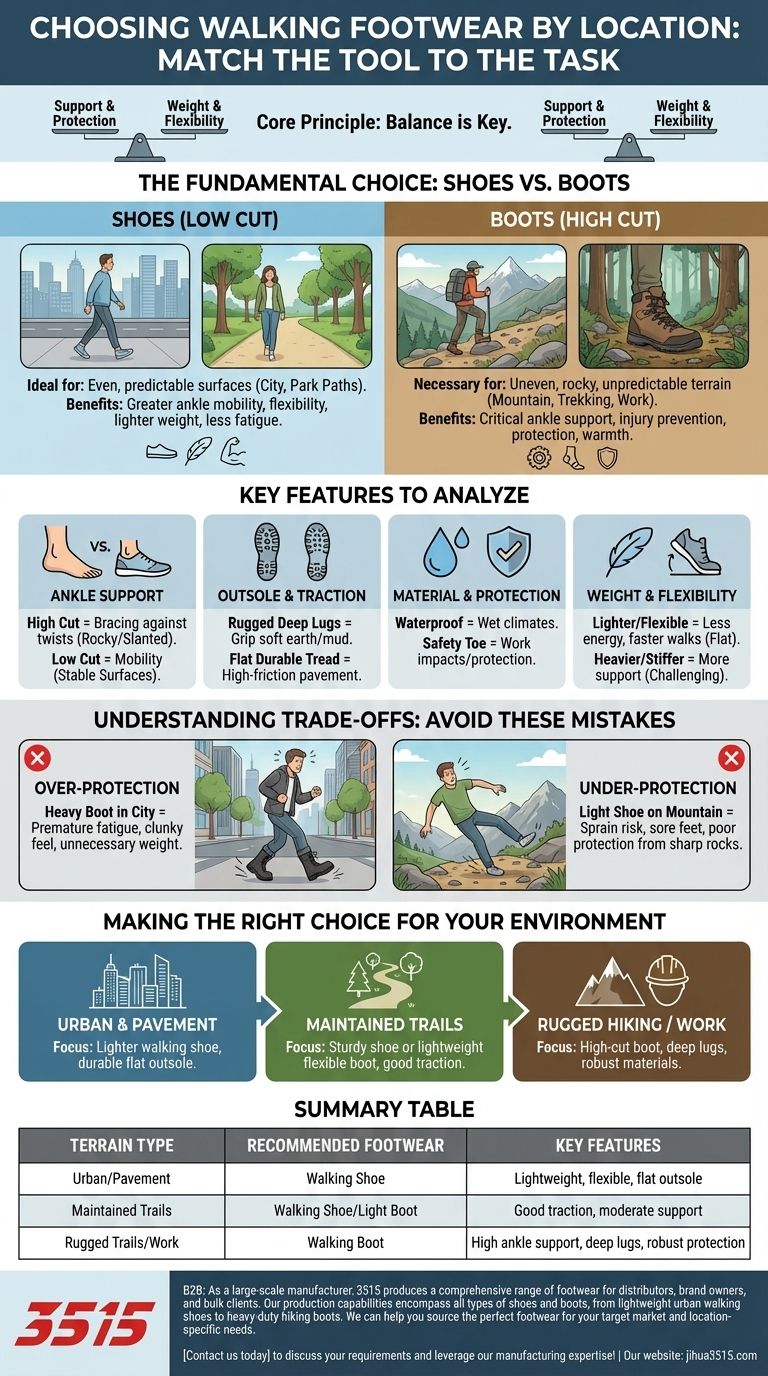
Visual Guide
Related Products
- Durable Rubber Sole Outdoor Shoes Wholesale & Custom Manufacturing
- Wholesale Durable Camouflage Canvas Shoes with High-Traction Cleated Rubber Sole
- Premium Suede Sport Safety Shoes for Wholesale & Bulk Orders
- Wholesale Comfortable Business Casual Shoes Custom Manufacturing
- Premium Lightweight Safety Shoes for Wholesale & Bulk Orders
People Also Ask
- What is the function of the sole in outdoor shoes? Find the Perfect Grip and Support
- What role do outdoor shoes and sneakers play in navigating external terrains? Engineered Stability for Every Surface
- How is AI utilized in the design of outdoor and safety footwear? Harnessing Big Data for Market-Driven Shoe Innovation
- Why is durability important when selecting outdoor shoes? A Guide to Safety & Long-Term Value
- What are the key components of outdoor shoes that affect comfort and sturdiness? A Guide to Durable, High-Performance Footwear