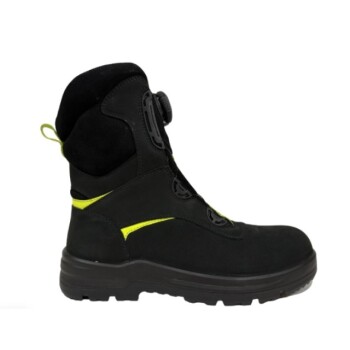
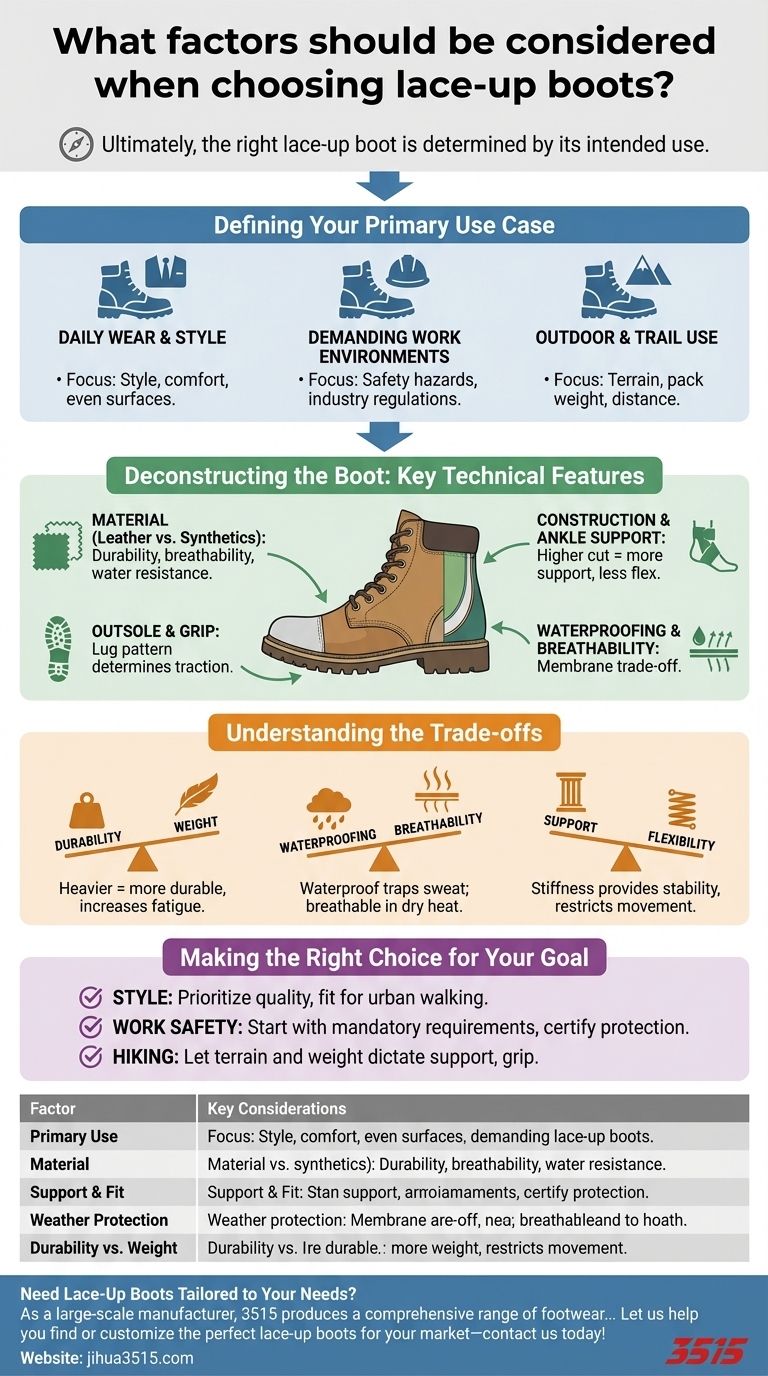
Ultimately, the right lace-up boot is determined by its intended use. The most important factors to consider are the environment you'll be in, the materials used in the boot's construction, the level of support you need, and the specific features required for your activity, from safety toe caps to waterproofing.
The search for the perfect boot isn't about finding a single "best" option. It's about a clear-eyed assessment of your primary need, which then dictates the necessary features and construction. Function must always precede form.
Defining Your Primary Use Case
Before you can evaluate a boot's features, you must first define its job. The ideal boot for a construction site is fundamentally different from one meant for a mountain trail or city street.
For Daily Wear and Style
Style, material, and color are paramount for everyday use. The primary goal is to find a boot that complements your wardrobe and is comfortable for casual walking on even surfaces like pavement.
For Demanding Work Environments
Function is non-negotiable here. Your choice must be guided by the specific hazards of your workplace, such as the risk of heavy impacts, electrical currents, or extreme temperatures. Always consult your industry's safety regulations to determine the required certifications and features, like reinforced toe caps.
For Outdoor and Trail Use
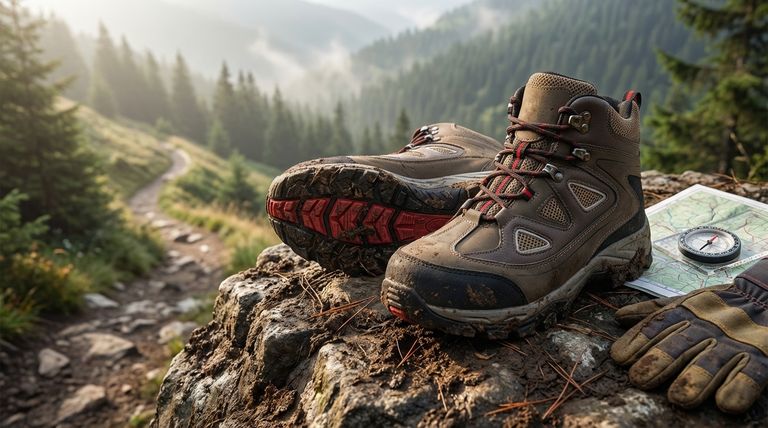
The terrain and conditions are your guide. Factors like your typical hiking distance, the weight of your pack, and your personal injury history will determine the best choice. Uneven ground and heavy loads demand more support, while groomed trails may allow for a lighter, more flexible option.
Deconstructing the Boot: Key Technical Features
Once you know the boot's purpose, you can analyze its components to see if they meet your requirements.
Material (Leather vs. Synthetics)
The material dictates durability, breathability, and water resistance. Full-grain leather is famously durable and can mold to your foot, while modern synthetics often offer superior breathability and a lighter weight right out of the box.
Construction and Ankle Support
The height of the boot is a critical factor. Higher-cut boots offer more ankle support, which is vital for preventing twists on uneven terrain and providing stability when carrying weight. However, this comes at the cost of flexibility and added weight.
Outsole and Grip
The outsole, or the bottom of the boot, determines your connection to the ground. An aggressive, deep lug pattern is essential for grip on soft or technical terrain like mud and rock, while a flatter sole may be more comfortable for hard, even surfaces.
Waterproofing and Breathability
For wet conditions, a waterproof membrane is essential. However, it's important to understand that there is often a trade-off between waterproofing and breathability. A highly waterproof boot can trap sweat, which can be a problem in warmer weather.
Understanding the Trade-offs
Choosing a boot is an exercise in balancing competing characteristics. There is no single boot that excels at everything.
Durability vs. Weight
Heavier, more robust materials like thick leather provide maximum durability and protection. However, that weight adds up over a long day, increasing fatigue. Lighter boots are more nimble but may wear out faster under heavy use.
Waterproofing vs. Breathability
A fully waterproof boot is excellent for keeping external moisture out, but it can struggle to let internal moisture (sweat) escape. In hot, dry climates, a more breathable, non-waterproof boot might actually keep your feet drier and more comfortable.
Support vs. Flexibility
A stiff, high-ankled boot provides crucial support for carrying heavy loads or navigating rocky trails. That same stiffness, however, can feel restrictive and cumbersome for fast-paced movement on flat, predictable ground where flexibility is more valuable.
Making the Right Choice for Your Goal
Filter your options through the lens of your primary activity to make a clear, confident decision.
- If your primary focus is style and daily comfort: Prioritize high-quality materials and a comfortable fit for walking on predictable urban surfaces.
- If your primary focus is professional safety: Start with your industry's mandatory safety requirements and choose a boot certified to protect against your specific workplace hazards.
- If your primary focus is hiking and outdoor performance: Let the terrain and your pack weight dictate your need for ankle support, grip, and overall durability.
By aligning the boot's features with your specific purpose, you make an investment in performance, comfort, and longevity.
Summary Table:
| Factor | Key Considerations |
|---|---|
| Primary Use | Daily wear, work safety, or outdoor performance |
| Material | Leather (durability) vs. synthetics (lightweight/breathable) |
| Support & Fit | Ankle height, outsole grip, and construction type |
| Weather Protection | Waterproofing vs. breathability trade-offs |
| Durability vs. Weight | Balance based on activity demands |
Need Lace-Up Boots Tailored to Your Needs?
As a large-scale manufacturer, 3515 produces a comprehensive range of footwear for distributors, brand owners, and bulk clients. Our production capabilities encompass all types of shoes and boots, ensuring durability, safety, and comfort for every use case. Let us help you find or customize the perfect lace-up boots for your market—contact us today to discuss your requirements!
Visual Guide
Related Products
- Wholesale Classic Leather Lace-Up Ankle Boots for Brand Manufacturing
- Durable Goodyear Welt Leather Work Boots for Wholesale & Private Label
- Premium Wholesale Tactical Style Safety Shoes Boots with Quick Lacing
- Wholesale Lightweight Tactical Boots with Dial Closure OEM & Bulk Orders
- Wholesale Training Shoes with Dial Lacing System Custom OEM Manufacturing
People Also Ask
- How are oils used to waterproof leather boots? A Guide to Deep Conditioning & Protection
- Why is regular maintenance necessary for the performance of leather boots? Boost Durability & Brand Reputation
- Why might it be beneficial to pre-heat the boots before applying wax? Achieve Deeper, Longer-Lasting Protection
- How can leather boots maintain their water resistance? A Guide to Lasting Protection
- What is the biggest enemy of leather boots? Protect Your Investment from Water Damage