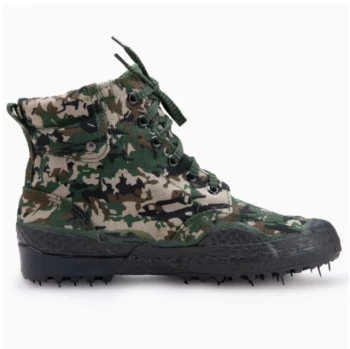
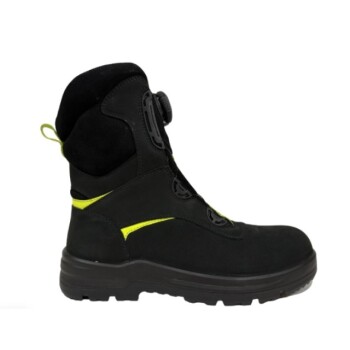
To put it simply, men's hunting and camo boots are primarily engineered for challenging outdoor conditions, specifically cold weather, wet environments, and rugged terrain. However, their robust construction also makes them highly suitable for various demanding work environments, including construction and industrial sites.
The core principle is that the features ensuring durability, protection, and comfort in the wild—such as waterproofing, insulation, and ankle support—are directly transferable to demanding professional and industrial settings.
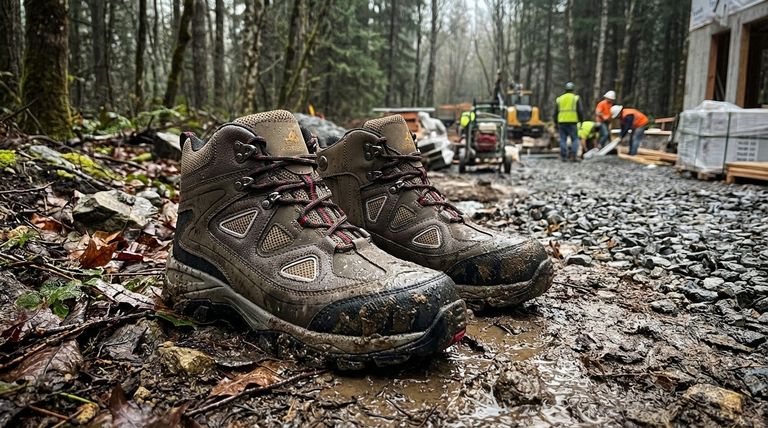
The Core Design Pillars of Hunting Boots
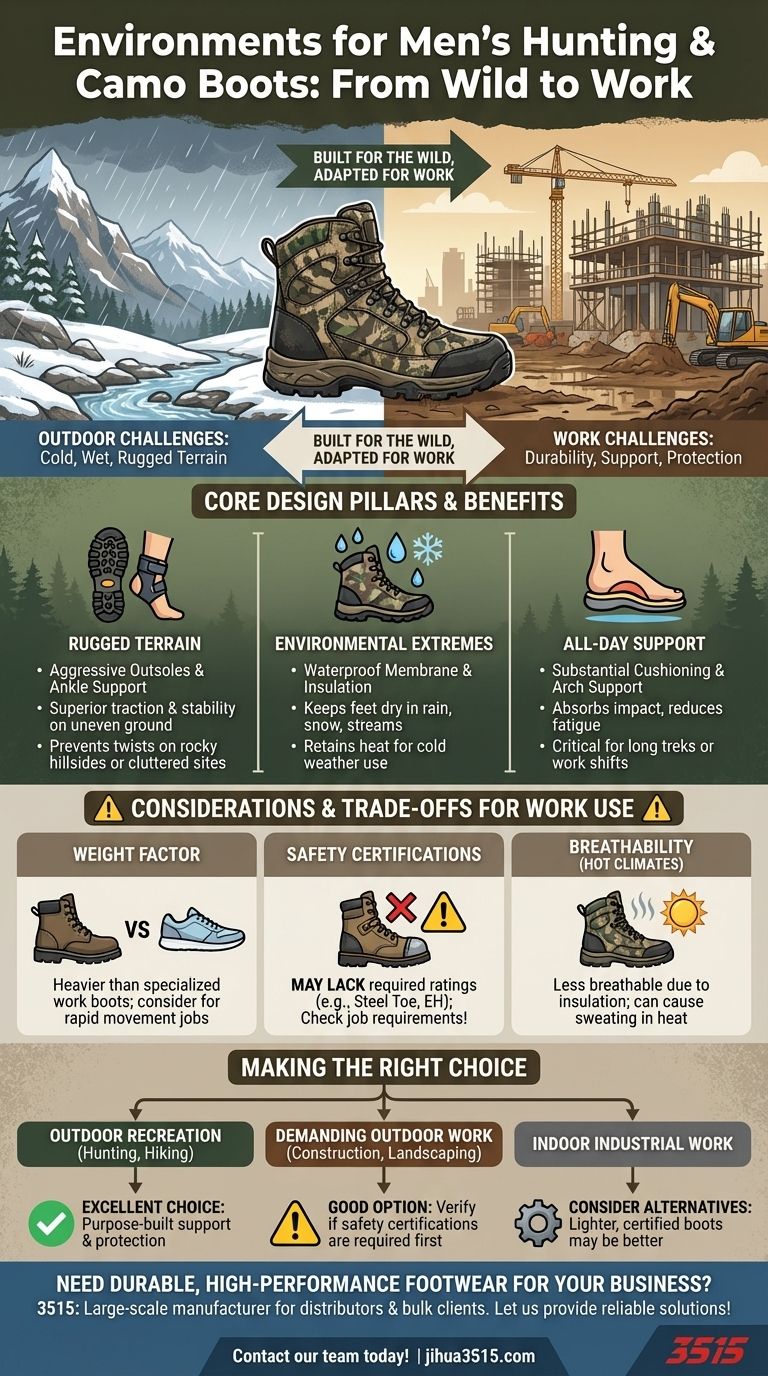
To understand where these boots excel, we must first look at the fundamental problems they are designed to solve. Their suitability for any environment stems from a few key design pillars.
Built for Rugged Terrain
The primary function of a hunting boot is to navigate unpredictable, uneven ground safely.
This is achieved through aggressive outsoles with deep lugs for superior traction on mud, rock, and loose soil.
They also feature stiff construction and strong ankle support to prevent twists and provide stability, a feature just as valuable on a rocky hillside as it is on a cluttered construction site.
Engineered for Environmental Extremes
Hunting often involves exposure to harsh weather for extended periods.
Most quality hunting boots incorporate a waterproof membrane to keep feet dry in rain, snow, or when crossing streams.
Many models also include insulation designed to retain heat, making them ideal for cold-weather use, whether you're stationary in a deer stand or working outdoors in the winter.
Prioritizing All-Day Support
Long treks or long work shifts place significant stress on your feet and joints.
These boots are built with substantial cushioning and strong arch support to absorb impact and reduce fatigue. This is critical for comfort over many hours of walking or standing on hard surfaces.
Beyond the Hunt: Adapting to Work Environments
The same features that make these boots reliable in the wilderness also make them effective tools in various professional settings.
Construction and Industrial Sites
The durability and protection offered by hunting boots are a natural fit for construction and outdoor industrial work. Their ability to handle mud, water, and rough surfaces provides a stable and safe platform.
Manufacturing and Outdoor Work
For jobs that require being on your feet all day, the comfort and support systems built into hunting boots can significantly reduce foot fatigue and improve overall endurance.
Understanding the Trade-offs
While versatile, hunting boots are not a universal solution. It is critical to understand their limitations before using them outside of their primary design context.
The Weight Factor
Because of their rugged construction, insulation, and support features, many hunting boots can be heavier than specialized work boots. This might be a consideration for jobs requiring constant, rapid movement.
Lack of Specific Safety Certifications
This is the most critical point. Many industrial and construction jobs legally require footwear with specific safety ratings, such as a steel toe or electrical hazard (EH) protection. Most standard hunting boots do not have these certifications.
Breathability in Hot Climates
A boot designed to keep you warm and dry in the cold will naturally be less breathable. In hot, dry environments, they can lead to excessive sweating and discomfort.
Making the Right Choice for Your Goal
To select the right footwear, you must match the boot's features to your specific environmental demands.
- If your primary focus is outdoor recreation (hunting, hiking): These boots are purpose-built for this and represent an ideal choice for support and protection in challenging terrain and weather.
- If your primary focus is demanding outdoor work (construction, landscaping): They are an excellent option for durability and comfort, but you must first verify if your job requires specific safety certifications like a steel toe.
- If your primary focus is indoor industrial work: The support is beneficial, but you may be better served by a lighter, certified safety boot designed for breathability on concrete floors.
Ultimately, understanding a boot's core design allows you to leverage its strengths across any environment that demands them.
Summary Table:
| Environment | Key Boot Features | Suitability |
|---|---|---|
| Rugged Outdoor Terrain | Aggressive outsoles, ankle support | Excellent |
| Cold/Wet Weather | Waterproof membrane, insulation | Excellent |
| Construction & Industrial | Durability, all-day support | Good (Check for required safety certifications) |
| Hot/Dry Climates | Less breathable due to insulation | Poor |
Need durable, high-performance footwear for your business or outdoor pursuits?
As a large-scale manufacturer, 3515 produces a comprehensive range of footwear for distributors, brand owners, and bulk clients. Our production capabilities encompass all types of shoes and boots, including rugged styles built with the same principles of durability, support, and weather resistance highlighted in this article.
Let us provide the reliable footwear solutions your customers need. Contact our team today to discuss your requirements and explore our catalog!
Visual Guide
Related Products
- High-Traction Suede Tactical Boots Wholesale & Custom Manufacturing
- Wholesale Lightweight Tactical Boots Custom Manufacturer for Desert & Combat Use
- Durable Leather Tactical Boots Wholesale & Custom Manufacturing for Brands
- Wholesale Leather Ankle Boots with Lug Soles for Custom Brand Manufacturing
- Wholesale Waterproof Tactical Boots Custom Suede & High-Traction Soles
People Also Ask
- Why is sequential analysis utilized to evaluate tactical boots? Master Dynamic Boot Development and Ergonomic Performance
- How does the material of tactical boots affect their performance? Choose the Right Material for Your Mission
- How do tactical boots differ from regular boots? Performance, Durability & Design Explained
- How do military uniforms and tactical boots impact the prediction of thermal risk? Essential Safety Insights
- What are the benefits of integrating FES and sEMG into tactical boots? Safety, Reliability & Field-Ready Performance