In short, formal and casual shoes are defined by distinct color palettes. Formal footwear adheres to a conservative range of dark, traditional colors like black, medium-to-dark brown, oxblood, and occasionally navy blue. Casual shoes, in contrast, embrace a much wider and more expressive spectrum, including vibrant shades like reds and blues as well as neutral tones.
The core principle is not just the color itself, but how that color interacts with the shoe's material and design. Formality is signaled by dark, polished leather, while casualness is expressed through a broader variety of colors, textures, and materials.
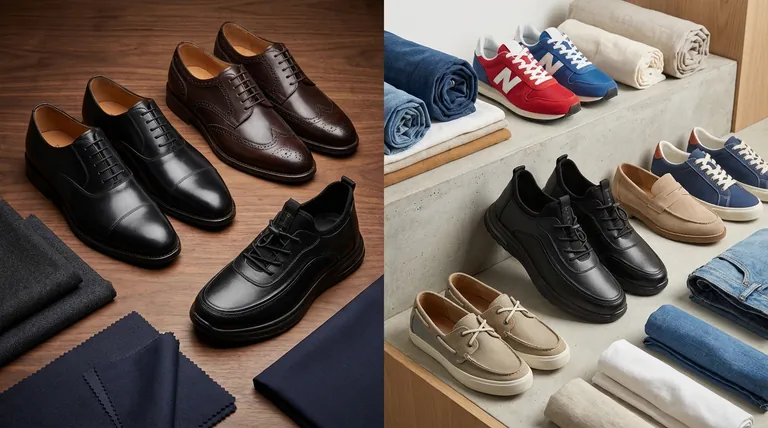
The Foundation of Formality: Why Dark Colors Dominate
The conventions for formal shoe colors are rooted in centuries of tradition, where subtlety and professionalism were paramount. Dark, understated colors convey seriousness and respect for the occasion.
The Unquestionable Standard: Black
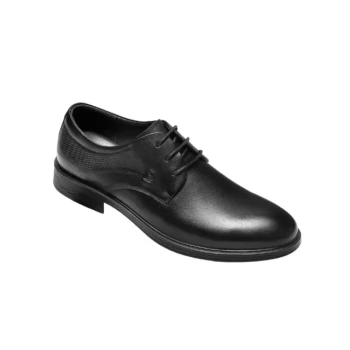
Black is the pinnacle of footwear formality. It is the default and often required choice for black-tie events, conservative business environments, and any situation demanding the highest level of decorum.
Its universal acceptance means a polished black leather shoe, like an oxford, is never an incorrect choice in a formal setting.
The Versatile Alternatives: Brown and Oxblood
Medium-to-dark brown and oxblood (a deep, brownish-red) are the workhorses of business professional attire. They offer a touch more personality than black while remaining firmly within the bounds of formality.
A dark brown shoe pairs exceptionally well with navy and grey suits, while oxblood provides a sophisticated and classic look. Lighter shades of brown trend progressively more casual.
The Spectrum of Casual: Color as Expression
Casual footwear is less about adhering to strict rules and more about personal style and context. This freedom allows for a near-infinite range of color choices.
Beyond the Basics
Vibrant colors like red, green, blue, and yellow are common in casual shoes. From sneakers to boat shoes, these brighter hues are used to complement an outfit or serve as a statement piece.
The Role of Neutral Casuals
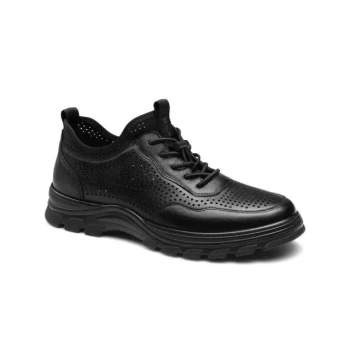
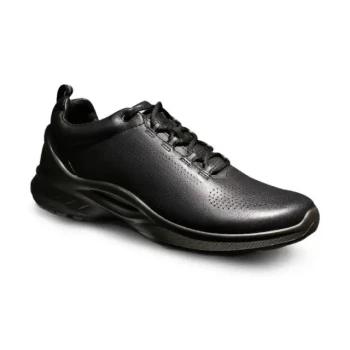
Casual shoes also frequently appear in black, brown, and navy. A pair of black sneakers or navy suede boots is fundamentally casual despite sharing a color with formal shoes.
In these cases, the shoe's design, materials (like canvas or suede), and overall silhouette clearly define its casual nature.
Understanding the Trade-offs: The Crucial Role of Material
Color alone does not determine a shoe's formality. The material it is made from has an equally important, if not greater, impact on where it falls on the formal-to-casual spectrum.
Leather vs. Suede vs. Fabric
A shoe's material instantly signals its intent. Smooth, polished leather is inherently formal.
Conversely, materials with more texture, like suede or nubuck, are inherently more casual. Even in a dark color like navy, a suede shoe is better suited for smart-casual settings than a corporate boardroom.
Finally, materials like canvas or mesh are explicitly casual, regardless of their color.
Sheen and Finish Matter
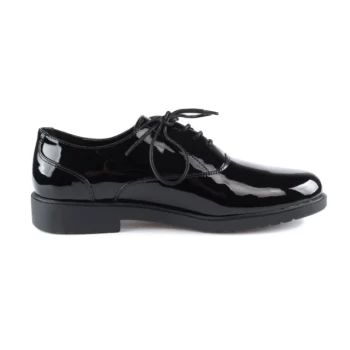
The finish of the material is another key indicator. A high-gloss patent leather is reserved for the most formal events.
A standard polished leather is the business default. A matte or oiled finish, even on a leather shoe, reduces the formality and lends a more rugged or relaxed feel.
Making the Right Choice for Your Occasion
Use the occasion as your guide to select the appropriate combination of color and material.
- If your primary focus is maximum formality (black-tie, court appearances): Your only choice is a polished black leather shoe.
- If your primary focus is standard business professional (corporate office): Stick to black, dark brown, or oxblood in smooth leather.
- If your primary focus is smart casual (a modern office or nice dinner): This is where you can introduce lighter browns, navy, and textured materials like suede.
- If your primary focus is everyday casual wear: The choice is entirely about personal expression; any color or material that fits your outfit is appropriate.
Ultimately, understanding these principles empowers you to choose footwear with confidence for any setting.
Summary Table:
| Shoe Type | Typical Colors | Key Materials | Best For |
|---|---|---|---|
| Formal | Black, Dark Brown, Oxblood, Navy Blue | Polished Leather | Black-Tie, Corporate Offices |
| Casual | Reds, Blues, Greens, Neutrals, Any Color | Suede, Canvas, Fabric, Textured Leather | Everyday Wear, Smart-Casual Outings |
Need the Perfect Shoe for Your Brand or Retail Needs?
As a large-scale manufacturer, 3515 produces a comprehensive range of footwear for distributors, brand owners, and bulk clients. Whether you require classic black leather oxfords for formal collections or vibrant casual sneakers, our production capabilities encompass all types of shoes and boots.
Contact our team today to discuss your manufacturing requirements and discover how we can deliver quality, variety, and scale to your business.
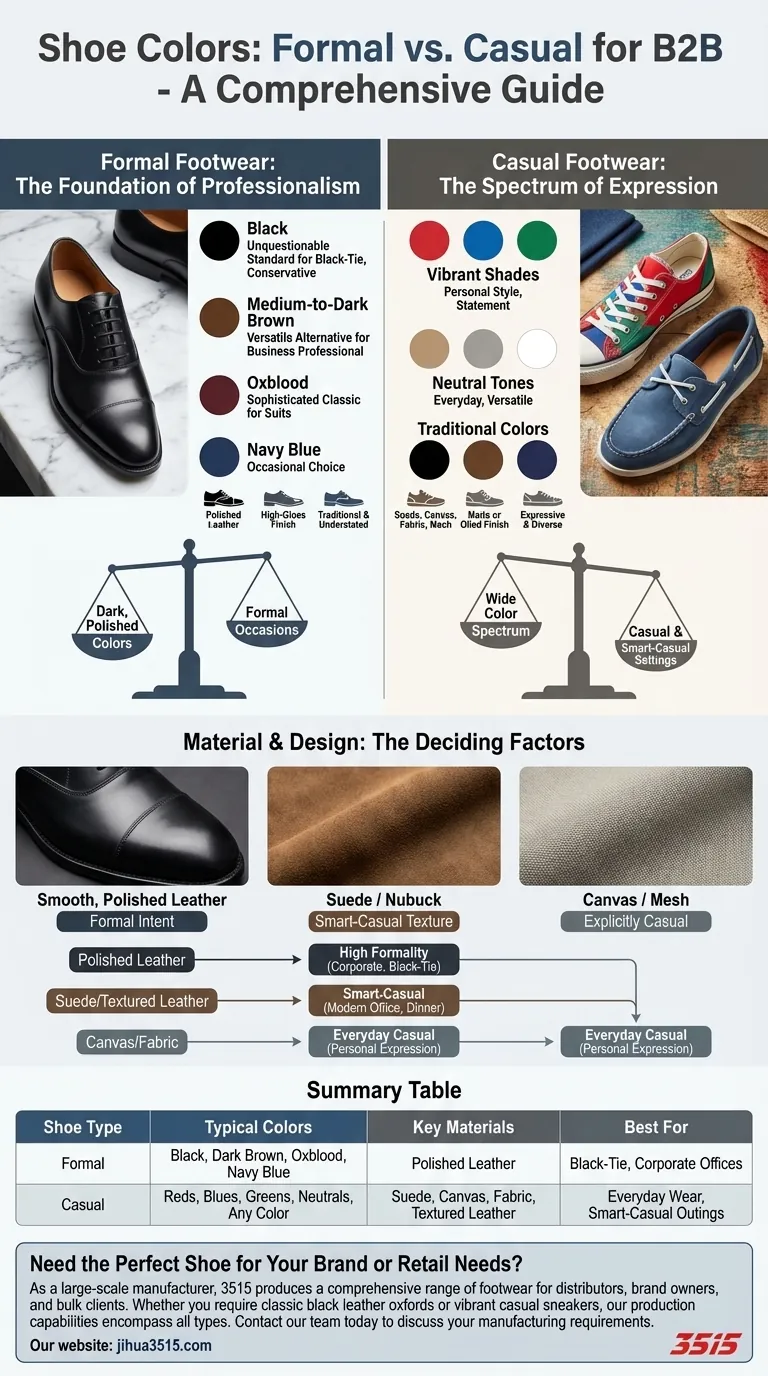
Visual Guide
Related Products
- Wholesale Comfortable Business Casual Shoes Custom Manufacturing
- Dial Closure Leather Business Casual Shoes for Wholesale & Private Label
- Wholesale Leather Business Casual Shoes with Dial Closure - Manufacturer of Comfort Dress Sneakers
- Wholesale Leather Derby Dress Shoes Custom Manufacturer for Brands
- Wholesale Leather Derby Shoes Manufacturer | Customizable Business & Dress Footwear
People Also Ask
- What are the key characteristics of business casual shoes? Achieve Polished Versatility for Your Wardrobe
- Which types of shoes should be avoided with business casual attire? Maintain a Polished Professional Image
- What should be considered when selecting shoes for a casual business setting? Achieve the Perfect Balance of Style and Comfort
- What is the recommended approach to trying on business casual shoes? Ensure a Perfect Fit for Your Workday
- What are some types of business casual shoes? Build a Versatile & Professional Footwear Wardrobe