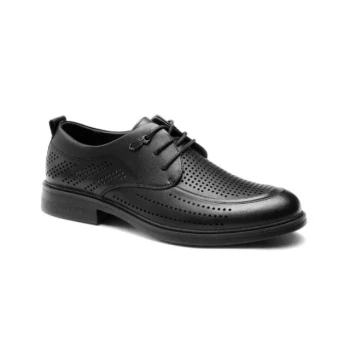
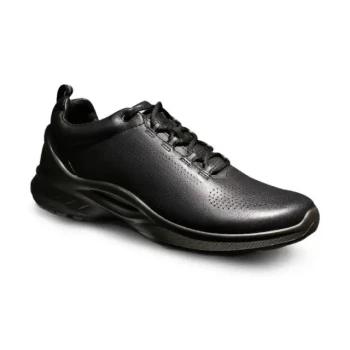
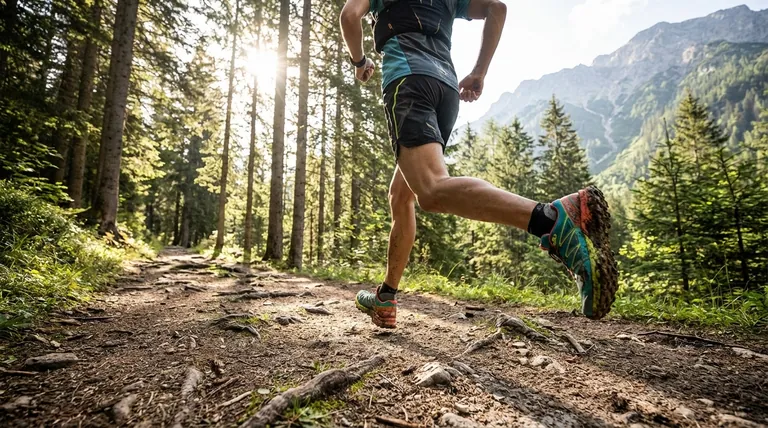
To understand the purpose of trail runners, think of them as the precise intersection between a running shoe and a hiking boot. They are specifically engineered for moving quickly on natural surfaces. Their primary function is to provide the lightweight agility of a sneaker while incorporating the enhanced grip and durability necessary for off-road terrain, making them ideal for trail running, day hikes, and specific types of long-distance trekking.
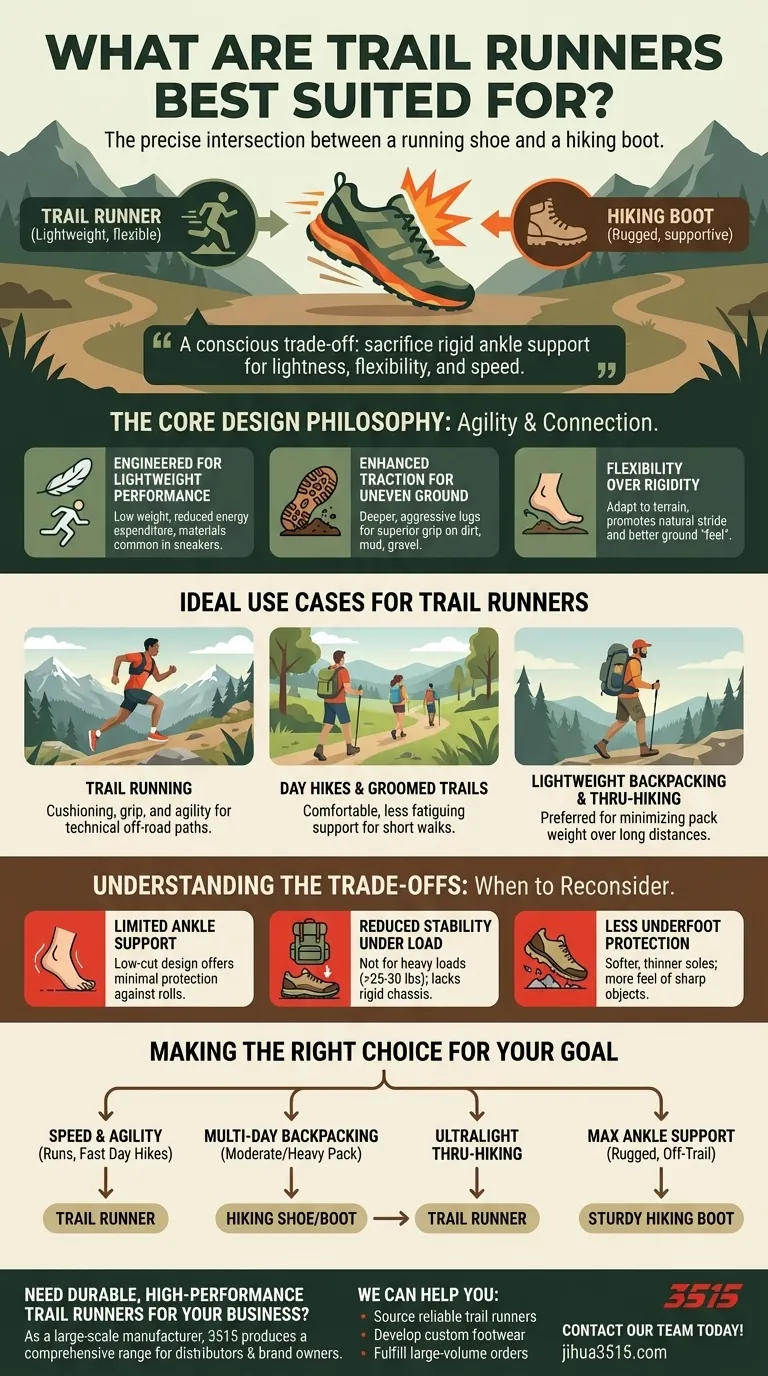
The core decision to use a trail runner is a conscious trade-off. You are choosing to sacrifice the rigid ankle support and maximum protection of a traditional hiking boot in exchange for a significant gain in lightness, flexibility, and speed.
The Core Design Philosophy: Agility and Connection
Trail runners are built around a different philosophy than traditional hiking footwear. The goal isn't to armor the foot against the trail, but to allow it to move quickly and naturally while providing just enough protection and grip.
Engineered for Lightweight Performance
A trail runner’s most noticeable feature is its low weight. By using materials common in athletic sneakers, they dramatically reduce the energy you expend with every step, which compounds significantly over miles of running or hiking.
Enhanced Traction for Uneven Ground
Unlike road running shoes with flat outsoles, trail runners feature deeper, more aggressive lugs. This specialized tread is designed to bite into soft dirt, mud, and gravel, providing superior grip on unpredictable surfaces.
Flexibility Over Rigidity
Where hiking boots are often stiff to provide a stable platform, trail runners are flexible. This allows your foot to adapt and react to the terrain, promoting a more natural stride and a better "feel" for the ground beneath you.
Ideal Use Cases for Trail Runners
While versatile, trail runners truly excel in specific scenarios where their unique attributes provide a clear advantage.
Trail Running
This is the activity for which they are explicitly designed. They provide the necessary blend of cushioning, grip, and lightweight construction to allow for running on technical and varied off-road paths.
Day Hikes and Groomed Trails
For most short hikes or walks on well-maintained trails, a heavy hiking boot is often unnecessary. Trail runners offer more than enough support and traction while being far more comfortable and less fatiguing.
Lightweight Backpacking and Thru-Hiking
For hikers who meticulously minimize their pack weight, trail runners have become the standard. When you are not carrying a heavy load, the need for a rigid, supportive boot diminishes, and the energy-saving benefits of lightweight footwear become paramount over long distances.
Understanding the Trade-offs: When to Reconsider
The lightweight design of trail runners comes with inherent compromises. Understanding these limitations is critical to making a safe and effective choice.
Limited Ankle Support
The single biggest difference from a hiking boot is the low-cut design, which offers minimal protection against ankle rolls. If you have a history of ankle instability or are navigating highly technical, rocky terrain, a boot may be a wiser choice.
Reduced Stability Under Load
Trail runners are not designed to manage heavy loads. Their flexible soles can lead to foot fatigue and instability if you are carrying a pack weighing more than 25-30 pounds, as the shoe lacks the rigid chassis needed to support the extra weight.
Less Underfoot Protection
While many models include a rock plate, the soles are generally softer and thinner than those of a hiking boot. You will feel more of the sharp rocks and roots underfoot, and they offer less protection from direct impacts.
Making the Right Choice for Your Goal
Ultimately, your decision should be driven by your specific activity and priorities.
- If your primary focus is speed and agility on runs or fast day hikes: The trail runner is unequivocally the best tool for the job.
- If your primary focus is multi-day backpacking with a moderate to heavy pack: A traditional hiking shoe or boot will provide the necessary support and durability.
- If your primary focus is long-distance thru-hiking with an ultralight setup: Trail runners are the preferred and proven choice for this specialized discipline.
- If your primary focus is maximum ankle support and protection on rugged, off-trail terrain: A sturdy, high-cut hiking boot remains the safest and most appropriate option.
Choosing the right footwear is about matching the tool to the terrain and the task, empowering you to move with confidence and comfort on your adventure.
Summary Table:
| Activity | Trail Runner Suitability | Key Reason |
|---|---|---|
| Trail Running | Excellent | Lightweight, agile, and grippy for speed on varied terrain. |
| Day Hikes | Excellent | Comfortable and less fatiguing than heavy boots on groomed trails. |
| Lightweight Backpacking | Excellent | Preferred for long-distance hiking with a light pack (<30 lbs). |
| Heavy Backpacking | Poor | Lack rigid support for heavy loads, leading to instability. |
| Technical, Rocky Terrain | Poor | Minimal ankle support and underfoot protection. |
Need Durable, High-Performance Trail Runners for Your Business?
As a large-scale manufacturer, 3515 produces a comprehensive range of high-quality footwear for distributors, brand owners, and bulk clients. Our production capabilities encompass all types of trail runners, designed for agility, superior traction, and durability on off-road terrain.
We can help you:
- Source reliable trail runners that meet the demands of your active customers.
- Develop custom footwear tailored to your brand's specific design and performance requirements.
- Fulfill large-volume orders with consistent quality and competitive pricing.
Let's discuss your footwear needs. Contact our team today to explore manufacturing opportunities!
Visual Guide
Related Products
- Durable Rubber Sole Outdoor Shoes Wholesale & Custom Manufacturing
- Premium Suede Sport Safety Shoes for Wholesale & Bulk Orders
- Wholesale Durable Camouflage Canvas Shoes with High-Traction Cleated Rubber Sole
- Custom OEM Training Shoes Wholesale Manufacturer Durable & Breathable
- Wholesale Durable & Breathable Training Shoes for Custom Brands
People Also Ask
- What is the function of the sole in outdoor shoes? Find the Perfect Grip and Support
- What role do outdoor shoes and sneakers play in navigating external terrains? Engineered Stability for Every Surface
- How is AI utilized in the design of outdoor and safety footwear? Harnessing Big Data for Market-Driven Shoe Innovation
- Why is durability important when selecting outdoor shoes? A Guide to Safety & Long-Term Value
- What are the key components of outdoor shoes that affect comfort and sturdiness? A Guide to Durable, High-Performance Footwear