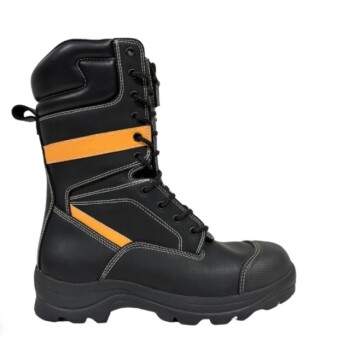
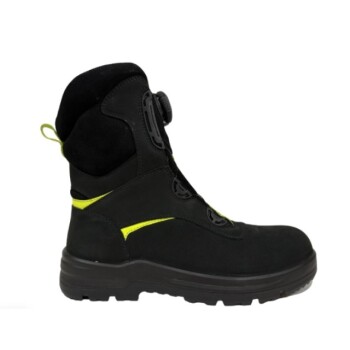
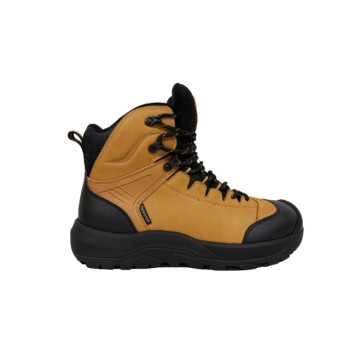
Beyond just fire resistance, a fire boot is a highly specialized piece of personal protective equipment (PPE) designed for comprehensive safety. Its primary use is to protect a firefighter's feet from the full spectrum of hazards present in an unpredictable emergency environment, ranging from extreme heat and sharp objects to unstable terrain and water.
A fire boot's true purpose is to function as a foundational tool. It provides a stable, puncture-proof, and insulated platform that enables firefighters to navigate dangerous and chaotic environments with confidence and safety.
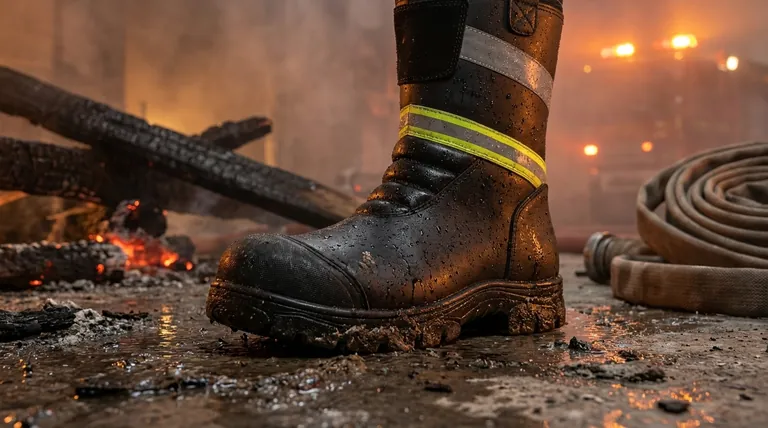
The Core Protective Functions of a Fire Boot
A modern fire boot is not a single-purpose item but a multi-layered system. Each component is engineered to counter a specific, common hazard encountered during firefighting and rescue operations.
Thermal Protection from Extreme Heat
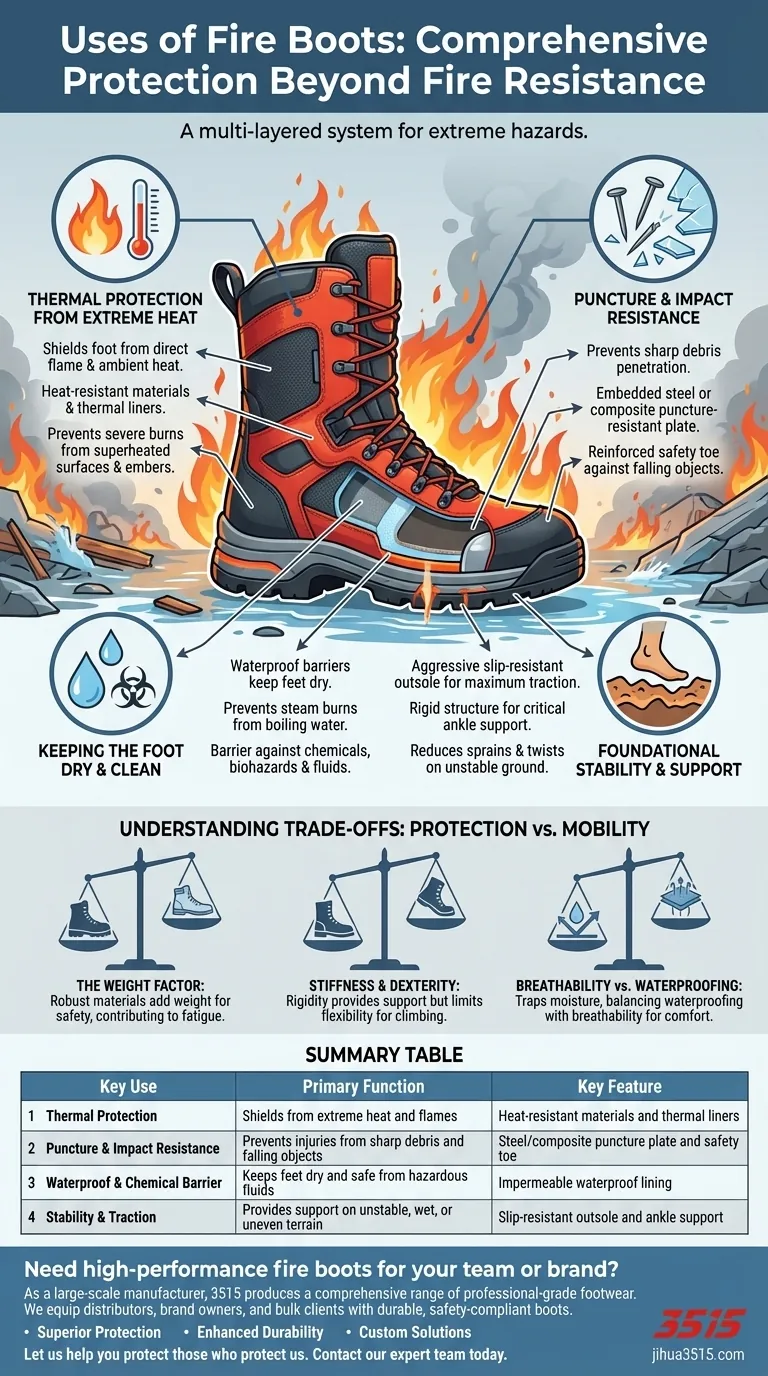
The most obvious use is shielding the foot from direct flame and intense ambient heat. This is achieved through thick, heat-resistant materials like leather and specialized thermal liners.
This protection is crucial for preventing severe burns, which can occur not just from flames but also from contact with superheated surfaces and embers.
Puncture and Impact Resistance
Fire scenes are littered with sharp debris like glass, nails, and twisted metal. A key function of the boot is to prevent these objects from penetrating the sole.
This is accomplished with a puncture-resistant plate, often made of steel or a composite material, embedded within the sole. A reinforced safety toe also protects against crushing injuries from falling objects.
Keeping the Foot Dry and Clean
Firefighting involves massive amounts of water, and boots are designed with waterproof barriers to keep feet dry. This is critical for preventing steam burns, which can happen if water gets inside the boot and is heated to boiling.
This waterproof lining also protects the firefighter from exposure to potentially hazardous chemicals, biohazards, and other fluids present at an emergency scene.
Foundational Stability and Support
Firefighters must move across wet, icy, or uneven terrain. A fire boot's aggressive, slip-resistant outsole is designed to provide maximum traction and prevent falls.
Furthermore, the rigid structure provides critical ankle support, reducing the risk of sprains and twists when navigating debris or carrying heavy equipment. This stability is essential for maintaining balance in a chaotic environment.
Understanding the Trade-offs: Protection vs. Mobility
While a fire boot's primary use is protection, the design inherently involves balancing safety features with the practical needs of the user. This creates several important trade-offs.
The Weight Factor
The robust materials required for thermal, puncture, and impact protection add significant weight. While necessary for safety, this weight can contribute to fatigue over long incidents.
Stiffness and Dexterity
A highly protective boot is, by nature, stiff. This rigidity, especially in the sole, provides support but can limit the flexibility needed for climbing ladders or navigating tight spaces.
Breathability vs. Waterproofing
An effective waterproof barrier is excellent at keeping water out, but it can also trap sweat and moisture inside. This can lead to discomfort and foot health issues during extended use, forcing a compromise between complete waterproofing and some level of breathability.
Why Every Feature Matters
Understanding a fire boot's use means recognizing that each design element serves a distinct, life-saving purpose. The right protection depends entirely on the specific hazards being faced.
- If the primary hazard is fire and heat: The boot's core use is to provide thermal insulation through its multi-layered construction, preventing burns.
- If the primary hazard is unstable ground and debris: Its use is to prevent punctures and ankle injuries with a reinforced sole and strong structural support.
- If the primary hazard is water or chemicals: Its use is to create an impermeable barrier, keeping the foot dry and safe from contaminants.
Ultimately, every component of a fire boot is purposefully designed to reduce risk, allowing firefighters to focus on the life-saving work at hand.
Summary Table:
| Key Use | Primary Function | Key Feature |
|---|---|---|
| Thermal Protection | Shields from extreme heat and flames | Heat-resistant materials and thermal liners |
| Puncture & Impact Resistance | Prevents injuries from sharp debris and falling objects | Steel/composite puncture plate and safety toe |
| Waterproof & Chemical Barrier | Keeps feet dry and safe from hazardous fluids | Impermeable waterproof lining |
| Stability & Traction | Provides support on unstable, wet, or uneven terrain | Slip-resistant outsole and ankle support |
Need high-performance fire boots for your team or brand?
As a large-scale manufacturer, 3515 produces a comprehensive range of professional-grade footwear, including advanced fire boots. We equip distributors, brand owners, and bulk clients with durable, safety-compliant boots that meet the rigorous demands of firefighting and emergency response.
Our production capabilities ensure:
- Superior Protection: Built with heat-resistant materials, puncture-resistant soles, and waterproof barriers.
- Enhanced Durability: Designed for long-lasting performance in the toughest conditions.
- Custom Solutions: Tailored to meet the specific safety standards and volume needs of your organization.
Let us help you protect those who protect us. Contact our expert team today to discuss your fire boot requirements and receive a customized quote.
Visual Guide
Related Products
- High Performance Fire-Retardant Waterproof Safety Boots
- Premium Flame-Retardant Waterproof Safety Boots and Shoes
- Wholesale Waterproof Tactical Boots Custom Suede & High-Traction Soles
- Wholesale Lightweight Tactical Boots Custom Manufacturer for Desert & Combat Use
- Premium Waterproof High-Cut Industrial Safety Boots for Wholesale and Bulk Orders
People Also Ask
- Why are waterproof safety boots recommended for certain work environments? Essential Protection for Wet & Hazardous Jobs
- What roles do 3D vision systems and industrial robots play in the manufacturing of fire safety boots? Smart Automation
- What are the drawbacks of waterproof boots? The Breathability vs. Protection Trade-Off
- What are the primary benefits of incorporating waterproof technology into professional and outdoor boots? Boost Value
- How does boot construction affect waterproofing? The Science Behind Truly Dry Feet