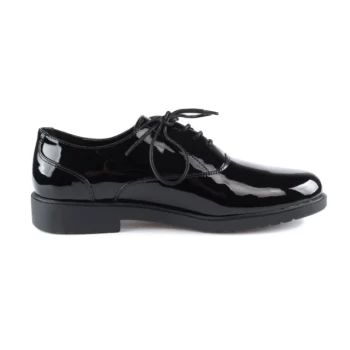
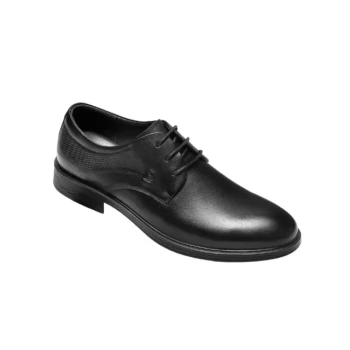
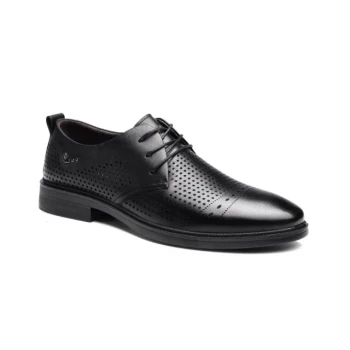
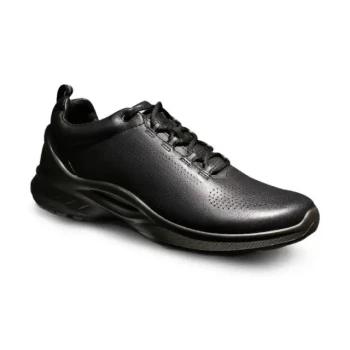
Traditional formal footwear is fundamentally incompatible with the rigorous demands of modern infection control environments due to specific material and structural failures. These items lack the durability to withstand harsh chemical disinfection, fail to provide adequate slip resistance on contaminated surfaces, and offer insufficient physical protection against hazardous fluid spills.
The core limitation is a conflict between design and utility: materials crafted for aesthetics degrade rapidly when subjected to the high-level sanitization protocols required in clinical settings.
The Material Integrity Failure
Vulnerability to Chemical Agents
The primary failure point of traditional dress shoes is their inability to survive contact with hospital-grade disinfectants. The leathers and fabrics typically used in formal wear degrade quickly when exposed to the harsh chemicals required to kill pathogens.
Incompatibility with High-Heat Cleaning
Modern infection control often involves high-temperature cleaning processes to ensure sterility. Traditional footwear materials and adhesives are not heat-resistant, leading to structural breakdown and separation after minimal exposure.
Safety and Barrier Protection Deficiencies
Inadequate Slip Resistance
Clinical environments frequently feature smooth floors that may be wet or contaminated with biological fluids. Traditional dress shoe soles are generally designed for aesthetics or carpeted office environments, offering inadequate traction that increases the risk of slips and falls in clinical zones.
Permeability to Hazardous Fluids
Infection control relies on creating impermeable barriers between the healthcare worker and contaminants. Formal shoes are often porous or cut low, offering insufficient protection against fluid splashes, allowing hazardous spills to reach the skin or sock.
Understanding the Trade-offs
Aesthetics vs. Sterility
The trade-off here is clear: prioritization of a "professional" formal aesthetic introduces an infection vector. While formal wear may convey authority, it cannot be sanitized to the degree necessary to prevent cross-contamination without destroying the item.
The Durability Gap
Continuing to wear traditional shoes in high-risk areas results in a cycle of rapid replacement. Unlike specialized medical footwear designed with easy-to-sanitize surfaces, formal shoes become permanent reservoirs for pathogens once the material begins to crack or absorb fluids.
Making the Right Choice for Your Environment
To maintain safety standards without compromising your role, align your footwear choice with your specific clinical interaction level.
- If your primary focus is high-risk clinical zones: Prioritize specialized medical footwear with non-porous, polymer-based materials that offer superior slip resistance and can withstand chemical sterilization.
- If your primary focus is administrative or consultative: You may retain traditional dress shoes, but strictly limit your exposure to "wet" clinical areas where spill hazards and rigorous cleaning protocols are active.
True infection control requires viewing footwear not as clothing, but as personal protective equipment (PPE) that must withstand the harshest cleaning protocols.
Summary Table:
| Failure Category | Traditional Dress Shoe Limitation | Medical Grade Requirement |
|---|---|---|
| Chemical Resistance | Rapid degradation from disinfectants | High tolerance to hospital-grade chemicals |
| Traction & Safety | Poor slip resistance on wet floors | Certified anti-slip outsoles (SRA/SRB/SRC) |
| Barrier Protection | Porous materials/Low-cut design | Fluid-resistant, non-porous barriers |
| Sterilization | Adhesives fail in high-heat cleaning | Autoclave-safe or heat-resistant construction |
Upgrade Your Professional Footwear Strategy with 3515
Don't let traditional footwear compromise your safety standards. As a large-scale manufacturer serving distributors and brand owners, 3515 offers comprehensive production capabilities for all footwear types. We specialize in bridging the gap between formal aesthetics and industrial safety.
Whether you need our flagship Safety Shoes series, durable tactical boots, or specialized Dress & Formal shoes designed for bulk professional requirements, we provide the manufacturing excellence you need to protect your team and clients.
Ready to enhance your product line? Contact us today to discuss your bulk manufacturing needs.
References
- Ola Løkken Nordrum, M Callaghan. Hospital doctors’ attire during COVID-19 and beyond: time for a permanent change. DOI: 10.1007/s11845-022-02922-1
This article is also based on technical information from 3515 Knowledge Base .
Related Products
- Wholesale Patent Oxford Dress Shoes | Custom & Bulk Manufacturing
- Wholesale Leather Derby Dress Shoes Custom Manufacturer for Brands
- Wholesale Comfort Dress Shoes with Dial Closure for Custom Manufacturing
- Wholesale Leather Derby Shoes Manufacturer | Customizable Business & Dress Footwear
- Wholesale Breathable Perforated Leather Derby Dress Shoes for Custom Brands
People Also Ask
- What are the key characteristics of Oxford dress shoes? A Guide to Timeless Formal Footwear
- How do Oxfords and Derbies differ in terms of lacing and formality? A Guide to Choosing the Right Shoe
- What is the origin of the Oxford shoe? From 1800s University Boots to Modern Elegance
- How do Oxford Shoes differ from other casual shoes? The Ultimate Guide to Lacing & Formality
- What makes Oxford shoes suitable for business casual settings? Master the Art of Professional Style