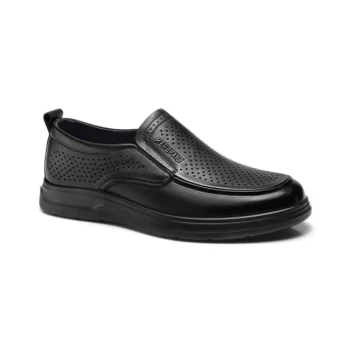
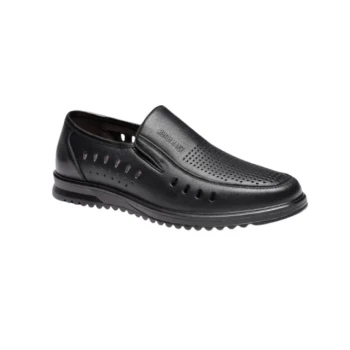
Failing to wear slip-resistant shoes in a hazardous environment exposes you to the direct and severe risk of slips, trips, and falls. These incidents are not minor; they can lead to debilitating injuries such as broken bones, severe back injuries, significant head trauma, and even internal organ damage. In the most serious cases, these accidents can result in long-term health complications or prove fatal.
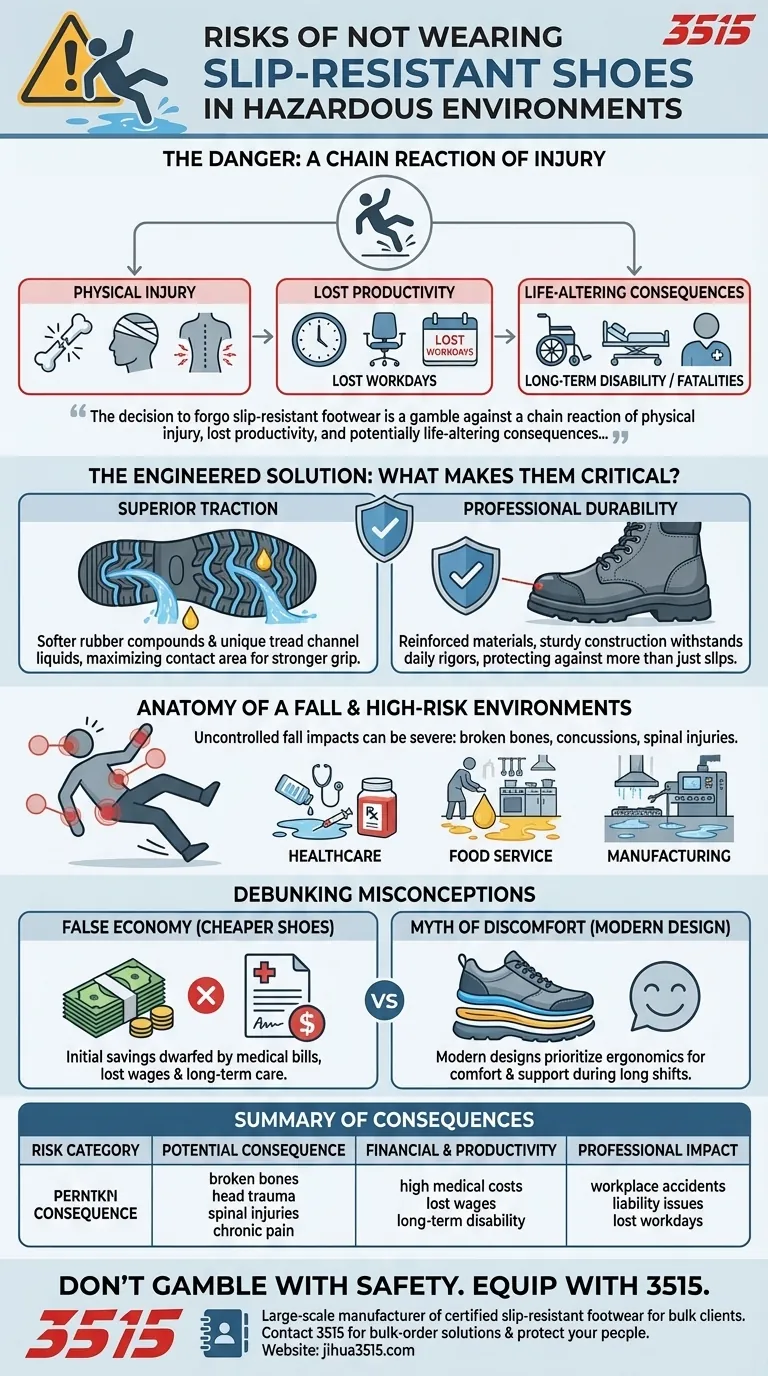
The core issue extends beyond a simple fall. The decision to forgo slip-resistant footwear is a gamble against a chain reaction of physical injury, lost productivity, and potentially life-altering consequences that a single piece of engineered equipment is designed to prevent.
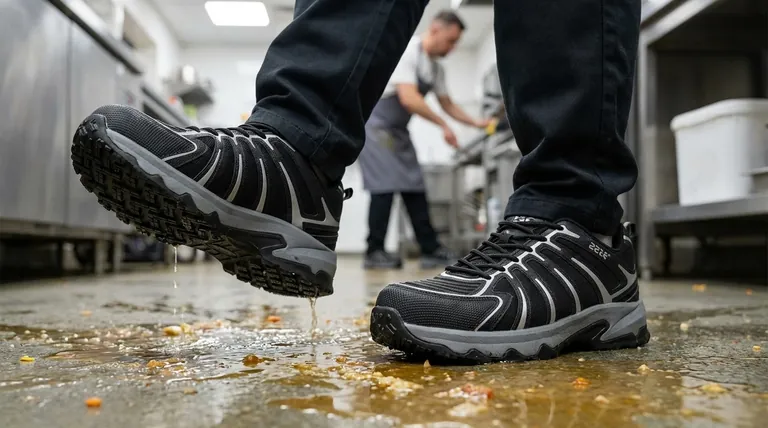
What Defines "Slip-Resistant" Footwear?
To understand the risks of not wearing them, we must first appreciate what makes these shoes a critical piece of safety equipment. They are not merely shoes with a better tread; they are an engineered solution.
Engineered for Superior Traction
Slip-resistant shoes are specifically designed with soles made from softer rubber compounds and feature unique tread patterns. These designs work together to channel liquids like water and oil away from the bottom of the shoe, maximizing the contact area with the floor and creating a much stronger grip.
Built for Professional Durability
Unlike standard footwear, professional-grade slip-resistant shoes are built with reinforced materials and a sturdier overall construction. Features like reinforced toes and durable uppers are meant to withstand the daily rigors of demanding work environments, protecting the wearer from more than just slippery surfaces.
The Anatomy of a Workplace Fall
A slip-and-fall incident is often underestimated until it occurs. The physics of an uncontrolled fall means your body can impact the ground or surrounding objects with tremendous force.
The Spectrum of Physical Injury
The immediate consequence is often severe. An unexpected fall can easily lead to broken bones in the wrists, arms, or hips. A blow to the head can cause concussions or traumatic brain injuries, while a hard landing on the back can result in spinal or back injuries with chronic pain.
High-Risk Environments Magnify the Danger
Consider a healthcare setting. Professionals navigate constant slip hazards from spilled liquids, biohazards, and cleaning fluids. A fall in this environment not only risks injury from the impact but also from potential contact with broken glass, sharp objects, or medical waste on the floor.
Understanding the Trade-offs and Misconceptions
Choosing the right footwear involves weighing costs and benefits, but some common assumptions are dangerously flawed.
The False Economy of Cheaper Shoes
Opting for standard shoes to save money is a critical mistake. The cost of a single serious injury—including medical bills, lost wages, and potential long-term care—dwarfs the initial investment in proper, certified safety footwear.
The Myth of Discomfort
Early generations of safety shoes may have prioritized protection over comfort. However, modern slip-resistant shoes are designed with ergonomics in mind, providing the necessary support and cushioning for long shifts without sacrificing the essential safety features.
Making the Right Choice for Your Environment
Your specific context determines the necessity and type of footwear required. The goal is to match the level of protection to the level of risk you face.
- If you work in a high-risk profession (e.g., healthcare, food service, manufacturing): Slip-resistant shoes are a non-negotiable component of your personal protective equipment (PPE).
- If you encounter occasional hazards (e.g., rainy climates, frequent cleaning at home, icy conditions): Investing in a pair of slip-resistant shoes is a proactive measure that provides a crucial layer of safety for everyday life.
Ultimately, proper footwear is a foundational element of personal safety and professional responsibility.
Summary Table:
| Risk Category | Potential Consequence |
|---|---|
| Physical Injury | Broken bones, head trauma, spinal injuries, chronic pain |
| Financial & Productivity | High medical costs, lost wages, long-term disability |
| Professional Impact | Workplace accidents, liability issues, lost workdays |
Don't gamble with safety. Equip your team with reliable, professional-grade footwear from 3515.
As a large-scale manufacturer, 3515 produces a comprehensive range of certified slip-resistant shoes and boots for distributors, brand owners, and bulk clients. Our footwear is engineered for superior traction and durability, protecting your workforce and your bottom line from the high costs of preventable accidents.
Contact 3515 today for a consultation on our bulk-order solutions and protect your most valuable asset—your people.
Visual Guide
Related Products
- Premium Suede Sport Safety Shoes for Wholesale & Bulk Orders
- Heavy-Duty Waterproof Nubuck Safety Boots Safety Shoes for Bulk Supply
- Advanced KPU Athletic Safety Shoe with Steel Toe Cap Anti-Slip Rotary Lacing System
- Durable High-Traction Canvas Sneakers Wholesale & Custom Manufacturing
- Durable Leather Moc Toe Work Boots for Wholesale & Custom Manufacturing
People Also Ask
- What industries have specific OSHA footwear requirements? Ensure Compliance & Protect Your Workforce
- What are the primary functions of professional safety shoes? Maximize Safety in Water Supply Confined Spaces
- What role do specialized safety shoes play in preventing falls? Engineering Stability in Industrial Environments
- Why must safety training be synchronized with the provision of physical safety shoes? Achieve Optimal Workplace Protection
- How do complex outsole tread designs in safety shoes work with coated floors? Master Slip Resistance Engineering