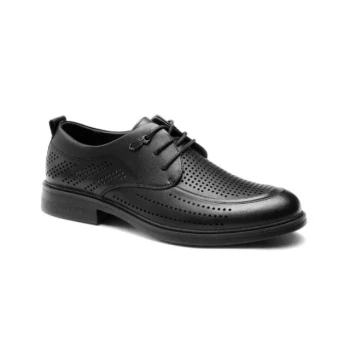
To break in new dress shoes, the two most reliable methods are gradual, natural wear and the targeted use of a shoe stretcher. The first method involves wearing the shoes for short periods to allow the leather to naturally mold to your foot, while the second offers a quicker, more forceful solution for specific fit issues.
The need to "break in" a shoe is not a flaw, but a feature of its construction. Understanding whether your shoe is built for long-term durability (like a Goodyear Welt) or immediate flexibility (like a Blake Stitch) is the key to choosing the right method and achieving true comfort.
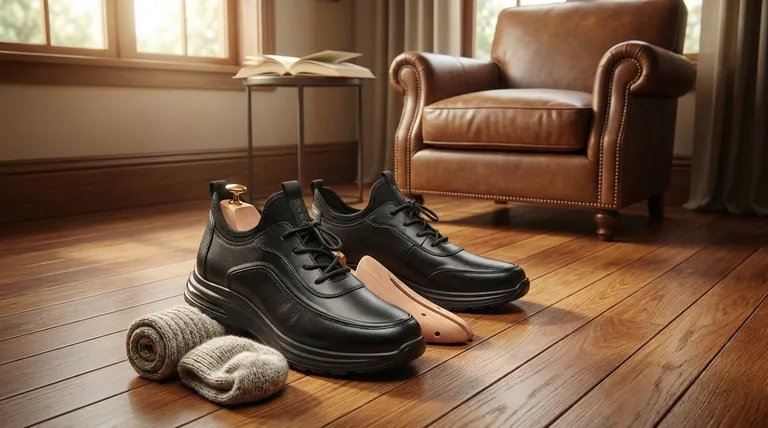
Why New Dress Shoes Feel Stiff: The Role of Construction
Before forcing a shoe to fit, it's critical to understand how it was made. The construction method is the single biggest factor determining its initial stiffness and how it will adapt to your foot over time.
The Goodyear Welt: Built for Longevity, Not Instant Comfort
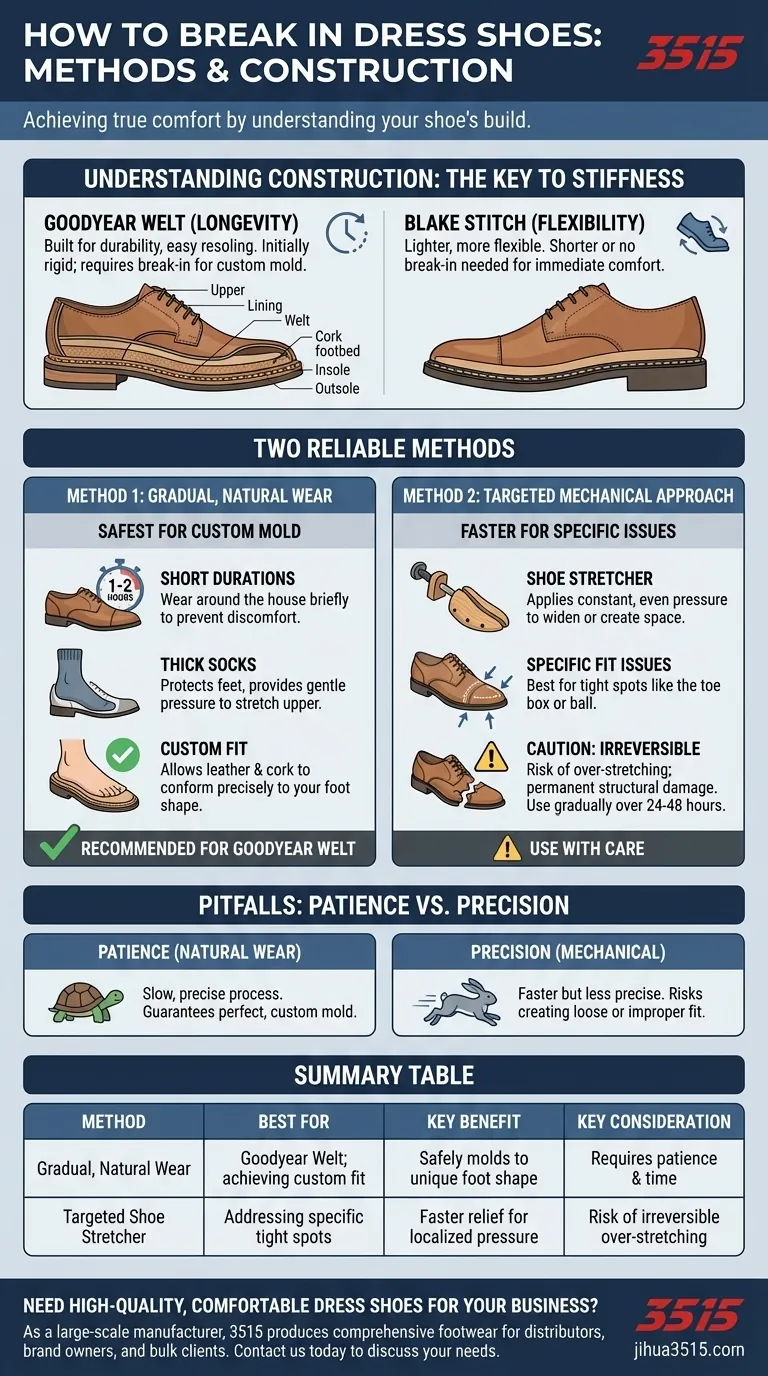
Many premium dress shoes use a Goodyear Welt, a complex construction that stitches the upper, lining, and a strip of leather (the welt) to the insole and sole.
This robust, layered structure is incredibly durable and allows for easy resoling, but it also results in a shoe that is initially quite rigid. The break-in period is essential for the cork footbed and leather to soften and mold perfectly to your foot's unique shape.
The Blake Stitch: Designed for Flexibility
A Blake-stitched shoe has a simpler profile where the outsole is stitched directly to the insole and upper. This creates a much more flexible and lightweight shoe right out of the box.
These shoes require a significantly shorter, if any, break-in period, offering superior comfort from the first wear.
Method 1: The Gradual and Natural Approach
This is the safest and most recommended method for molding high-quality footwear to your feet. It prioritizes a perfect fit over speed.
Start with Short Durations
Begin by wearing your new shoes around the house for just one to two hours at a time. This prevents significant discomfort or blisters while starting the molding process.
Use Thicker Socks
Wearing a pair of thick dress socks can help in two ways. It protects your feet from friction and provides a gentle, consistent pressure to help stretch the leather upper.
The Goal: A Custom Mold
The true benefit of this method is allowing the shoe's leather insole and cork filling to compress and conform precisely to the contours of your foot, creating a fit that is truly custom.
Method 2: The Targeted Mechanical Approach
For a faster solution or to address specific problem areas, a shoe stretcher can be an effective tool when used correctly.
How a Shoe Stretcher Works
A wooden or plastic shoe stretcher is inserted into the shoe and expanded, applying constant, even pressure. This is most effective for widening a shoe or creating more space in the toe box.
Best for Specific Fit Issues
This method isn't for general stiffness; it's a solution for a targeted problem. If the shoe is the correct length but too tight in one spot—like across the ball of the foot—a stretcher can provide the necessary relief.
Understanding the Pitfalls
Rushing the break-in process can lead to discomfort for you and permanent damage to your shoes.
The Risk of Over-Stretching
Using a shoe stretcher is an irreversible process. If you over-stretch the leather, you can permanently alter the shoe's structure and ruin the fit. Always proceed with small, gradual adjustments over 24-48 hours.
Patience vs. Precision
Natural wear is a slow but precise process that guarantees the shoe molds to your foot. Mechanical stretching is faster but less precise and risks creating a fit that is too loose or improperly shaped.
Making the Right Choice for Your Shoe
Your approach should be dictated by your shoe's construction and your specific comfort goals.
- If your primary focus is preserving a Goodyear-welted investment: Use the slow and gradual wear method to achieve a perfect, custom-molded fit over time.
- If your primary focus is correcting a specific pressure point: Use a shoe stretcher carefully and incrementally to target the problem area without compromising the rest of the shoe's fit.
- If your primary focus is immediate comfort in a flexible shoe: Your Blake-stitched or softer leather shoes will likely require only a few short wears to feel perfectly comfortable.
Ultimately, working with the shoe's design, not against it, is the definitive path to lasting comfort.
Summary Table:
| Method | Best For | Key Benefit | Key Consideration |
|---|---|---|---|
| Gradual, Natural Wear | Goodyear Welted shoes; achieving a perfect, custom fit | Safely molds the shoe to your foot's unique shape | Requires patience; process takes time |
| Targeted Shoe Stretcher | Addressing specific tight spots (e.g., toe box, ball of foot) | Provides faster relief for localized pressure points | Risk of over-stretching; changes are irreversible |
Need a reliable source for high-quality dress shoes that are built for comfort and durability?
As a large-scale manufacturer, 3515 produces a comprehensive range of footwear for distributors, brand owners, and bulk clients. Our production capabilities encompass all types of shoes and boots, ensuring you get the perfect fit and construction for your market.
Contact us today to discuss your footwear needs and discover how we can support your business with quality and scale.
Visual Guide
Related Products
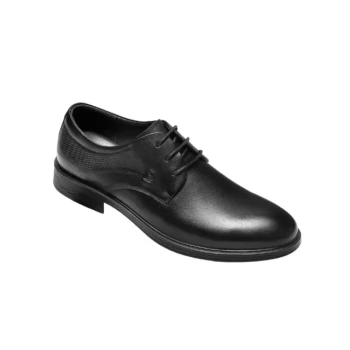
- Classic Leather Derby Dress Shoes Wholesale & Custom Manufacturing
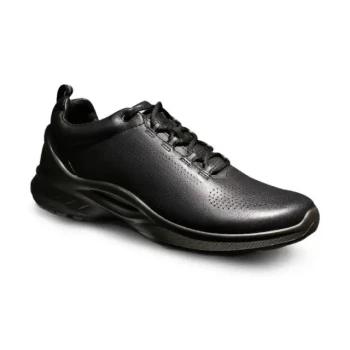
- Wholesale Comfort Dress Shoes with Dial Closure for Custom Manufacturing
- Wholesale Leather Derby Dress Shoes Custom Manufacturer for Brands
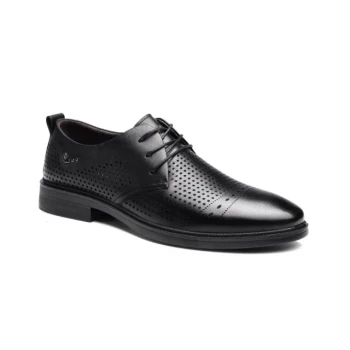
- Wholesale Perforated Comfort Dress Shoes | Custom Derby Shoe Manufacturer
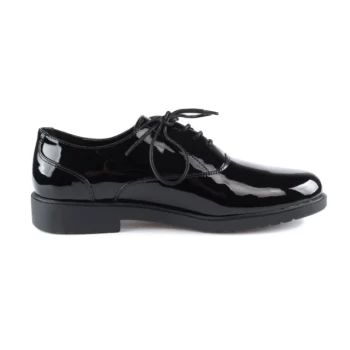
- Wholesale Patent Oxford Dress Shoes | Custom & Bulk Manufacturing
People Also Ask
- How often should leather dress shoes be cleaned and polished? A 3-Tier Care Guide for Longevity
- How can you remove salt stains from leather dress shoes? Save Your Shoes with a Simple Vinegar Solution
- What are the basic steps to clean leather dress shoes? A Guide to Preserving Your Investment
- How should you dry wet leather dress shoes? A Step-by-Step Guide to Save Your Investment
- What historical figure is associated with the Derby shoe? The Earl of Derby's Comfort Revolution