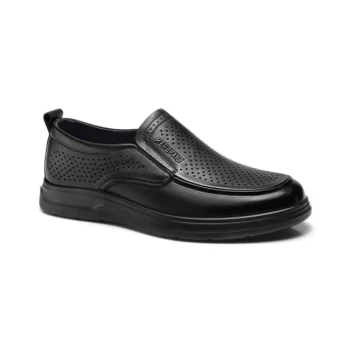
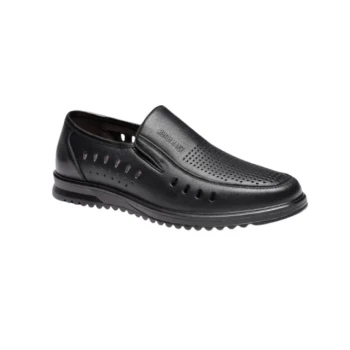
At its core, a loafer is a slip-on shoe defined by its lack of laces or other fastenings. This simple, convenient design is its most fundamental feature, allowing it to blend sophisticated style with everyday comfort. Though they come in many variations, all loafers share this laceless, low-profile silhouette, typically crafted from leather or suede.
The defining feature of a loafer is its laceless, slip-on construction. However, its true value comes from its unique ability to bridge the gap between formal dress shoes and casual, comfortable footwear.
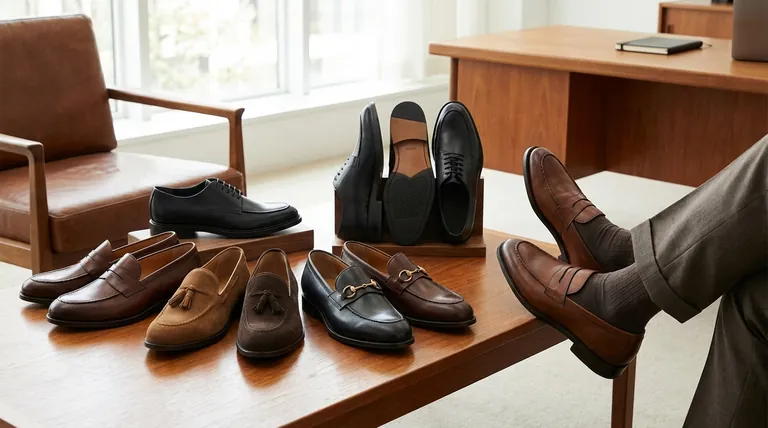
The Anatomy of a Classic Loafer
To truly understand loafers, it's essential to look at the core components that make them distinct from other footwear.
The Laceless, Slip-On Design
This is the most critical feature. The absence of laces, buckles, or straps makes the loafer exceptionally easy to wear, offering unparalleled convenience.
This design is intentional, creating a clean and uncluttered look on the top part of the shoe, known as the vamp.
Moccasin-Inspired Construction
Many loafers have a moccasin-style construction, where a separate piece of leather is stitched around the top of the shoe.
This visible seam creates a distinct "apron" on the front, a visual cue tracing back to the shoe's origins with Norwegian fishermen and Iroquois moccasins.
Low-Profile Silhouette
Loafers are characterized by their low height, meaning they do not cover the ankle. They typically feature a low or non-existent heel.
This flat profile contributes significantly to their reputation for all-day comfort and support.
Common Materials: Leather and Suede
The vast majority of loafers are made from leather or suede.
Leather provides a more formal, durable, and structured look, while suede offers a softer, more casual, and textured appearance.
Key Loafer Styles and Their Distinctions
While all loafers are slip-ons, specific decorative elements create distinct, classic styles.
Penny Loafers
This is the most traditional style, featuring a leather strap across the vamp with a diamond-shaped cutout. It is a versatile staple for both professional and casual settings.
Tassel Loafers
As the name suggests, these are adorned with decorative tassels on the vamp. This style adds a touch of flair and is often seen as slightly more formal or sartorial than the penny loafer.
Horsebit Loafers
This style is defined by a metal strap across the vamp shaped like a horse's snaffle bit. It carries a more luxurious and fashion-forward connotation.
Understanding the Trade-offs
Loafers offer a unique blend of benefits, but it's important to understand their limitations.
Support vs. Modern Comfort
Traditional loafer designs offer less ankle and arch support than a well-structured, laced dress shoe.
However, many modern loafers now incorporate features like cushioned insoles, superior arch support, and lightweight EVA outsoles to provide cloud-like comfort and stability.
Versatility Has Its Limits
While incredibly versatile, loafers are not suitable for the most formal occasions, such as black-tie events. They excel in casual, business-casual, and semi-formal environments.
Material Maintenance
The choice of material dictates the required upkeep. Suede loafers are more susceptible to water damage and staining than their polished leather counterparts and require more careful maintenance.
Making the Right Choice for Your Goal
Select a loafer based on its features and how they align with your intended use.
- If your primary focus is all-day comfort and travel: Seek out modern loafers with cushioned footbeds, EVA midsoles, and enhanced arch support.
- If your primary focus is professional or business-casual style: Choose a classic leather penny or horsebit loafer in a conservative color like black or brown.
- If your primary focus is adding a stylish, casual touch: Consider suede or tassel loafers in a wider range of colors to complement your wardrobe.
Ultimately, the loafer's enduring appeal lies in its effortless ability to provide both style and comfort without compromise.
Summary Table:
| Feature | Description | Key Takeaway |
|---|---|---|
| Laceless Design | Slip-on construction for ultimate convenience and a clean look. | Effortless to wear and remove. |
| Moccasin Construction | A visible 'apron' seam on the vamp, tracing back to its origins. | Defines the classic loafer silhouette. |
| Low-Profile Silhouette | Ankle-height with a low heel, prioritizing all-day comfort. | Ideal for casual and business-casual settings. |
| Common Materials | Typically crafted from durable leather or soft, textured suede. | Leather is more formal; suede is more casual. |
| Classic Styles | Includes Penny, Tassel, and Horsebit loafers, each with unique decorative elements. | Offers a style for every occasion and personal taste. |
Ready to Stock the Perfect Loafers for Your Customers?
As a large-scale manufacturer, 3515 produces a comprehensive range of high-quality loafers for distributors, brand owners, and bulk clients. We combine timeless style with modern comfort features like cushioned insoles and EVA outsoles, ensuring your customers get the perfect blend of fashion and function.
Let us help you build a winning footwear collection. Contact our team today to discuss your manufacturing needs and request a catalog!
Visual Guide

Related Products
- Men's Breathable Perforated Loafers Wholesale & OEM Manufacturing
- Wholesale Breathable Perforated Slip-On Loafers Custom Manufacturing
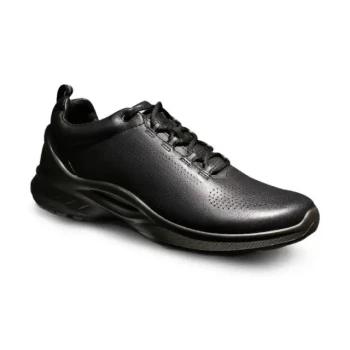
- Custom Manufactured Air Cushion Leather Business Shoes for Wholesale
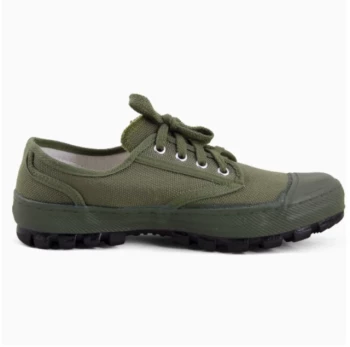
- Wholesale Durable Camouflage Canvas Shoes with High-Traction Cleated Rubber Sole
- Durable Goodyear Welt Leather Work Boots for Wholesale & Private Label
People Also Ask
- Why are loafers considered a business casual must-have? Achieve Effortless Style and Comfort
- How are loafers different from moccasins? Understand Construction, Formality & Use
- What are loafers and how are they styled? A Guide to Effortless Style & Versatility
- What are loafers, and how are they typically worn? A Guide to Styles and Versatility
- What makes loafers a good choice for casual shoes? Discover Unmatched Versatility & Style