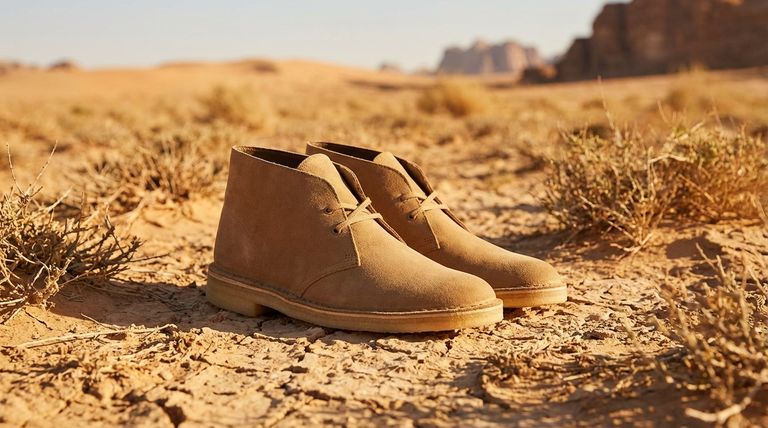
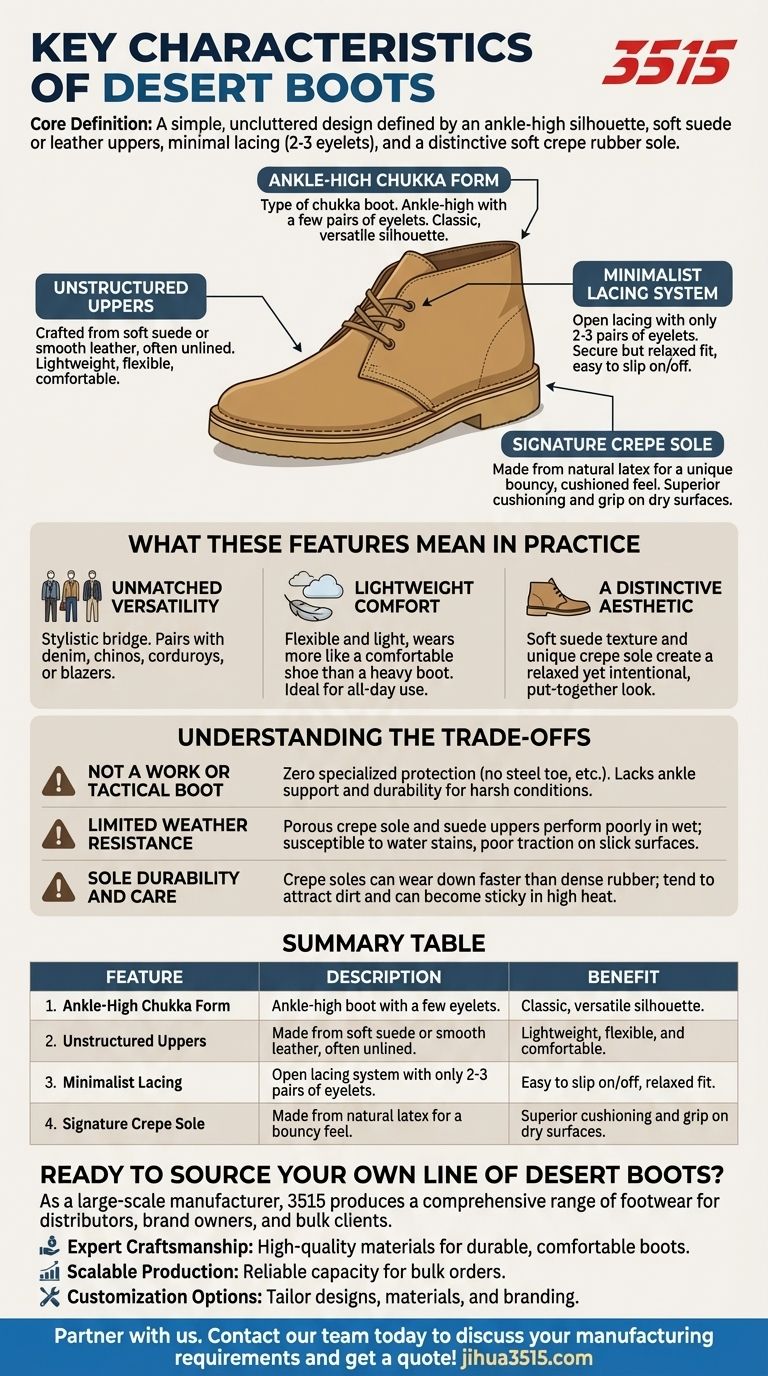
At its core, a desert boot is defined by a simple, uncluttered design. The key characteristics are an ankle-high silhouette, soft suede or leather uppers, a minimal lacing system with typically two or three eyelets, and—most importantly—a distinctive, soft crepe rubber sole.
The desert boot is a specific type of chukka boot distinguished by its flexible, unstructured build and signature crepe sole. This unique combination prioritizes lightweight comfort and stylistic versatility over the rugged protection found in more specialized footwear.
The Anatomy of a Classic Desert Boot
To truly understand the desert boot, we must examine its constituent parts. Each feature contributes to its unique feel and function.
Ankle-High Chukka Form
A desert boot is fundamentally a type of chukka boot. This category simply refers to any ankle-high boot with a few pairs of eyelets. The desert boot is the most famous and casual offshoot of this form.
Unstructured Uppers
The uppers are typically crafted from a single piece of soft suede or smooth leather. This construction is intentionally minimalist and often unlined, which allows the boot to be lightweight, flexible, and comfortable right out of the box.
The Minimalist Lacing System
Desert boots feature an open lacing system, where the quarters are sewn on top of the vamp. They are known for having only two or three pairs of eyelets, which provides a secure but relaxed fit that is easy to slip on and off.
The Signature Crepe Sole
The most defining characteristic is the crepe sole. This sole is made from a form of natural latex that provides a unique bouncy, cushioned feel underfoot. Its slightly tacky texture offers excellent grip on dry surfaces.
What These Features Mean in Practice
The design of the desert boot isn't arbitrary; its specific characteristics deliver a distinct wearing experience.
Unmatched Versatility
The boot's simple, clean lines allow it to be a stylistic bridge. It pairs effortlessly with casual denim but can easily be dressed up with chinos, corduroys, or even a blazer for a smart-casual look.
Lightweight Comfort
The combination of unstructured uppers and a soft crepe sole makes the desert boot exceptionally light and flexible. It wears more like a comfortable shoe than a heavy, rigid boot, making it ideal for all-day use.
A Distinctive Aesthetic
The soft texture of the suede upper combined with the unique, slightly uneven appearance of the crepe sole creates a look that is relaxed yet more intentional and put-together than a standard sneaker.
Understanding the Trade-offs
The desert boot's design is focused on style and comfort, which means it is not the right tool for every job.
Not a Work or Tactical Boot
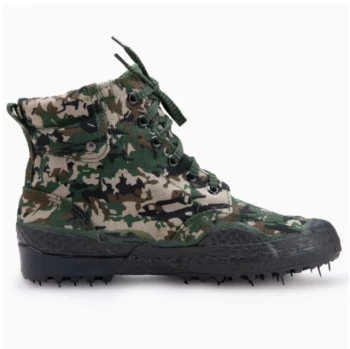
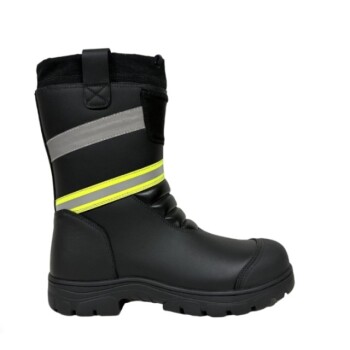
A desert boot offers zero specialized protection. Unlike safety boots, it has no steel toe cap, penetration-resistant midsole, or oil-resistant sole. Compared to army boots, it lacks the ankle support and durability required for harsh conditions.
Limited Weather Resistance
The classic suede upper and porous crepe sole perform poorly in wet conditions. Suede is susceptible to water stains, and the crepe sole does not provide reliable traction on slick or icy surfaces.
Sole Durability and Care
While exceptionally comfortable, crepe soles can wear down faster than the dense rubber used on work or hiking boots. They also have a tendency to attract dirt and can become sticky in high heat.
Making the Right Choice for Your Goal
Use these principles to decide if a desert boot aligns with your needs.
- If your primary focus is versatile style: The desert boot is an outstanding choice for bridging the gap between casual and smart-casual attire.
- If your primary focus is lightweight comfort: Its flexible build makes it a far more comfortable option for daily wear than heavier, more structured boots.
- If your primary focus is durability and protection: You should look towards purpose-built work, hiking, or tactical boots designed for those specific demands.
By understanding these core characteristics, you can appreciate the desert boot not just for its timeless style, but for its specific and intentional design.
Summary Table:
| Feature | Description | Benefit |
|---|---|---|
| Ankle-High Chukka Form | Ankle-high boot with a few eyelets. | Classic, versatile silhouette. |
| Unstructured Uppers | Made from soft suede or smooth leather, often unlined. | Lightweight, flexible, and comfortable. |
| Minimalist Lacing | Open lacing system with only 2-3 pairs of eyelets. | Easy to slip on/off, relaxed fit. |
| Signature Crepe Sole | Made from natural latex for a bouncy feel. | Superior cushioning and grip on dry surfaces. |
Ready to Source Your Own Line of Desert Boots?
As a large-scale manufacturer, 3515 produces a comprehensive range of footwear for distributors, brand owners, and bulk clients. Our production capabilities encompass all types of shoes and boots, including the classic desert boot.
Partner with us to benefit from:
- Expert Craftsmanship: High-quality materials and construction for durable, comfortable boots.
- Scalable Production: Reliable capacity to meet your bulk order requirements.
- Customization Options: Tailor designs, materials, and branding to your specific market needs.
Contact our team today to discuss your manufacturing requirements and get a quote!
Visual Guide
Related Products
- Wholesale Lightweight Tactical Boots Custom Manufacturer for Desert & Combat Use
- Durable Military Combat Boots with Water Drainage for Wholesale & OEM
- Durable Spiked Camouflage Boots Wholesale & Factory Production
- Wholesale High-Traction Camo Boots - Custom Manufacturer for Brands
- Durable Leather Tactical Boots Wholesale & Custom Manufacturing for Brands
People Also Ask
- What are the common types of combat boots? Find the Right Boot for Your Mission
- What specialized protections do tactical boots offer? Maximize Endurance with High-Performance Footwear
- How is the compatibility of polymer materials demonstrated in smart footwear? Enhancing Tactical & Training Performance
- What is the role of high-frequency acquisition hardware in technical skill analysis for outdoor and tactical boots?
- How does additive manufacturing equipment reduce environmental risks? Sustainable Tactics for Modern Footwear Production