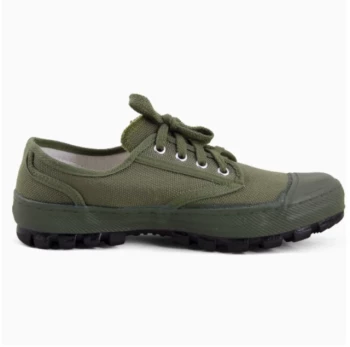
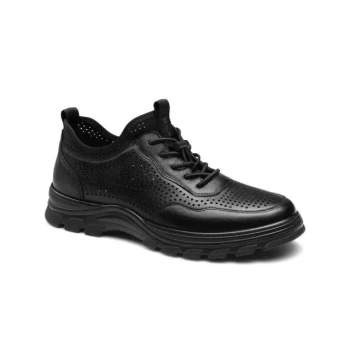
The primary advantages of natural rubber soles are their unique combination of superior performance characteristics and significant environmental benefits. They deliver exceptional grip, flexibility, and durability while being a renewable and biodegradable material, setting them apart from purely synthetic alternatives.
Natural rubber is not just a material choice; it's a functional and ethical one. It offers superior ground-feel and traction that synthetic compounds struggle to replicate, all while originating from a sustainable source and returning to the earth at the end of its life.
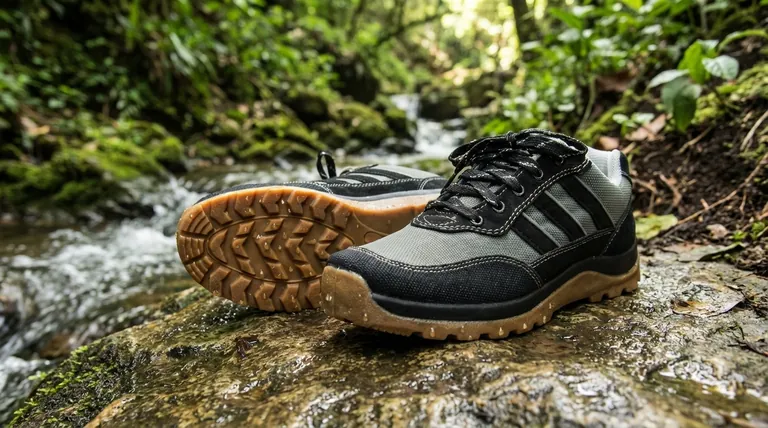
The Functional Superiority of Natural Rubber
The physical properties of natural rubber translate directly into a better experience for the wearer, from comfort to safety.
Unmatched Grip and Traction
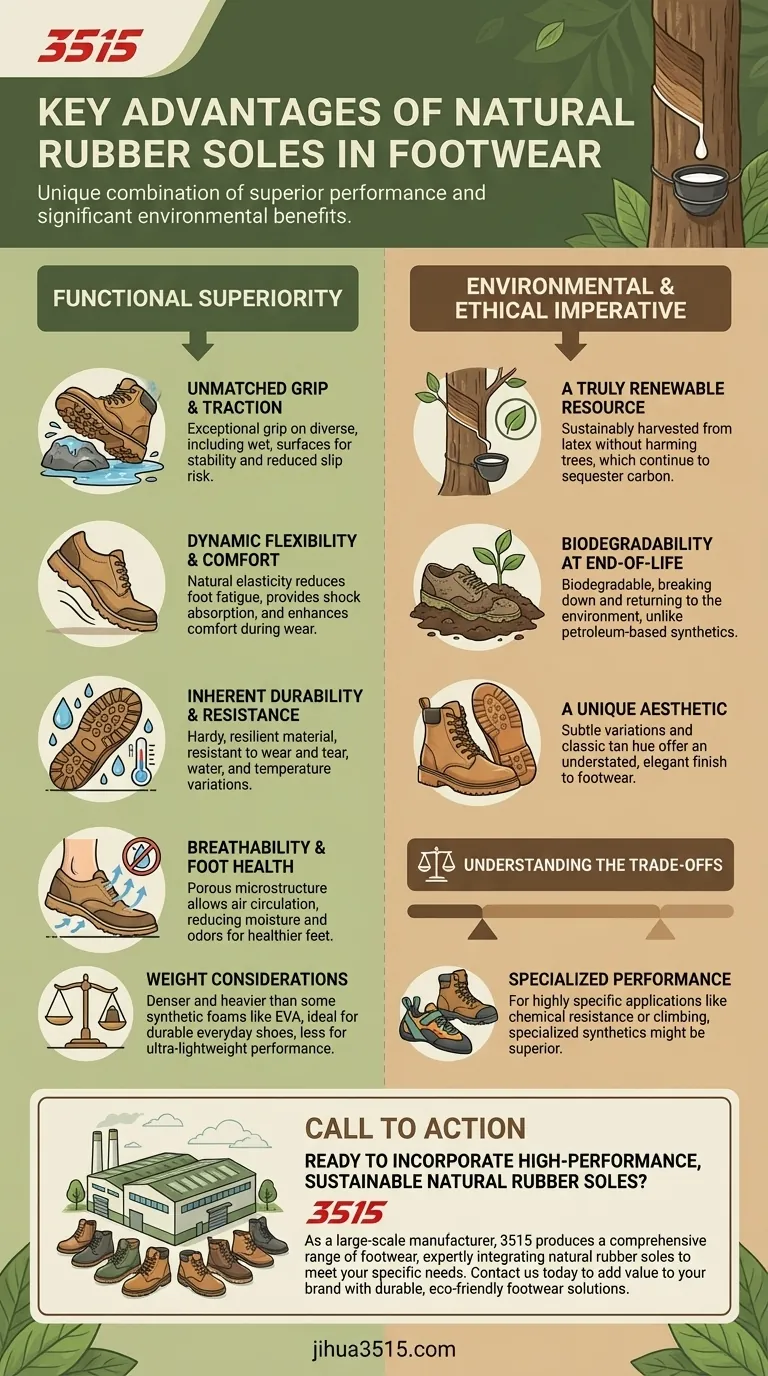
Natural rubber has an inherently high coefficient of friction. This provides an exceptional grip on a wide variety of surfaces, including wet and slippery ones, enhancing stability and reducing the risk of slips.
Dynamic Flexibility and Comfort
The material’s natural elasticity allows the sole to bend and move with the foot. This dynamic flexibility reduces foot fatigue, enhances comfort during prolonged wear, and provides excellent shock absorption.
Inherent Durability and Resistance
Natural rubber is a hardy and resilient material, highly resistant to wear and tear from daily use. It is also naturally water-resistant and can withstand a wide range of temperatures without becoming brittle or overly soft.
Breathability and Foot Health
The porous microstructure of natural rubber allows for a degree of air circulation. This helps to prevent moisture build-up inside the shoe, creating a drier, healthier environment for your feet and reducing the risk of odors.
The Environmental and Ethical Imperative
Beyond performance, choosing natural rubber is a decision rooted in sustainability.
A Truly Renewable Resource
Natural rubber is harvested from the latex of rubber trees in a process called tapping. This method is sustainable as it does not require cutting down the trees, which can continue to produce latex for decades while also sequestering carbon.
Biodegradability at End-of-Life
Unlike synthetic soles made from petroleum products that can persist in landfills for centuries, natural rubber is biodegradable. It will break down over time, returning to the environment and completing a natural cycle.
A Unique Aesthetic
The natural material often has subtle variations in texture and its classic tan hue, giving each sole a unique character. This can add an understated, elegant finish to footwear that complements various designs and materials.
Understanding the Trade-offs
While the benefits are significant, it is important to have a complete picture.
Weight Considerations
Natural rubber can be denser and therefore heavier than some synthetic foams like EVA (ethylene-vinyl acetate). This makes it an excellent choice for durable everyday shoes but potentially less ideal for ultra-lightweight performance running footwear.
Specialized Performance
For highly specific applications, such as climbing shoes or industrial work boots requiring resistance to certain oils and chemicals, a specialized synthetic compound might offer superior performance in that narrow context. Natural rubber provides the best all-around balance for general use.
Making the Right Choice for Your Footwear
Your final decision should align with your primary goal for the footwear.
- If your primary focus is everyday comfort and stability: Choose natural rubber for its superior flexibility, cushioning, and unparalleled grip on urban surfaces.
- If your primary focus is sustainable and ethical fashion: Opt for natural rubber as one of the best material choices for its renewable sourcing and biodegradability.
- If your primary focus is outdoor and all-weather wear: Rely on natural rubber for its excellent traction on unpredictable terrain and its inherent water resistance.
Ultimately, choosing footwear with natural rubber soles is an investment in superior performance, lasting comfort, and environmental responsibility.
Summary Table:
| Advantage | Key Benefit |
|---|---|
| Grip & Traction | Exceptional on wet/slippery surfaces |
| Flexibility & Comfort | Reduces foot fatigue, excellent shock absorption |
| Durability | Resistant to wear, water, and temperature changes |
| Sustainability | Renewable resource and biodegradable |
| Foot Health | Porous structure allows breathability |
Ready to incorporate high-performance, sustainable natural rubber soles into your footwear line?
As a large-scale manufacturer, 3515 produces a comprehensive range of footwear for distributors, brand owners, and bulk clients. Our production capabilities encompass all types of shoes and boots, and we can expertly integrate natural rubber soles to meet your specific design and performance needs.
Contact us today to discuss your project and discover how we can add value to your brand with durable, eco-friendly footwear solutions.
Visual Guide
Related Products
- Durable Rubber Sole Outdoor Shoes Wholesale & Custom Manufacturing
- Durable Canvas Work Shoes with Rubber Lug Sole | Wholesale Manufacturer
- Wholesale Durable Camo Canvas Shoes with High-Traction Rubber Soles
- Wholesale Durable Camouflage Canvas Shoes with High-Traction Cleated Rubber Sole
- Durable High-Traction Canvas Sneakers Wholesale & Custom Manufacturing
People Also Ask
- What is the function of the sole in outdoor shoes? Find the Perfect Grip and Support
- What role do outdoor shoes and sneakers play in navigating external terrains? Engineered Stability for Every Surface
- How is AI utilized in the design of outdoor and safety footwear? Harnessing Big Data for Market-Driven Shoe Innovation
- Why is durability important when selecting outdoor shoes? A Guide to Safety & Long-Term Value
- What are the key components of outdoor shoes that affect comfort and sturdiness? A Guide to Durable, High-Performance Footwear