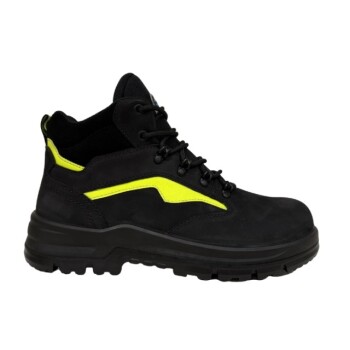
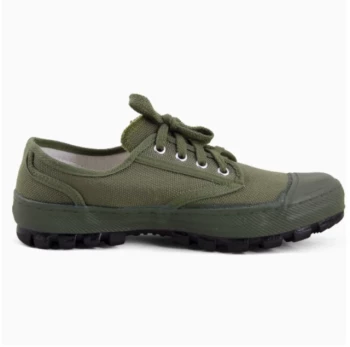
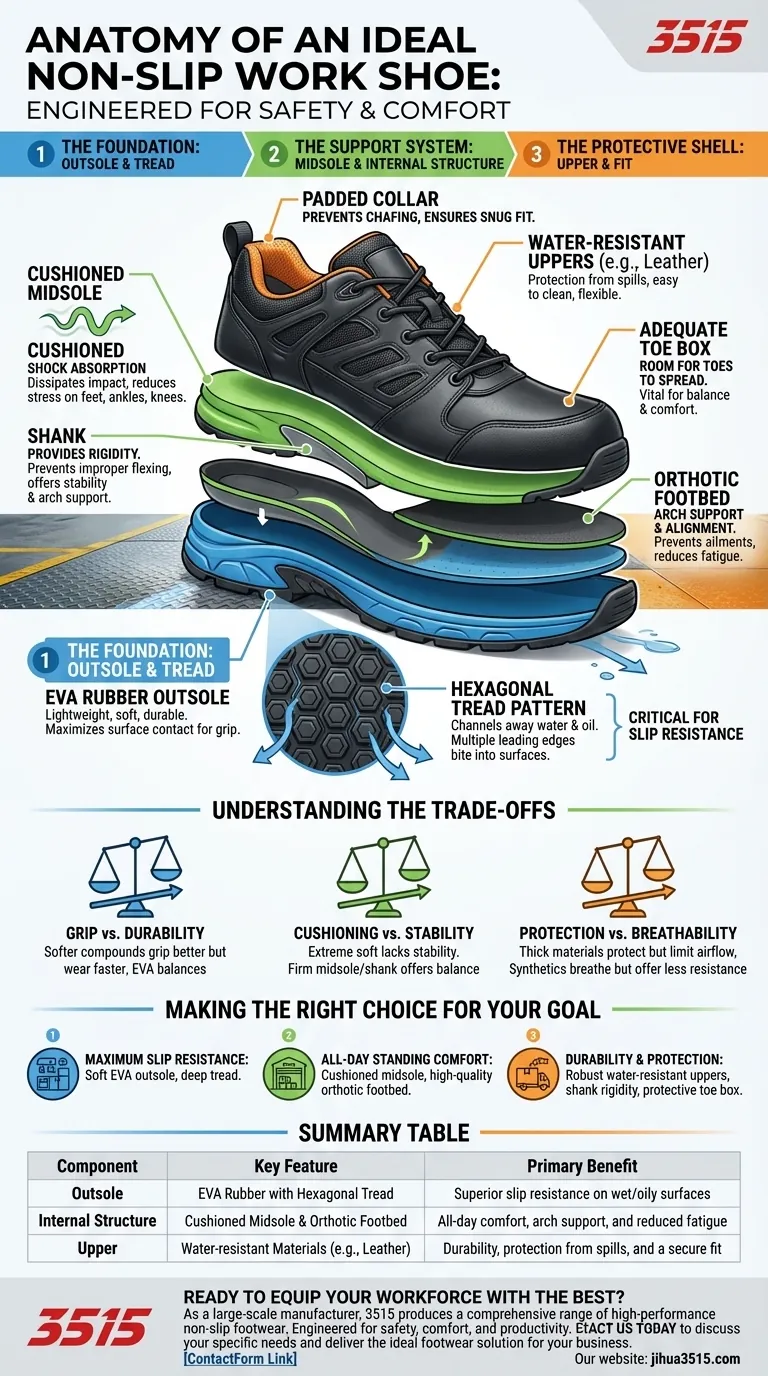
An ideal non-slip work shoe is a precisely engineered system combining a specialized outsole, a supportive internal structure, and a protective upper. Key components include a durable EVA rubber outsole with a hexagonal tread pattern for grip, an orthotic footbed with arch support, a cushioned midsole for shock absorption, and water-resistant uppers for protection.
The best non-slip shoe isn't just about the tread on the bottom. It's a balanced system where the outsole provides grip, the internal structure provides support, and the upper materials provide comfort and protection for long hours on your feet.
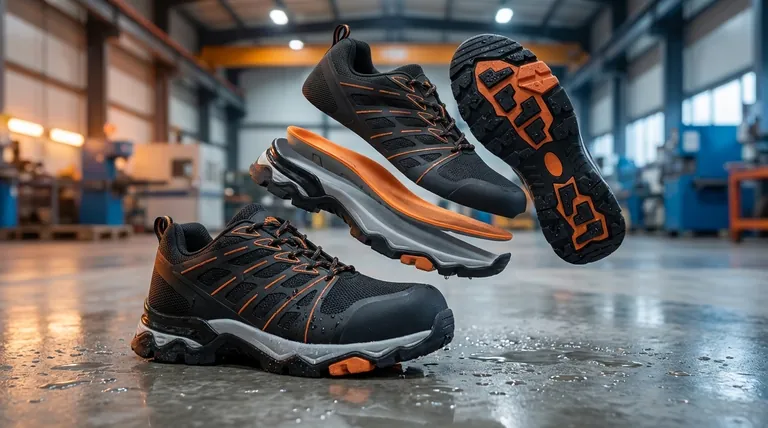
The Foundation: The Outsole and Tread
The outsole is your primary point of contact with the floor, making its design the most critical factor for slip resistance.
Material Matters: EVA Rubber
An ideal outsole is made from EVA (ethylene-vinyl acetate) rubber. This material provides a superior combination of being lightweight, soft, and exceptionally durable.
Unlike hard, stiff plastics, EVA rubber maintains enough flexibility to maximize surface contact, which is essential for grip.
The Critical Role of Tread Pattern
The pattern carved into the outsole is engineered to channel away liquids like water and oil. A non-slip hexagonal tread pattern is highly effective.
These patterns create multiple leading edges that bite into the floor surface while the channels disperse fluids, preventing a layer from forming between your shoe and the floor.
The Support System: Midsole and Internal Structure
True performance in a work shoe comes from the internal structure that supports your foot, reduces fatigue, and prevents pain over a long shift.
Cushioning with the Midsole
The midsole is the layer between the outsole and your foot, and its primary job is shock absorption. A well-cushioned midsole dissipates the impact of each step, reducing stress on your feet, ankles, and knees.
The Importance of Shank Rigidity
The shank is a supportive piece, often made of steel or composite material, located in the midsole under the arch of the foot.
Proper shank rigidity prevents the shoe from flexing in the wrong places, offering crucial stability and reducing strain on the arch.
Orthotic Footbeds and Arch Support
An orthotic footbed is a removable insole designed to support the natural contour of your foot.
Proper arch support is essential for aligning your foot correctly, which can prevent common ailments like plantar fasciitis and reduce overall body fatigue.
The Protective Shell: The Upper and Fit
The upper part of the shoe protects you from the environment while ensuring a secure and comfortable fit.
Uppers: Balancing Protection and Flexibility
The best uppers are made of water- and stain-resistant materials, such as treated smooth leather.
This provides protection from spills and is easy to clean, while still offering enough flexibility to move naturally with your foot without causing irritation.
Why the Toe Box and Collar Matter
An adequate toe box provides enough room for your toes to spread out naturally, which is vital for balance and preventing conditions like bunions.
A padded collar around the ankle prevents chafing and provides a snug, secure fit, reducing the chance of your heel slipping inside the shoe.
Understanding the Trade-offs
Selecting the right shoe always involves balancing competing features. Understanding these trade-offs is key to making an informed choice.
Grip vs. Durability
Softer rubber compounds offer superior grip, especially on wet or oily surfaces, but they tend to wear out faster than harder compounds. The ideal shoe uses a durable compound like EVA that balances these two needs.
Cushioning vs. Stability
Extremely soft, cushioned shoes can feel comfortable initially but may lack the stability needed for tasks that require quick movements. A shoe with a firm midsole and good shank rigidity offers better balance and support.
Protection vs. Breathability
Highly durable and water-resistant uppers, like thick leather, offer maximum protection but can limit airflow. Lighter, synthetic materials may be more breathable but offer less resistance to spills and impact.
Making the Right Choice for Your Goal
Select your shoe based on the most demanding aspect of your workday.
- If your primary focus is maximum slip resistance (e.g., kitchens, hospitals): Prioritize a soft EVA rubber outsole with a deep, liquid-channeling tread pattern.
- If your primary focus is all-day standing comfort (e.g., retail, warehousing): Emphasize a cushioned midsole paired with a high-quality orthotic footbed for arch support.
- If your primary focus is durability and protection (e.g., workshops, delivery): Look for robust, water-resistant uppers and ensure the shoe has adequate shank rigidity and a protective toe box.
Choosing the right work shoe is an investment in your safety and well-being.
Summary Table:
| Component | Key Feature | Primary Benefit |
|---|---|---|
| Outsole | EVA Rubber with Hexagonal Tread | Superior slip resistance on wet/oily surfaces |
| Internal Structure | Cushioned Midsole & Orthotic Footbed | All-day comfort, arch support, and reduced fatigue |
| Upper | Water-resistant Materials (e.g., Leather) | Durability, protection from spills, and a secure fit |
Ready to equip your workforce with the best?
As a large-scale manufacturer, 3515 produces a comprehensive range of high-performance non-slip footwear for distributors, brand owners, and bulk clients. Our production capabilities encompass all types of safety shoes and boots, engineered with the precise components detailed above to ensure worker safety, comfort, and productivity.
Contact us today to discuss your specific needs and discover how we can deliver the ideal footwear solution for your business.
Visual Guide
Related Products
- Wholesale Premium Waterproof Nubuck Safety Shoes Boots
- Durable Leather Moc Toe Work Boots for Wholesale & Custom Manufacturing
- Wholesale Durable 6-Inch Work Boots | Custom & Private Label Manufacturer
- Durable Goodyear Welt Leather Work Boots for Wholesale & Private Label
- Premium Suede Sport Safety Shoes for Wholesale & Bulk Orders
People Also Ask
- Why are waterproof safety boots recommended for certain work environments? Essential Protection for Wet & Hazardous Jobs
- What materials are commonly used in waterproof boots? The Complete Guide to Durable, Breathable Protection
- What are the drawbacks of waterproof boots? The Breathability vs. Protection Trade-Off
- What is the advantage of one-piece construction in waterproof boots? Unbeatable Seamless Protection
- What is the difference between waterproof, water-resistant, and water-repellent boots? Choose the Right Protection for Your Feet