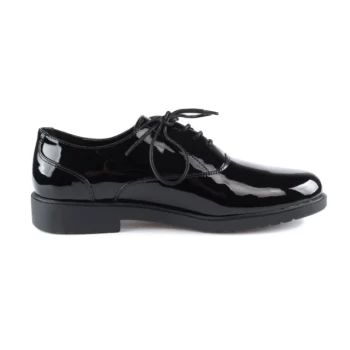
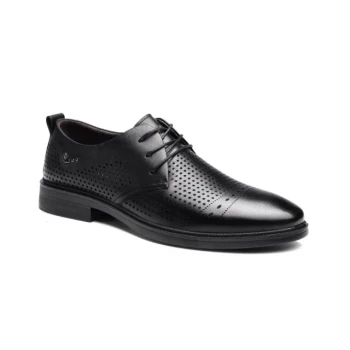
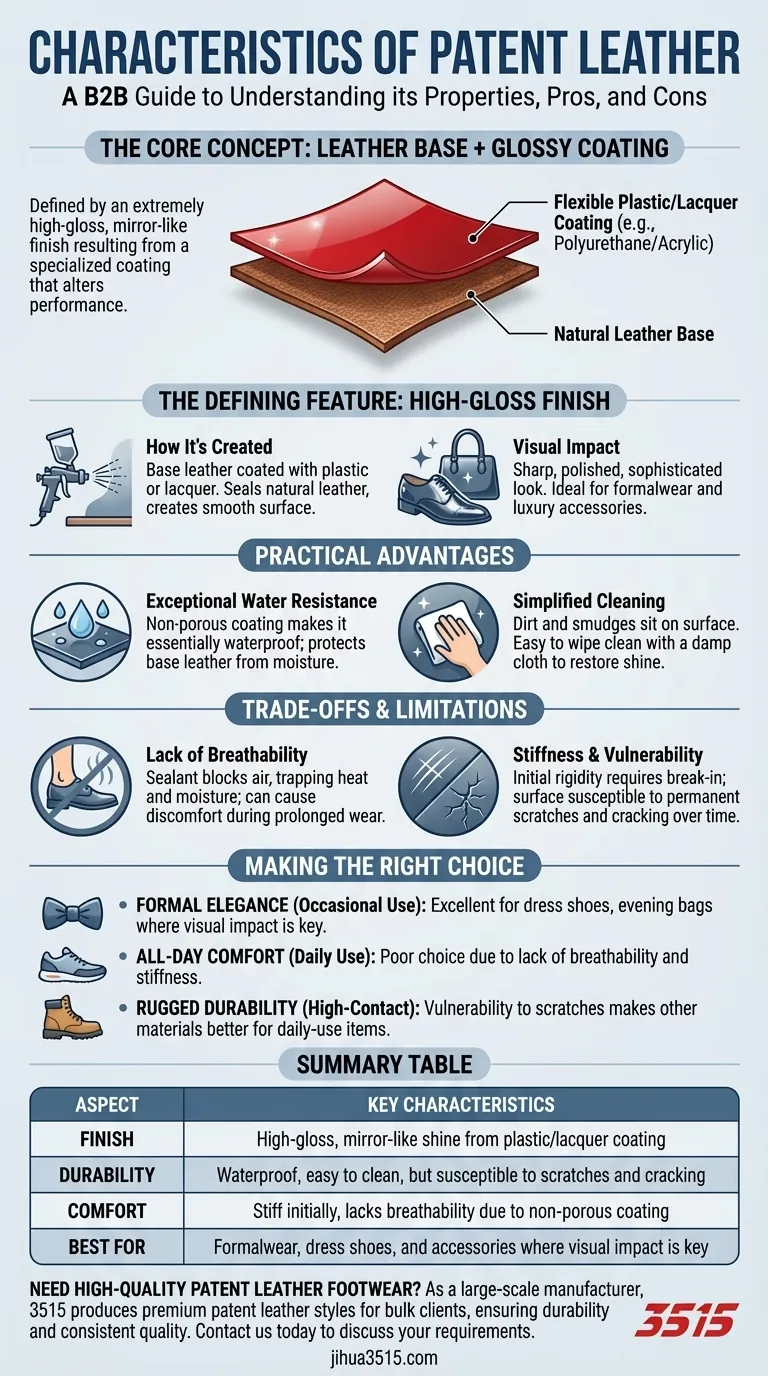
At its core, patent leather is defined by its signature characteristic: an extremely high-gloss, mirror-like finish. This finish is not inherent to the leather itself but is the result of a specialized coating. While this gives it a uniquely formal and clean appearance, it also fundamentally changes the material's performance in terms of comfort, durability, and care.
The key to understanding patent leather is to see it not as a type of leather, but as a leather base with a flexible, plastic-like coating. This single fact explains all of its advantages—from water resistance to its elegant shine—and all of its disadvantages, including its lack of breathability and vulnerability to certain types of damage.
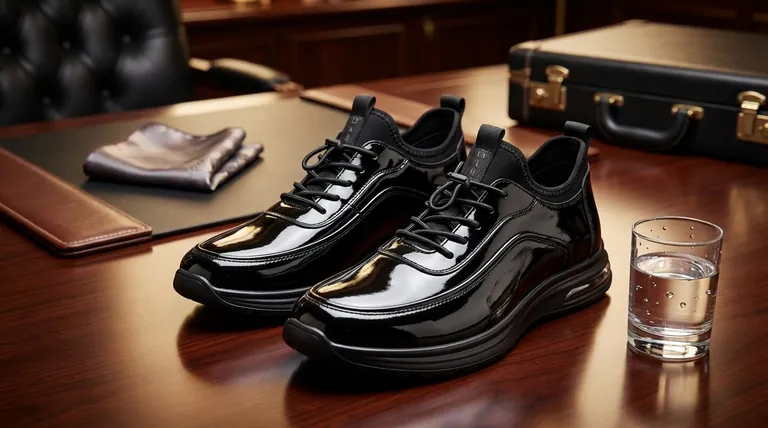
The Defining Feature: The High-Gloss Finish
The visual appeal of patent leather is its most prominent trait, making it a staple for formalwear and statement accessories. This look is the direct result of how the material is manufactured.
How the Finish is Created
Patent leather starts with a base layer of leather, which is then coated with a layer of plastic or lacquer, typically polyurethane or acrylic. This coating is what gives the material its characteristic shine and perfectly smooth surface. It effectively seals the natural leather underneath.
The Visual Impact
This glossy finish provides a sharp, polished, and sophisticated look that is difficult to achieve with other materials. It is most commonly associated with formal dress shoes, clutches, and luxury handbags where a high-impact, elegant aesthetic is desired.
The Practical Advantages of the Coating
The protective layer applied to patent leather offers several functional benefits, particularly concerning maintenance and resistance to the elements.
Exceptional Water Resistance
The plastic coating is non-porous, making patent leather essentially waterproof. Water and other liquids will bead and roll off the surface rather than soaking in, protecting the leather underneath from moisture damage.
Simplified Cleaning
Unlike natural, porous leathers, dirt and smudges sit on top of the glossy finish. This makes patent leather remarkably easy to clean; a quick wipe with a damp cloth is often all that is needed to restore its shine.
Understanding the Trade-offs and Limitations
The same coating that provides the shine and water resistance also introduces a distinct set of drawbacks. Acknowledging these trade-offs is crucial for choosing the right product for your needs.
Lack of Breathability
The sealant that blocks water also blocks air. This means patent leather does not breathe, which can trap heat and moisture. In footwear, this can lead to discomfort during prolonged wear.
Initial Stiffness
The plastic coating makes the material significantly more rigid than untreated leather. Patent leather shoes, in particular, often feel stiff at first and may require a break-in period to become comfortable.
Susceptibility to Scratches and Cracking
While the surface is durable against moisture and stains, it can be delicate in other ways. Sharp objects can leave permanent scratches in the glossy finish that are very noticeable and difficult to repair. Over time and with repeated flexing, the coating can also develop cracks, especially in lower-quality versions.
Making the Right Choice for Your Needs
To decide if patent leather is the right choice, align its unique characteristics with your primary goal.
- If your primary focus is formal elegance for occasional use: Patent leather is an excellent choice for items like dress shoes or evening bags where visual impact is more important than all-day comfort.
- If your primary focus is all-day comfort: The lack of breathability and initial stiffness make it a poor choice for everyday footwear or items worn close to the skin for long periods.
- If your primary focus is rugged, low-maintenance durability: While easy to wipe clean, its vulnerability to permanent scratches makes other materials a better option for high-contact, daily-use items.
By understanding that patent leather's properties stem from its coating, you can leverage its unique style while respecting its practical limitations.
Summary Table:
| Aspect | Key Characteristics |
|---|---|
| Finish | High-gloss, mirror-like shine from a plastic/lacquer coating |
| Durability | Waterproof and easy to clean, but susceptible to scratches and cracking |
| Comfort | Stiff initially and lacks breathability due to the non-porous coating |
| Best For | Formalwear, dress shoes, and accessories where visual impact is key |
Need high-quality patent leather footwear for your collection?
As a large-scale manufacturer, 3515 produces a comprehensive range of footwear for distributors, brand owners, and bulk clients. Our production capabilities encompass all types of formal shoes and boots, including premium patent leather styles. We ensure durability, consistent quality, and styles that meet market demands.
Contact us today to discuss your bulk order requirements and elevate your product line.
Visual Guide
Related Products
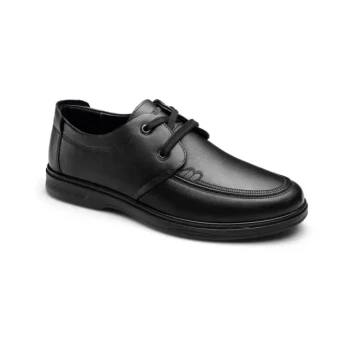
- Wholesale Patent Oxford Dress Shoes | Custom & Bulk Manufacturing
- Wholesale Leather Apron Toe Derby Shoes Custom Factory Production
- Wholesale Leather Ankle Boots with Lug Soles for Custom Brand Manufacturing
- Durable Goodyear Welt Leather Work Boots for Wholesale & Private Label
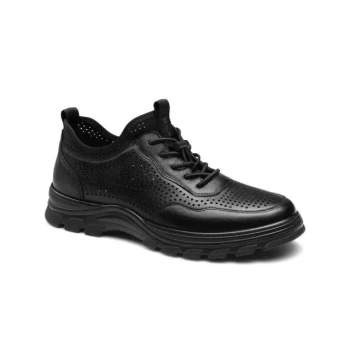
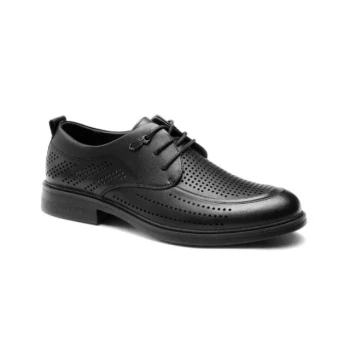
- Wholesale Modern Perforated Leather Derby Shoes with Chunky Sole for Custom Branding
People Also Ask
- What are the key characteristics of Oxford dress shoes? A Guide to Timeless Formal Footwear
- How do Oxfords and Derbies differ in terms of lacing and formality? A Guide to Choosing the Right Shoe
- What is the origin of the Oxford shoe? From 1800s University Boots to Modern Elegance
- How do Oxford Shoes differ from other casual shoes? The Ultimate Guide to Lacing & Formality
- What makes Oxford shoes suitable for business casual settings? Master the Art of Professional Style