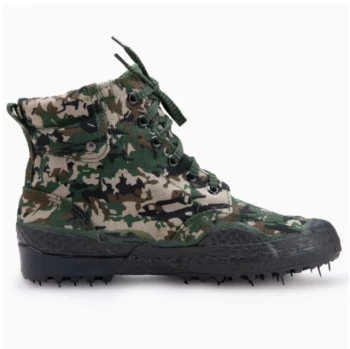
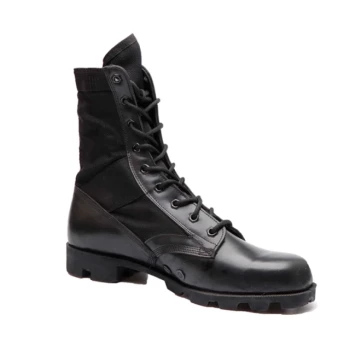
At their core, day-hiking boots are a specialized tool designed to balance support and agility for specific outdoor adventures. They are typically mid- to high-cut models that are more flexible and lighter than their heavy-duty counterparts, requiring less break-in time. This design makes them ideal for single-day hikes or short backpacking trips carrying a light load.
The crucial insight is that day-hiking boots occupy a middle ground. They offer more ankle support and durability than a low-cut hiking shoe but sacrifice the robust support and long-term durability of a true backpacking boot to save weight and increase flexibility.

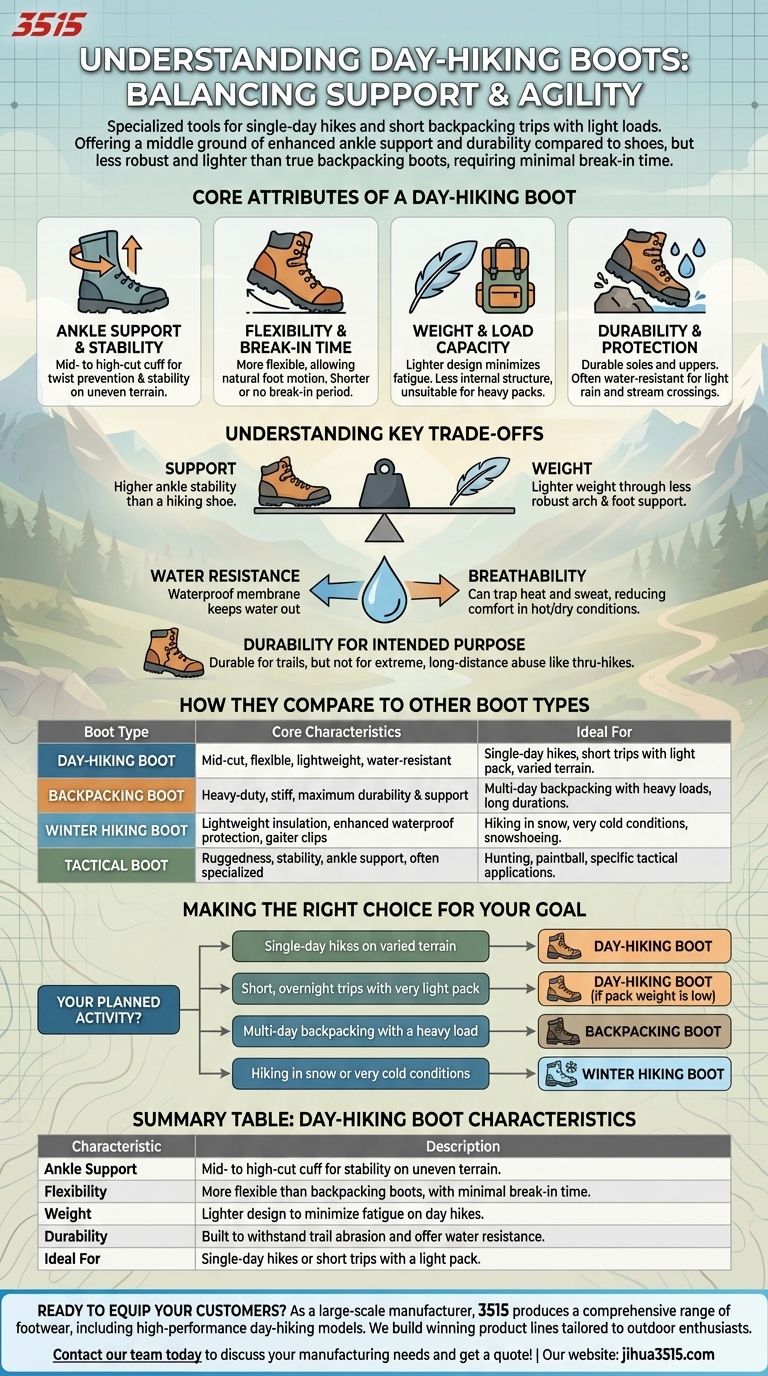
Core Attributes of a Day-Hiking Boot
Day-hiking boots are defined by a specific combination of features tailored for shorter, less demanding trips on established trails.
Ankle Support and Stability
The signature feature of a day-hiking boot is its mid- or high-cut cuff. This design provides significant ankle support, which is critical for preventing twists and maintaining stability on uneven or rocky terrain.
Flexibility and Break-in Time
Compared to stiff, heavy backpacking boots, day-hiking models are far more flexible. This flexibility allows for a more natural foot motion and means they require a much shorter, if any, break-in period before they feel comfortable on the trail.
Weight and Load Capacity
These boots are intentionally lighter than backpacking boots. This reduced weight minimizes fatigue on full-day hikes but comes with a trade-off: they have less internal structure and arch support, making them unsuitable for carrying heavy packs.
Durability and Protection
Day-hiking boots feature durable soles and uppers capable of withstanding the abrasion of dirt and rock. Most models also offer a degree of water resistance to keep your feet dry from light rain or stream crossings.
Understanding the Key Trade-offs
Choosing a day-hiking boot means accepting a set of compromises. Understanding these trade-offs is essential to ensure you select the right footwear for your specific needs.
Support vs. Weight
The primary trade-off is support for weight. While a day-hiking boot provides more ankle stability than a hiking shoe, it achieves its lighter weight by having less robust arch and foot support than a backpacking boot. This is why they are not recommended for multi-day trips with heavy loads.
Water Resistance vs. Breathability
Many day-hiking boots include a waterproof membrane. While excellent for keeping water out, these membranes can trap heat and sweat, reducing breathability. This can lead to discomfort in hot and dry conditions.
Durability for the Intended Purpose
While built to be durable for trail use, they are not designed for the extreme, sustained abuse of a long-distance thru-hike. The materials and construction are simply not as rugged as those found in boots built for serious backpacking.
How They Compare to Other Boot Types
Placing day-hiking boots in context with other outdoor footwear clarifies their specific role.
vs. Backpacking Boots
Backpacking boots are the heavy-duty option. They are stiffer, heavier, and built with maximum durability and support to handle the immense stress of carrying a heavy pack for days or weeks at a time.
vs. Winter Hiking Boots
Winter boots are a specialized category. They add lightweight insulation and enhanced waterproof protection to keep feet warm and dry in snow and cold. Many also include features like gaiter clips for snowshoeing.
vs. Tactical Boots
Tactical boots are built for ruggedness, stability, and ankle support, often used in activities like hunting or paintball. While they share some features, their design focus may differ from the trail-specific comfort and performance of a dedicated hiking boot.
Making the Right Choice for Your Goal
Select your footwear based on the demands of your planned activity, not just the label on the box.
- If your primary focus is single-day hikes on varied terrain: A day-hiking boot is the perfect choice, offering an ideal blend of support and comfort.
- If your primary focus is short, overnight trips with a very light pack: A day-hiking boot can work well, provided your total pack weight remains low.
- If your primary focus is multi-day backpacking with a heavy load: You must choose a dedicated backpacking boot for the necessary support and durability.
- If your primary focus is hiking in snow or very cold conditions: You need a specialized, insulated winter hiking boot to ensure safety and warmth.
Ultimately, matching the boot's intended purpose to your own adventure is the key to a successful day on the trail.
Summary Table:
| Characteristic | Description |
|---|---|
| Ankle Support | Mid- to high-cut cuff for stability on uneven terrain. |
| Flexibility | More flexible than backpacking boots, with minimal break-in time. |
| Weight | Lighter design to minimize fatigue on day hikes. |
| Durability | Built to withstand trail abrasion and offer water resistance. |
| Ideal For | Single-day hikes or short trips with a light pack. |
Ready to equip your customers with the perfect day-hiking boots?
As a large-scale manufacturer, 3515 produces a comprehensive range of footwear for distributors, brand owners, and bulk clients. Our production capabilities encompass all types of shoes and boots, including high-performance day-hiking models designed for comfort, support, and durability. We can help you build a winning product line tailored to today's outdoor enthusiasts.
Contact our team today to discuss your manufacturing needs and get a quote!
Visual Guide
Related Products
- Wholesale High-Traction Camo Boots - Custom Manufacturer for Brands
- Durable Rubber Sole Outdoor Shoes Wholesale & Custom Manufacturing
- Durable Spiked Camouflage Boots Wholesale & Factory Production
- Wholesale Lightweight Tactical Boots Custom Manufacturer for Desert & Combat Use
- Wholesale Waterproof Tactical Boots Custom Suede & High-Traction Soles
People Also Ask
- What are the key features of the new line of camo boots? Built for Extreme Cold & Rugged Terrain
- Are camo boots necessary for hunting success? Prioritize Performance Over Pattern
- What is the technical logic behind using closed-eye testing for tactical boots? Unlocking Peak Footwear Stability
- How does the Rank Score Test identify the primary causes of premature failure in tactical and work boots? Key Insights
- What shoes to wear for a security job? Durable, Protective Footwear for Long Shifts