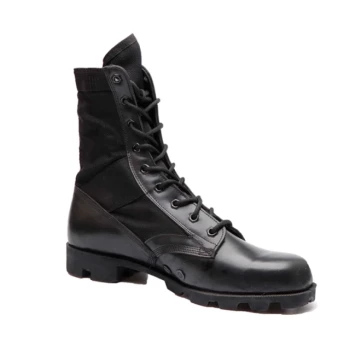
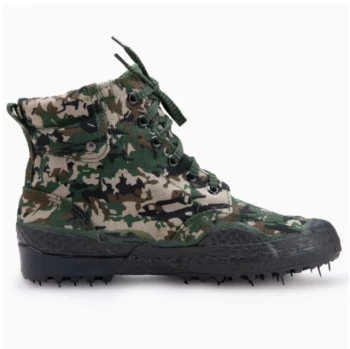
In warm, humid hunting environments, the right boots prioritize breathability and moisture management above all else. Unlike cold-weather gear, the goal is not to trap heat but to actively expel it, preventing the excessive sweating that leads to blisters, discomfort, and fungal infections.
The primary challenge in warm, humid climates is not external moisture, but internal moisture from sweat. Your boot selection must focus on maximizing airflow and wicking sweat away from the skin to prevent overheating and the painful foot conditions that can end a hunt early.
The Core Problem: Managing Internal Moisture
In hot weather, your feet become a primary tool for regulating body temperature. Choosing the wrong boot traps this heat and creates a cascade of problems that begin with sweat.
Why Overheating is the Real Enemy
Your feet have a high concentration of sweat glands. When trapped inside a non-breathable boot, the heat your body generates has nowhere to go. This signals your feet to sweat even more in an attempt to cool down.
The Vicious Cycle of Sweat
Excessive, trapped sweat softens the skin, making it extremely vulnerable to friction. This combination is the perfect recipe for hot spots and blisters. Furthermore, a constantly damp, warm environment is the ideal breeding ground for fungus and bacteria.
The Limits of "Waterproof" in Humidity
While waterproof membranes are excellent for keeping external water out, they can be counterproductive in high heat and humidity. These membranes have microscopic pores designed to let water vapor (sweat) escape, but in very humid conditions, their effectiveness drops significantly, trapping heat and moisture inside.
Key Boot Features for Warm, Humid Climates
Focus your search on features designed for ventilation and moisture transport, not insulation.
Prioritize Breathable Uppers
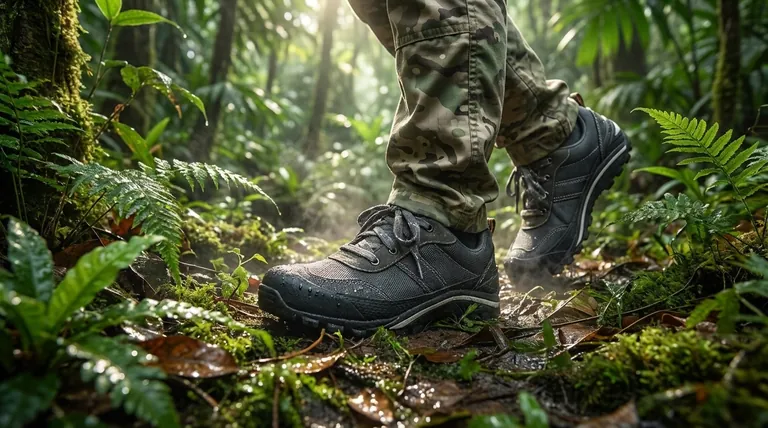
Look for boots made from materials that breathe well. Nylon fabric, mesh panels, and perforated or uninsulated leather are far superior to heavily treated, thick leathers for warm conditions.
Minimal to No Insulation
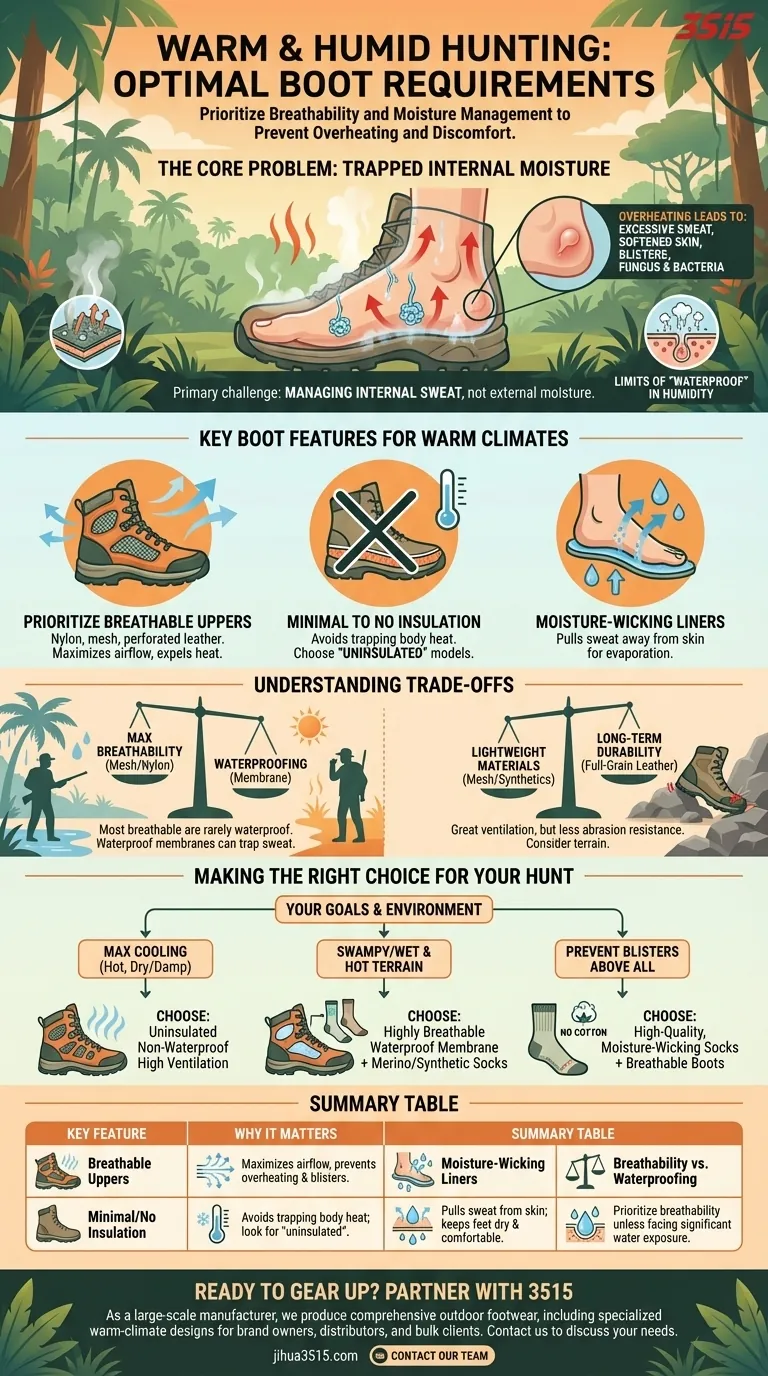
Insulation is the enemy in a hot climate. Ensure the boots you choose have zero or minimal insulation (sometimes listed as "uninsulated"). Any amount of insulation will trap unnecessary heat and work against your goal of keeping your feet cool.
Moisture-Wicking Liners
The material on the inside of the boot is critical. A high-quality liner will pull sweat away from your skin and spread it across a larger surface area to help it evaporate and exit the boot through the breathable upper.
Understanding the Trade-offs
Selecting the right boot always involves balancing competing needs. Being aware of these compromises is key to making an informed decision.
Breathability vs. Waterproofing
The most breathable boots are typically not waterproof. If you are hunting in a dewy field or crossing a very shallow creek, they might suffice. However, if you anticipate significant water exposure, you will have to sacrifice some breathability for a waterproof membrane, understanding that you must manage internal sweat more carefully.
Durability of Lightweight Materials
Highly breathable boots often use lightweight synthetic fabrics and mesh. While excellent for ventilation, these materials may not offer the same long-term durability or protection against abrasion as a traditional full-grain leather boot. Consider the ruggedness of your terrain when making your choice.
Making the Right Choice for Your Hunt
Your specific environment and goals will determine the perfect balance of features.
- If your primary focus is maximum cooling on hot, dry-to-damp hunts: Choose an uninsulated, non-waterproof boot with extensive nylon or mesh panels to maximize airflow.
- If your primary focus is navigating swampy or very wet but hot terrain: Select a boot with a highly breathable waterproof membrane and pair it with an excellent merino wool or synthetic sock system to aggressively manage internal sweat.
- If your primary focus is preventing blisters above all else: Remember that your socks are as important as your boots. Never wear cotton and choose a high-quality, moisture-wicking sock to keep your skin as dry as possible.
Ultimately, keeping your feet dry from the inside out is the key to a successful hunt in the heat.
Summary Table:
| Key Feature | Why It Matters for Warm & Humid Climates |
|---|---|
| Breathable Uppers | Maximizes airflow to expel heat and sweat, preventing overheating and blisters. |
| Minimal to No Insulation | Avoids trapping body heat; look for "uninsulated" boots. |
| Moisture-Wicking Liners | Pulls sweat away from skin to keep feet dry and comfortable. |
| Breathability vs. Waterproofing | Waterproof membranes can trap moisture in high humidity; prioritize breathability unless facing significant water exposure. |
Ready to Gear Up for Your Next Hunt?
As a large-scale manufacturer, 3515 produces a comprehensive range of hunting and outdoor footwear for distributors, brand owners, and bulk clients. Our production capabilities encompass all types of boots, including specialized designs for warm, humid conditions that prioritize breathability, durability, and comfort.
Let us help you equip your customers with the right gear. Contact our team today to discuss your specific needs and discover how we can support your business with high-quality, performance-driven footwear.
Visual Guide
Related Products
- Wholesale Lightweight Tactical Boots Custom Manufacturer for Desert & Combat Use
- High-Traction Suede Tactical Boots Wholesale & Custom Manufacturing
- Durable Leather Tactical Boots Wholesale & Custom Manufacturing for Brands
- Durable Military Combat Boots with Water Drainage for Wholesale & OEM
- Wholesale Waterproof Tactical Boots Custom Suede & High-Traction Soles
People Also Ask
- What are the common types of combat boots? Find the Right Boot for Your Mission
- What specialized protections do tactical boots offer? Maximize Endurance with High-Performance Footwear
- How is the compatibility of polymer materials demonstrated in smart footwear? Enhancing Tactical & Training Performance
- What are the different types of tactical boots available? Find the Right Boot for Your Mission
- How does additive manufacturing equipment reduce environmental risks? Sustainable Tactics for Modern Footwear Production