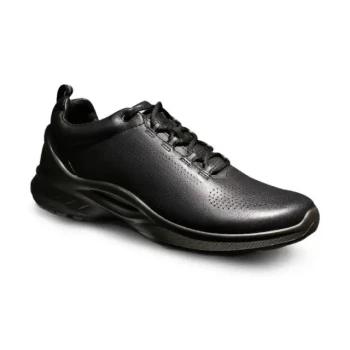
The best shoe for standing all day is not a single brand or model, but one that combines three critical features: supportive structure, ample cushioning, and a fit that accommodates your specific foot shape and work environment. While models like the Hoka Transport or Asics Gel-Nimbus are often recommended, the ideal choice depends on understanding the principles behind all-day comfort.
The core challenge is finding a shoe that perfectly balances shock-absorbing cushion with the structural support needed to maintain proper body alignment. Focusing on these foundational features—rather than brand names alone—is the key to eliminating pain and fatigue.
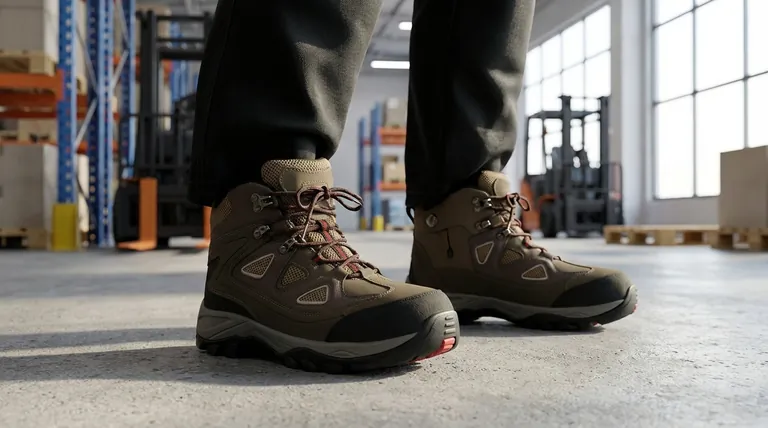
The Anatomy of an All-Day Shoe
To make an informed decision, you must first understand the essential components that separate an adequate shoe from an exceptional one. These features work together to protect your body from the ground up.
Cushioning and Shock Absorption
The foundation of comfort is cushioning. Look for materials like EVA foam or gel designed specifically for shock absorption, which is critical for protecting your joints when standing on hard surfaces like concrete. This feature directly reduces the impact that travels up your legs and spine with every step.
Essential Arch Support
Proper arch support is non-negotiable. A contoured footbed helps distribute your weight evenly across your foot, maintaining proper alignment and preventing conditions like plantar fasciitis. If a shoe you otherwise like lacks this, you can often add a separate orthotic insert for maximum comfort.
A Wide, Stable Platform
The width of the shoe's sole provides your base of stability. A wider platform prevents your foot from rolling inward or outward, reducing strain on your ankles and knees. This is a key factor in feeling secure and balanced throughout a long shift.
The Importance of a Proper Fit
A shoe must fit correctly to perform its job. There should be sufficient room in the toe box to prevent cramping and accommodate the natural swelling that occurs over a long day. A good rule of thumb is to shop for shoes later in the day when your feet are at their largest.
Additionally, the heel should have a slight elevation—at least 1/4-inch but less than 2 inches—to maintain a healthy posture without putting excessive pressure on the ball of your foot.
Matching the Shoe to Your Environment
The "best" shoe is also one that is appropriate for your specific workplace. General comfort features must be paired with any job-specific safety requirements.
Workplace Safety Requirements
Many professions have non-negotiable footwear standards. These can include slip-resistant outsoles for wet surfaces, steel or safety toes to protect against crushing incidents, or chemical-resistant materials for lab work. Always confirm your workplace requirements first.
Material and Breathability
The shoe's upper material dictates its breathability and durability. Materials like mesh offer excellent airflow to keep your feet cool and dry. For environments that require more protection or are easier to clean, full-grain leather is a durable, breathable option.
Understanding the Trade-offs
Choosing the right shoe involves balancing competing priorities. Being aware of these trade-offs will help you avoid common pitfalls.
Cushioning vs. Stability
While plush cushioning feels comfortable initially, excessive softness can lead to instability. The ideal shoe has enough cushion to absorb impact but is firm enough to provide a stable platform for your foot, preventing muscle fatigue from over-correction.
Durability vs. Weight
Heavier, more robust materials often provide greater durability and protection but can also lead to fatigue over a long day. A lightweight design is crucial for reducing the energy you expend with each step, but be sure it's still made from high-quality materials that resist wear and tear.
When to Replace Your Shoes
Even the best shoes wear out. Plan to replace your work shoes every 6 to 12 months, depending on your usage. Key signs of wear include a visible loss of tread, compressed cushioning that no longer feels supportive, or uneven wear patterns on the sole.
Making the Right Choice for Your Goal
Your specific needs should guide your final decision. Use your primary goal to prioritize which features matter most to you.
- If your primary focus is maximum comfort on hard surfaces: Prioritize shoes with exceptional shock absorption and a thick, cushioned midsole made of high-quality foam or gel.
- If your primary focus is preventing foot pain like plantar fasciitis: Emphasize structured arch support and a stable, cradled heel, and be prepared to add a specialized orthotic insert if needed.
- If your primary focus is safety and compliance: Your first step is to identify shoes that meet all workplace requirements for slip resistance, toe protection, or other mandated features.
- If your primary focus is staying agile and energized: Look for a lightweight design with a breathable upper to reduce fatigue and keep your feet comfortable in a fast-paced environment.
Investing in the right footwear is a direct investment in your daily comfort, long-term health, and overall productivity.
Summary Table:
| Key Feature | Why It Matters | What to Look For |
|---|---|---|
| Cushioning & Shock Absorption | Protects joints from impact on hard surfaces. | EVA foam or gel midsoles. |
| Arch Support | Distributes weight evenly, prevents pain. | Contoured footbed or room for orthotics. |
| Stable Platform | Prevents rolling, reduces ankle/knee strain. | Wide sole for better balance. |
| Proper Fit | Accommodates natural swelling, prevents cramping. | Ample toe box, snug heel. |
| Job-Specific Safety | Meets workplace requirements. | Slip-resistant soles, steel toes, etc. |
Ready to Equip Your Team with Superior All-Day Comfort?
As a large-scale manufacturer, 3515 produces a comprehensive range of durable, comfortable footwear designed for professionals who are on their feet all day. We offer custom solutions for distributors, brand owners, and bulk clients, ensuring your teams have the supportive structure, cushioning, and safety features they need to stay productive and pain-free.
Let's discuss your specific requirements and explore how our production capabilities can deliver the perfect footwear for your needs.
Contact us today for a consultation
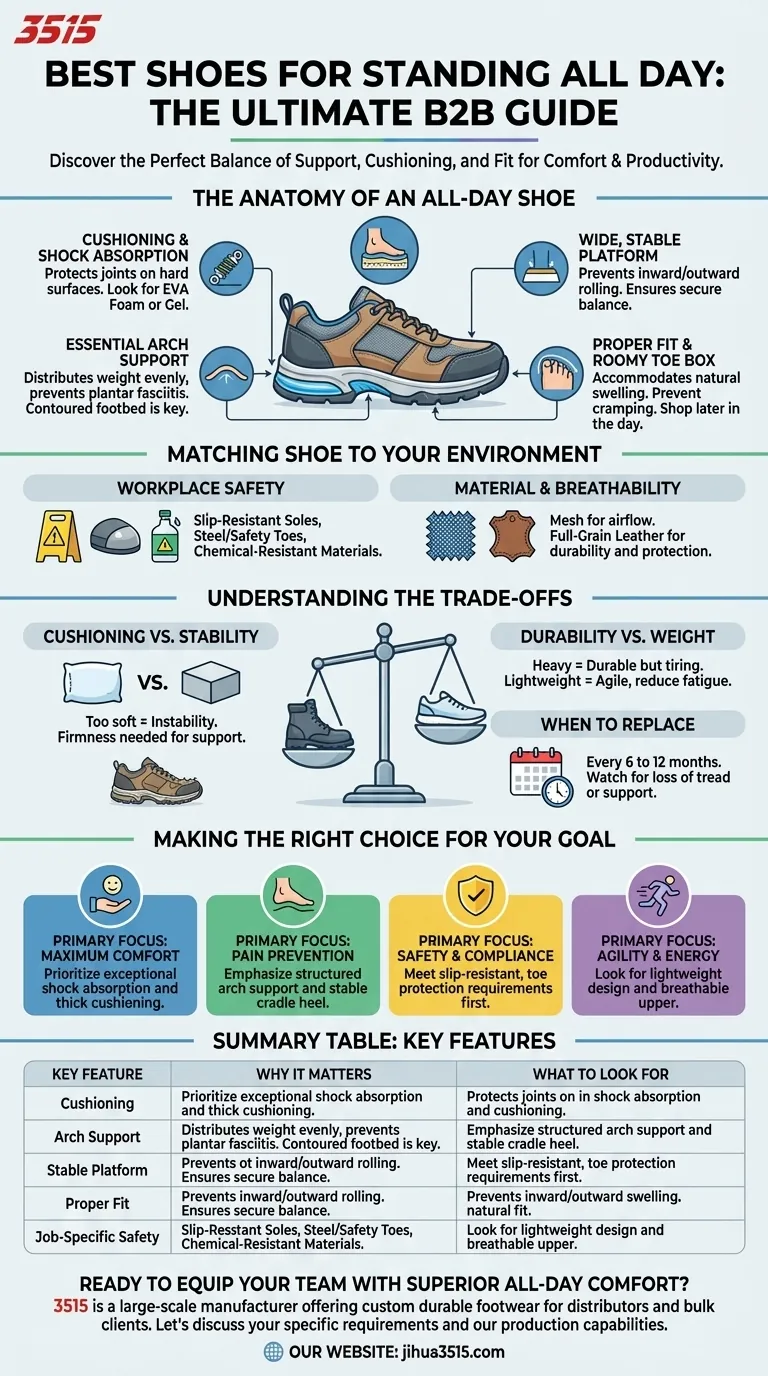
Visual Guide
Related Products
- Wholesale Modern Comfort Shoes with Dial Closure for Private Label & Bulk Orders
- Wholesale Comfort Dress Shoes with Dial Closure for Custom Manufacturing
- Wholesale Comfortable Business Casual Shoes Custom Manufacturing
- Wholesale Breathable Perforated Leather Derby Shoes with Modern Comfort Sole
- Wholesale Leather Business Casual Shoes with Dial Closure - Manufacturer of Comfort Dress Sneakers
People Also Ask
- Why is comfort important when selecting shoes? The Key to Long-Term Health and Performance
- Why is maximum comfort important in shoes? Prevent Pain & Long-Term Injury
- What factors should be considered when buying shoes for comfort? Get the Perfect Fit for All-Day Wear
- What kind of shoes do businessmen wear? Master the Dress Code for Professional Success
- What are the essential business shoes every man should own? Build a Professional Wardrobe Foundation