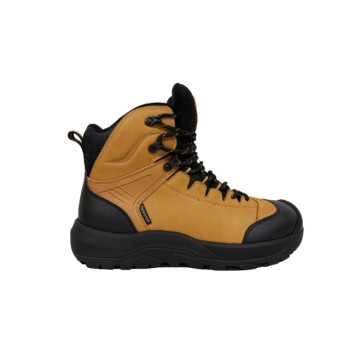
In short, wool or shearling insulation offers exceptional natural warmth combined with a distinctively soft, plush comfort. These natural fibers are highly effective at trapping body heat, making them a popular choice for everything from casual winter boots to more rugged cold-weather footwear.
The primary benefit of wool and shearling lies in their ability to provide significant warmth without sacrificing comfort. However, understanding how they compare to synthetic options is key to choosing the right boot for your specific activity level and climate.
The Fundamental Role of Insulation
Insulation in winter boots isn't about generating heat; it's about preventing the heat your body naturally produces from escaping. It creates a thermal barrier between your foot and the cold outside air.
Trapping Body Heat
All boot insulation works by creating thousands of tiny air pockets within the material. Your body heat warms the air in these pockets, and the material traps that warmed air, keeping your feet at a stable, comfortable temperature.
The Importance of Balance
The goal is to find the right balance. Insufficient insulation will leave your feet cold, affecting your overall body temperature and comfort. Conversely, too much insulation for your activity level can cause your feet to overheat and sweat, which can ironically lead to cold, damp feet and blisters.
A Barrier from the Cold Ground
Insulation is not just in the lining around your foot. Thicker outsoles, insulated midsoles, and specialized footbeds all work together to create a crucial barrier that stops the cold from seeping up from the frozen ground.
The Unique Benefits of Natural Fibers: Wool and Shearling
While many insulation types exist, wool and shearling (which is simply sheepskin with the wool still attached) have unique properties that make them highly valued.
Exceptional Softness and Comfort
The most immediate benefit is their feel. The natural fibers are incredibly soft and pliable, providing a plush, comfortable environment for your feet. This is why they are often visible at the top of a boot's collar.
High-Performance Natural Warmth
The natural crimp and structure of wool fibers are extremely efficient at trapping air. This makes them powerful natural insulators that provide significant warmth without excessive high-tech processing.
Moisture and Odor Management
A key advantage of wool is its ability to absorb a significant amount of moisture vapor before it even feels wet. This helps manage sweat by wicking it away from your skin, keeping your feet drier and warmer. As a natural fiber, it is also inherently resistant to odor-causing bacteria.
Understanding the Trade-offs
While excellent, wool and shearling are not the perfect solution for every scenario. It's important to understand their limitations compared to modern synthetic alternatives.
Bulk and Weight
Natural shearling, in particular, can be bulkier than synthetic options like Thinsulate or Primaloft that are engineered to provide a similar level of warmth with less material. This can make the boot slightly heavier or more voluminous.
Performance When Saturated
If the boot's exterior fails and the insulation becomes completely soaked with water, wool can take longer to dry than many synthetics. A waterproof outer boot is critical to maximizing the benefits of a wool lining.
Comparison to Synthetics
Synthetic insulations are often measured in grams (e.g., 200g is a common standard for general winter activity). These materials are designed to offer a very high warmth-to-weight ratio and perform reliably even when damp, making them a frequent choice for high-performance or extreme-cold boots.
Making the Right Choice for Your Goal
Selecting the right insulation depends entirely on how you plan to use your boots.
- If your primary focus is casual wear and everyday warmth: Wool or shearling-lined boots are an outstanding choice, delivering top-tier comfort and reliable warmth for moderate winter conditions.
- If your primary focus is high-exertion activity (like winter hiking or snowshoeing): Consider a boot with a high-performance synthetic insulation that prioritizes breathability and a low-bulk fit to manage sweat effectively.
- If your primary focus is maximum warmth in extreme cold: Look for boots with higher insulation ratings (400g or more) or those that combine multiple technologies, such as a wool lining paired with an insulated footbed.
Ultimately, choosing the right insulation is about matching the material's properties to your specific needs, ensuring your feet remain warm, dry, and comfortable.
Summary Table:
| Feature | Wool/Shearling | Synthetic Insulation |
|---|---|---|
| Primary Benefit | Natural warmth & plush comfort | High warmth-to-weight ratio |
| Moisture Management | Wicks moisture, resists odor | Dries quickly when wet |
| Best For | Casual wear, everyday winter use | High-exertion activity, extreme cold |
| Consideration | Can be bulkier, slower to dry if soaked | Often lighter, less bulky |
Ready to source high-quality winter boots with the perfect insulation?
As a large-scale manufacturer, 3515 produces a comprehensive range of footwear for distributors, brand owners, and bulk clients. Our production capabilities encompass all types of insulated shoes and boots, ensuring your customers get the warmth, comfort, and performance they need.
Contact us today to discuss your winter boot requirements and leverage our manufacturing expertise.
Visual Guide

Related Products
- Premium Insulated Safety Boots and Shoes for Wholesale & Bulk Orders
- Durable Leather Tactical Boots Wholesale & Custom Manufacturing for Brands
- Durable Leather Work Boots for Wholesale & Custom Manufacturing
- Durable Leather Work Boots for Wholesale & Custom OEM Manufacturing
- Durable Leather Work Boots Wholesale Manufacturer & Custom Factory
People Also Ask
- What are the recommended insulation ratings for mild winter conditions? A Guide for Active & Stationary Workers
- How does insulation thickness correlate with temperature ranges? A Guide to Choosing the Right Warmth
- What insulation level is needed for severe cold and stationary work? 1200g or Higher is Essential
- What safety advantages do insulated boots offer beyond warmth? Dielectric Protection & Superior Grip
- How does fleece lining contribute to the warmth of insulated boots? Trapping Air for Superior Cold Protection