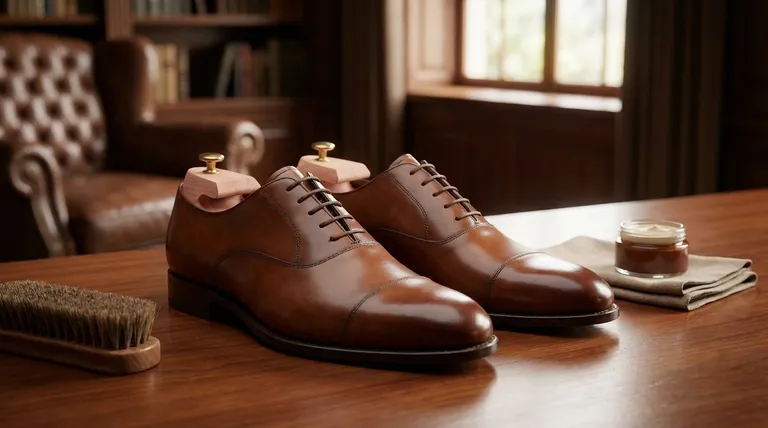
Shoe trees are the single most important tool for preserving your dress shoes. They are essential for maintaining the shoe's original shape, significantly reducing the deep creases that form from wear, and absorbing damaging moisture. By providing internal support and drawing out perspiration, they are the key to extending the life of any quality leather footwear.
The core problem is that daily wear, moisture, and gravity work together to break down a shoe's structure. A quality shoe tree directly counteracts these forces, acting as a preventative maintenance tool that preserves both the fit and appearance of your investment.
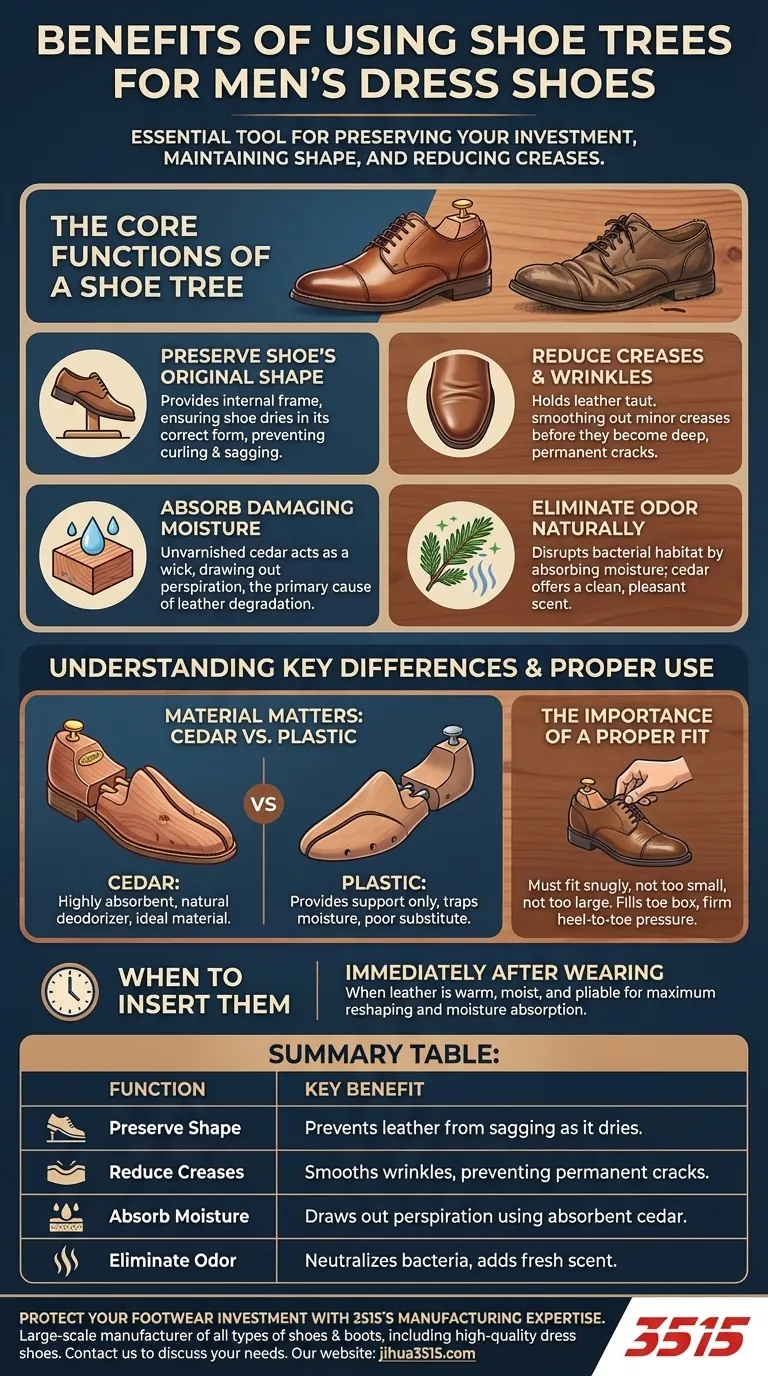
The Core Functions of a Shoe Tree
A shoe tree is far more than just a placeholder; it performs several critical functions that are essential for the long-term health of leather shoes. Understanding these roles clarifies why they are considered a necessity, not a luxury.
Preserving the Shoe's Original Shape
Leather is a natural skin that has memory. After a day of wear, the warmth and moisture from your foot make the leather pliable. As it cools and dries, it can sag and lose its intended form.
A shoe tree provides a solid internal frame, ensuring the shoe dries in its correct, original shape. This prevents the toe from curling upwards and the sides from collapsing.
Reducing Creases and Wrinkles
The constant flexing of your foot while walking inevitably creates creases across the vamp (the top part of the shoe). Over time, these creases can deepen into permanent wrinkles and eventually crack.
By holding the leather taut as it dries, a shoe tree smooths out these minor creases. This prevents them from setting deeply into the material, preserving a clean and polished appearance.
Absorbing Damaging Moisture
The most critical function of a shoe tree is moisture management. Your feet perspire throughout the day, releasing salt and acids into the shoe's leather lining.
This moisture is the primary cause of leather degradation and lining rot. A shoe tree made from unvarnished wood, particularly cedar, acts as a wick, drawing this moisture out of the leather far more effectively than air-drying alone.
Eliminating Odor Naturally
Shoe odor is caused by bacteria that thrive in dark, damp environments. By absorbing the moisture that these bacteria need to survive, a shoe tree fundamentally disrupts their habitat.
Aromatic woods like cedar offer the dual benefit of also imparting a clean, pleasant scent, further neutralizing any lingering odors.
Understanding Key Differences and Proper Use
Not all shoe trees are created equal, and their effectiveness depends on choosing the right material and using it correctly. Making the wrong choice can be ineffective or even counterproductive.
Material Matters: Cedar vs. Plastic
The ideal material for a shoe tree is unvarnished cedarwood. Cedar's porous nature makes it exceptionally absorbent, and its natural properties help to deodorize the shoe.
Plastic shoe trees only provide structural support. They do not absorb moisture and can, in fact, trap it inside the shoe, potentially accelerating the breakdown of the leather lining. They are a poor substitute for cedar.
The Importance of a Proper Fit
A shoe tree must fit snugly to be effective. It should fill out the toe box and provide firm, but not excessive, pressure from heel to toe.
A tree that is too small won't provide enough tension to smooth out creases. One that is too large or wide can stretch and permanently distort the leather.
When to Insert Them
For maximum benefit, you should insert shoe trees immediately after taking your shoes off. This is when the leather is at its most warm, moist, and pliable, making it the perfect time to reshape the shoe and begin drawing out moisture.
Making the Right Choice for Your Footwear
Applying this knowledge correctly will ensure you get the maximum return on your footwear investment.
- If your primary focus is protecting a new investment: Consider unvarnished cedar shoe trees a mandatory part of the purchase for any high-quality leather shoes.
- If your primary focus is restoring older shoes: While shoe trees cannot reverse deep cracks, they can help reshape and freshen footwear that has been stored improperly.
- If your primary focus is maximizing shoe lifespan: Consistently using shoe trees after every single wear is the most effective habit you can build to combat moisture and structural decay.
Proper care is the difference between a shoe that lasts a season and one that lasts a lifetime.
Summary Table:
| Function | Key Benefit |
|---|---|
| Preserve Shape | Prevents leather from sagging and losing form as it dries. |
| Reduce Creases | Smooths out wrinkles from wear, preventing permanent cracks. |
| Absorb Moisture | Draws out damaging perspiration using absorbent cedar wood. |
| Eliminate Odor | Neutralizes bacteria by removing moisture and adding a fresh scent. |
Protect Your Footwear Investment with 3515's Manufacturing Expertise
As a large-scale manufacturer, 3515 produces a comprehensive range of footwear for distributors, brand owners, and bulk clients. Our production capabilities encompass all types of shoes and boots, including high-quality dress shoes that deserve the best care.
Let us help you deliver durable, well-crafted footwear to your market. Contact our team today to discuss your manufacturing needs and how we can bring value to your business.
Visual Guide
Related Products
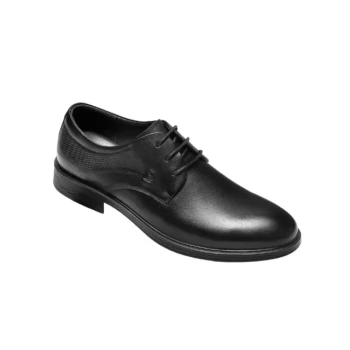
- Classic Leather Derby Dress Shoes Wholesale & Custom Manufacturing
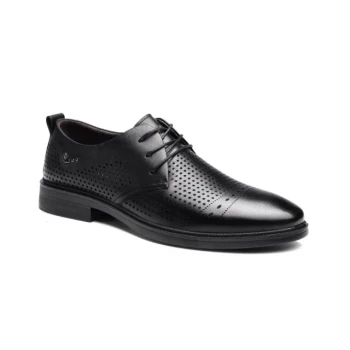
- Wholesale Leather Derby Dress Shoes Custom Manufacturer for Brands
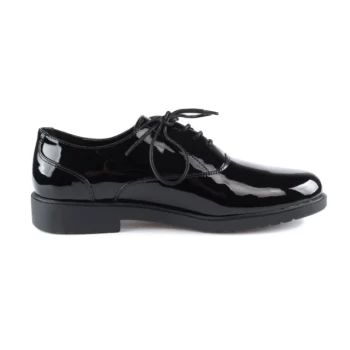
- Wholesale Patent Oxford Dress Shoes | Custom & Bulk Manufacturing
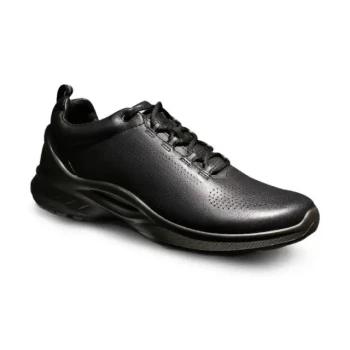
- Factory Direct Wholesale Leather Comfort Shoes with Dial Closure
- Wholesale Leather Business Casual Shoes with Dial Closure - Manufacturer of Comfort Dress Sneakers
People Also Ask
- How often should leather dress shoes be cleaned and polished? A 3-Tier Care Guide for Longevity
- How can you remove salt stains from leather dress shoes? Save Your Shoes with a Simple Vinegar Solution
- What are the basic steps to clean leather dress shoes? A Guide to Preserving Your Investment
- How should you dry wet leather dress shoes? A Step-by-Step Guide to Save Your Investment
- What historical figure is associated with the Derby shoe? The Earl of Derby's Comfort Revolution