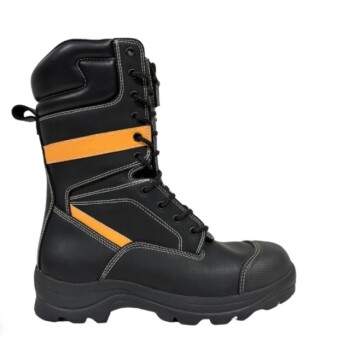
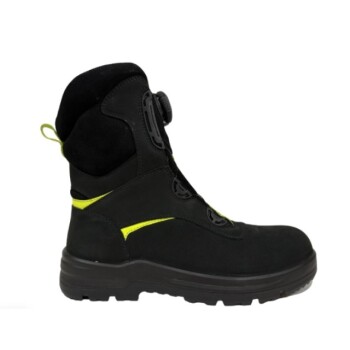
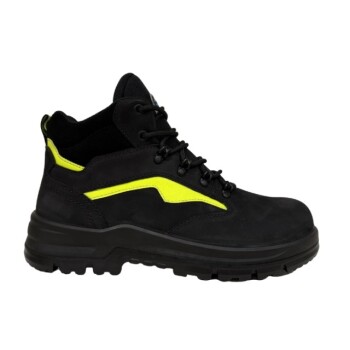
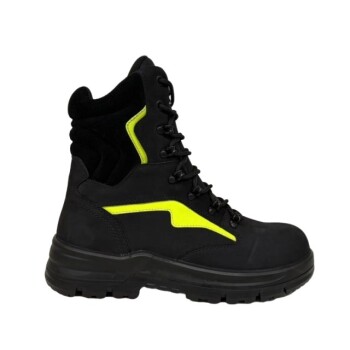
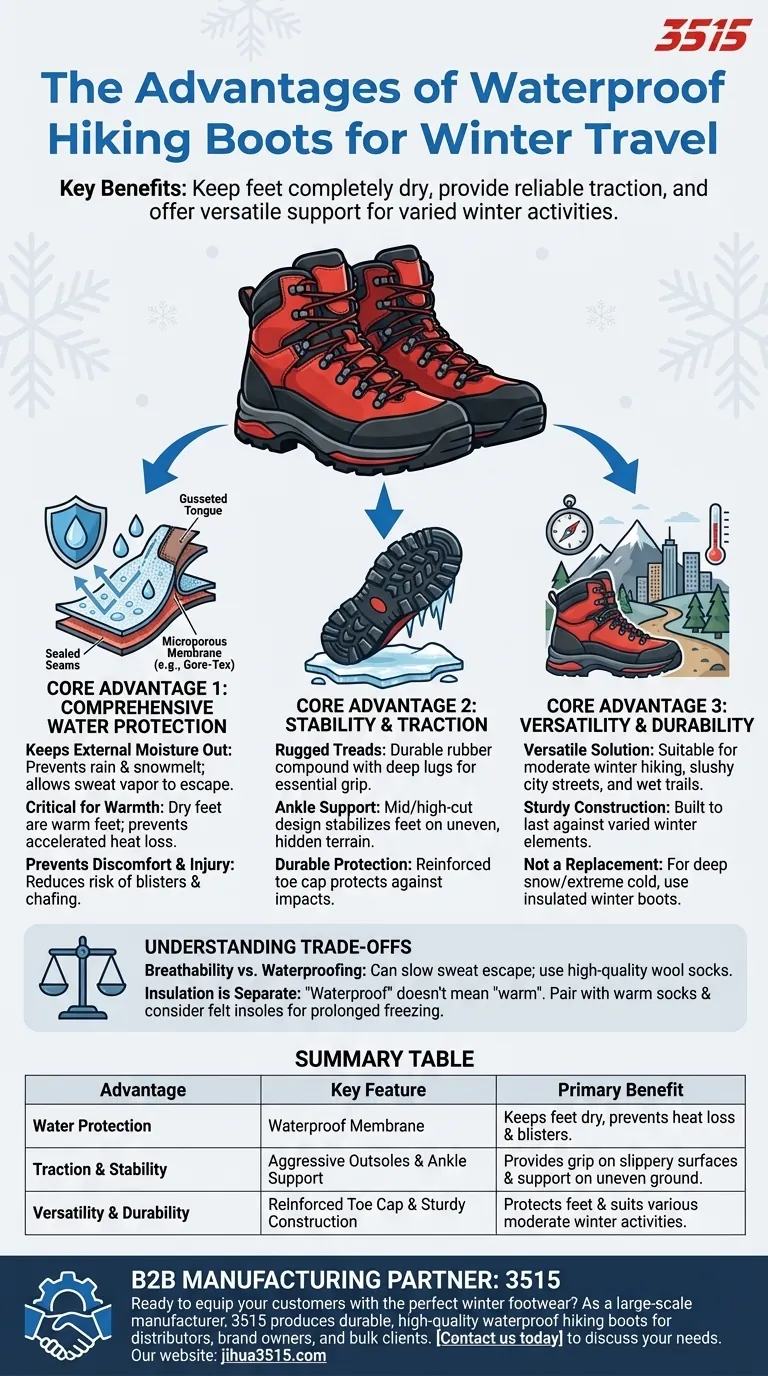
The primary advantages of waterproof hiking boots for winter travel are their ability to keep your feet completely dry from snow and slush, provide reliable traction on slippery surfaces, and offer versatile support for varied activities. This combination ensures your feet remain warm, stable, and comfortable across changing winter conditions.
The core issue isn't just about a boot's features, but about ensuring your feet—your primary mode of transport—remain functional and comfortable in a challenging environment. Waterproof hiking boots serve as a versatile shield, balancing protection against the elements with the support needed for extended walking.
The Core Function: Comprehensive Water Protection
A waterproof hiking boot is engineered as a system to keep your feet dry, which is the foundational requirement for warmth and comfort in winter.
Keeping External Moisture Out
Most quality waterproof boots use a microporous membrane, like Gore-Tex, sandwiched between the boot's outer material and inner lining. This membrane contains pores that are too small for liquid water molecules (rain, snowmelt) to pass through, but large enough for water vapor (sweat) to escape.
Construction details like sealed seams and a gusseted tongue (a tongue connected to the upper along its sides) create a continuous barrier, preventing water from seeping through these vulnerable areas.
The Critical Link Between Dryness and Warmth
The most significant advantage of staying dry is staying warm. Water conducts heat away from the body roughly 25 times faster than air.
When your socks and feet get wet, you lose body heat at an accelerated rate, leading to cold feet regardless of your sock's thickness. By blocking external moisture, a waterproof boot preserves the insulating properties of your socks.
Preventing Discomfort and Injury
Prolonged moisture softens the skin, making it highly susceptible to blisters, chafing, and other foot ailments. Keeping your feet dry is the single best way to prevent these issues on long travel days.
Stability and Traction on Unpredictable Surfaces
Winter ground is inherently unreliable. Waterproof hiking boots are built to manage this uncertainty.
The Importance of Rugged Treads
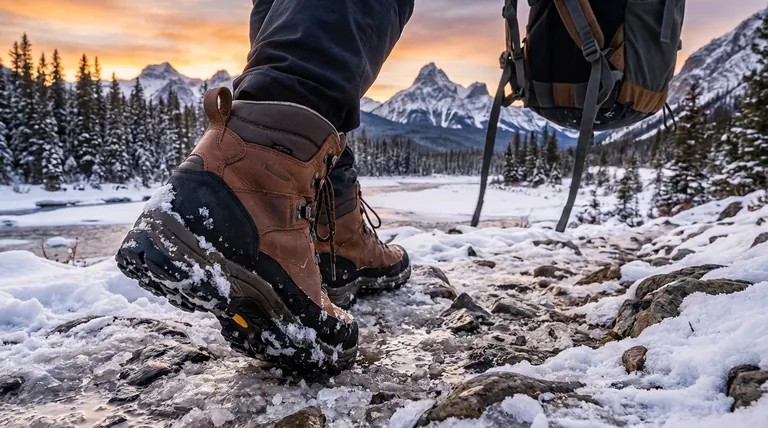
The outsoles are typically made of a durable rubber compound designed to remain flexible in colder temperatures. They feature deep, aggressive lugs (the tread pattern) that bite into snow and slush, providing essential grip.
Ankle Support for Uneven Terrain
The mid or high-cut design of a hiking boot provides crucial ankle support. This stabilizes your foot when walking on uneven, snow-covered ground where hazards like ice patches or rocks may be hidden.
Durable Protection
Many hiking boots include a reinforced toe cap and a sturdy construction. This protects your feet from impacts against ice chunks or rocks, adding a layer of safety and extending the life of the boot itself.
Understanding the Trade-offs
No footwear is perfect for every scenario. Understanding the limitations of a waterproof hiking boot is key to using it effectively.
Breathability vs. Waterproofing
The same membrane that blocks water from entering can also slow the escape of sweat. While breathable, they are less so than non-waterproof footwear.
In milder winter weather or during high-exertion activities, your feet may feel damp from sweat. Choosing high-quality wool socks is critical to wick this moisture away from your skin.
Insulation is a Separate Factor
"Waterproof" does not automatically mean "warm." Most three-season hiking boots are not heavily insulated. Their primary role is to keep you dry, allowing your socks to provide the insulation.
For trips involving prolonged exposure to freezing temperatures, you must pair them with warm wool socks and may consider adding felt insoles for extra insulation from the cold ground.
Not a Replacement for Specialized Gear
For deep snow or arctic conditions, a dedicated, insulated winter snow boot is a superior choice. Hiking boots are the versatile solution for moderate winter conditions, slushy city streets, and cold, wet trails.
Making the Right Choice for Your Trip
Select your footwear based on the most likely conditions you will face.
- If your primary focus is urban exploration and light trails: A waterproof hiking boot offers the ideal balance of all-day comfort, weather protection, and traction for slick sidewalks and park paths.
- If your primary focus is moderate winter hiking: The combination of waterproofing, ankle support, and rugged traction is essential for safety and comfort on wet or snowy trails.
- If your primary focus is deep snow or extreme cold: You should opt for a dedicated, insulated winter boot with a high cuff designed specifically for those severe conditions.
Ultimately, choosing the right footwear is about matching the tool to the specific demands of your winter environment.
Summary Table:
| Advantage | Key Feature | Primary Benefit |
|---|---|---|
| Water Protection | Waterproof Membrane (e.g., Gore-Tex) | Keeps feet dry, preventing heat loss and blisters |
| Traction & Stability | Aggressive Rubber Outsoles & Ankle Support | Provides grip on slippery surfaces and support on uneven ground |
| Versatility & Durability | Reinforced Toe Cap & Sturdy Construction | Protects feet and suits various moderate winter activities |
Ready to equip your customers with the perfect winter footwear?
As a large-scale manufacturer, 3515 produces a comprehensive range of durable and comfortable waterproof hiking boots for distributors, brand owners, and bulk clients. Our production capabilities ensure high-quality footwear that meets the demands of winter travel.
Contact us today to discuss your needs and discover how we can be your reliable manufacturing partner.
Visual Guide
Related Products
- High Performance Fire-Retardant Waterproof Safety Boots
- Premium Flame-Retardant Waterproof Safety Boots and Shoes
- Wholesale Waterproof Tactical Boots Custom Suede & High-Traction Soles
- Premium High-Cut Waterproof Safety Boots Manufacturing & Wholesale Solutions
- Durable Waterproof Rain Boots | Custom Manufacturer for Wholesale & Brands
People Also Ask
- Why are waterproof safety boots recommended for certain work environments? Essential Protection for Wet & Hazardous Jobs
- What roles do 3D vision systems and industrial robots play in the manufacturing of fire safety boots? Smart Automation
- What is a drawback of waterproof boots? The Hidden Cost of Trapped Sweat and Heat
- What is the difference between waterproof, water-resistant, and water-repellent boots? Choose the Right Protection for Your Feet
- What's the difference between waterproof and water-resistant boots? Choose the Right Footwear for Your Environment