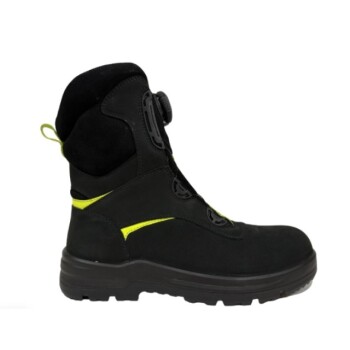
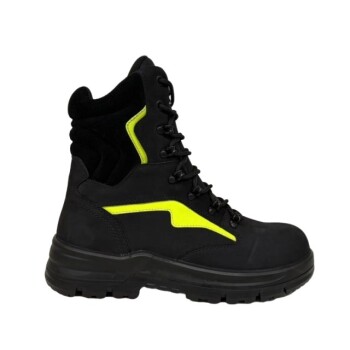
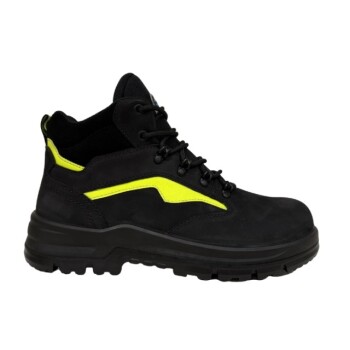
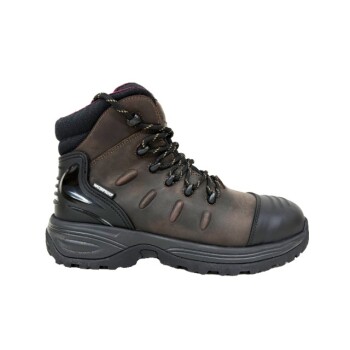
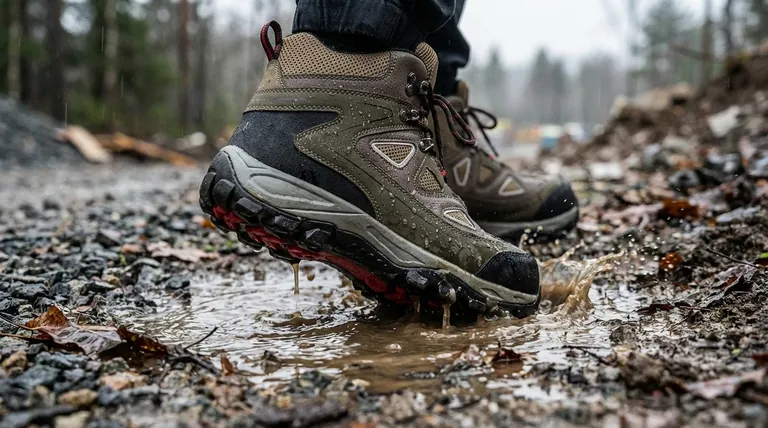
The primary advantage of water-resistant boots is their ability to keep your feet dry, comfortable, and secure in moderately wet conditions such as rain, snow, or damp environments. This is achieved through a combination of specially treated materials and robust construction that not only repels water but also enhances grip and prolongs the lifespan of the boot.
While keeping feet dry is the obvious benefit, the true value of water-resistant boots lies in their integrated system of protection. They combine moisture defense with critical safety features like slip resistance and material durability, making them a reliable foundation for work and recreation in unpredictable environments.
The Core Function: How Water Resistance Works
True water resistance is not a single feature but the result of a deliberate design process involving materials, construction, and standardized testing. Understanding these elements clarifies what you can expect from your boots.
Specially Treated Materials
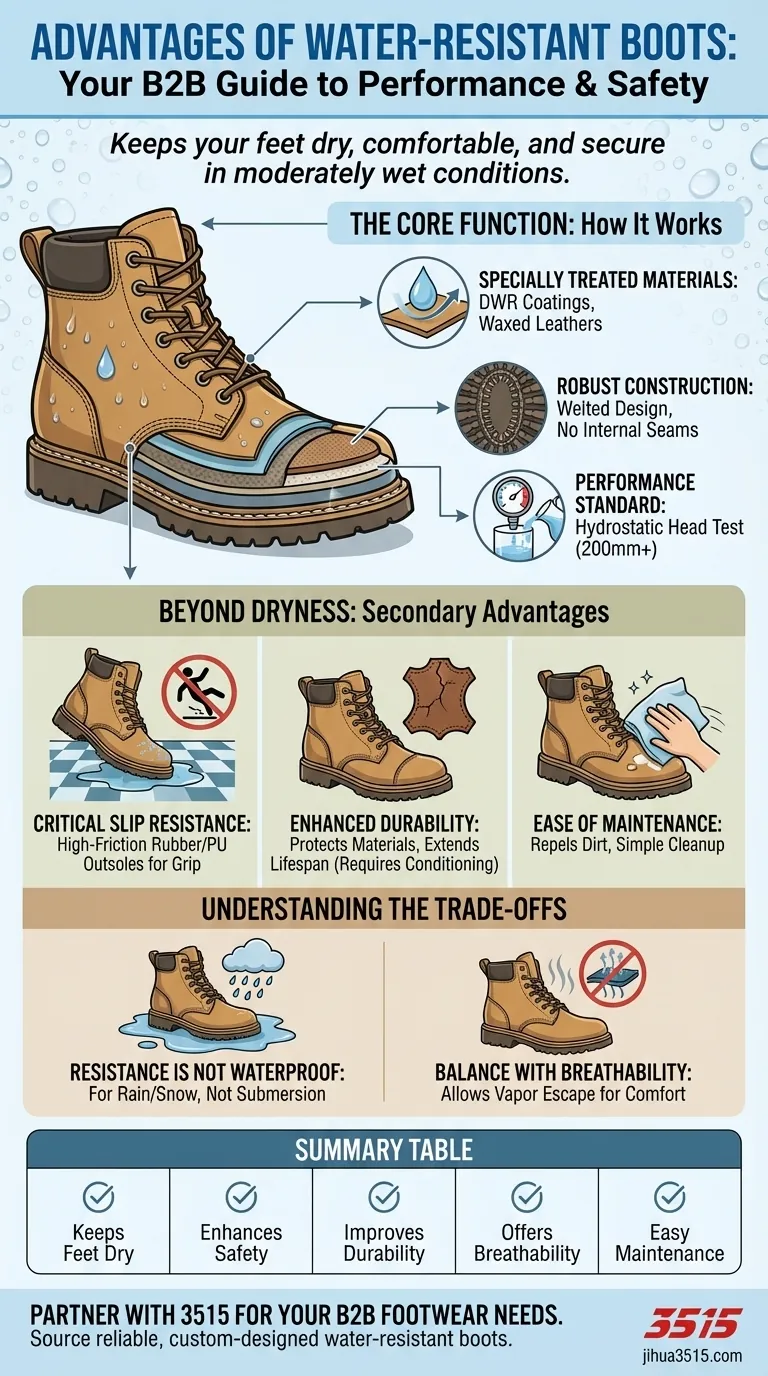
The first line of defense is the material of the boot's upper. Leathers and canvases are treated with coatings or waxes that cause water to bead up and roll off the surface rather than soak in.
These treatments, often called Durable Water Repellent (DWR) coatings, are essential for maintaining the integrity and breathability of the boot's primary material.
Robust Construction Methods
How a boot is assembled is just as critical as the materials used. Welted boots, for example, feature a design where the upper and outsole are tightly stitched together, leaving no internal seams for water to penetrate.
This construction method creates a formidable barrier against moisture and even certain toxic liquids, making it a hallmark of high-quality, durable footwear.
The Standard for Performance
To be officially classified as water-resistant, boots must often pass a hydrostatic head test. This test measures the amount of water pressure a material can withstand before it begins to leak.
A common industry standard requires the material to endure at least 200 millimeters of water pressure, ensuring it can handle more than just a light drizzle.
Beyond Dryness: The Secondary Advantages
The benefits of water-resistant design extend far beyond simple moisture protection, contributing directly to safety and the long-term value of your investment.
Critical Slip Resistance
Many water-resistant boots are built for environments where wet surfaces are a given. They often feature high-friction rubber or polyurethane outsoles engineered to prevent slips and falls.
The tread design is tailored to the intended environment. Deep lugs provide grip on rough, muddy ground, while finer treads maximize surface contact and displace water on smooth, slick floors. Some are also oil-resistant, providing crucial traction where automotive or industrial fluids are present.
Enhanced Durability and Lifespan
Water exposure can strip leather of its natural oils, leading to dryness and cracking. The materials and treatments used in water-resistant boots help mitigate this damage.
However, this protection requires upkeep. Regular conditioning of leather boots replenishes these protective oils, maintaining water resistance and dramatically extending the footwear's functional life.
Ease of Maintenance
A direct consequence of repelling water is that these boots are often easier to clean. Mud, dirt, and other grime have a harder time adhering to the treated surface and can typically be wiped away with minimal effort.
Understanding the Trade-offs
No design is without its limitations. Being an informed user means understanding what water-resistant boots can and cannot do.
Resistance is Not "Waterproof"
This is the most critical distinction. Water-resistant boots are designed to handle rain, puddles, and snow. They are not designed for full or prolonged submersion in water. For that, you need a fully waterproof boot, which typically uses a sealed inner membrane.
The Balance with Breathability
A key advantage of water-resistant construction over fully waterproof designs is breathability. Because they don't rely on a sealed plastic-like membrane, water-resistant boots allow sweat vapor to escape, keeping your feet drier and more comfortable from the inside.
The Need for Upkeep
Water-resistant treatments are not permanent. Coatings can wear off with abrasion and use, and the natural oils in leather will degrade over time. Maintaining performance requires periodic re-application of DWR sprays or leather conditioners.
Making the Right Choice for Your Needs
Selecting the right boot depends entirely on your specific environment and activities.
- If your primary focus is daily wear in mild, rainy climates: Choose a lightweight boot with a modern DWR coating for a good balance of comfort, breathability, and basic protection.
- If your primary focus is outdoor work or rugged terrain: Prioritize a welted leather construction with deep-lug, slip-resistant outsoles for maximum durability and safety.
- If your primary focus is environments with oil or chemicals: Ensure your slip-resistant boots are also explicitly rated as oil-resistant for reliable traction and material protection.
Investing in the right level of water resistance is a direct investment in your comfort, safety, and the longevity of your gear.
Summary Table:
| Advantage | Key Features |
|---|---|
| Keeps Feet Dry | DWR coatings, welted construction, hydrostatic head testing |
| Enhances Safety | Slip-resistant outsoles, oil-resistant options |
| Improves Durability | Protects materials, extends boot lifespan |
| Offers Breathability | Better comfort than fully waterproof boots |
| Easy Maintenance | Treated surfaces repel dirt and grime |
Ready to equip your team or brand with high-performance water-resistant boots?
As a large-scale manufacturer, 3515 produces a comprehensive range of durable footwear for distributors, brand owners, and bulk clients. Our production capabilities encompass all types of water-resistant work and outdoor boots, designed to meet the highest standards of safety and comfort.
We can help you:
- Source reliable footwear that protects against the elements.
- Develop custom designs tailored to your specific market needs.
- Ensure consistent quality and timely delivery for your business.
Contact us today to discuss your footwear requirements and discover how we can add value to your supply chain!
Visual Guide
Related Products
- Premium High-Cut Waterproof Safety Boots Manufacturing & Wholesale Solutions
- Heavy-Duty Waterproof Nubuck Safety Boots Safety Shoes for Bulk Supply
- Premium Flame-Retardant Waterproof Safety Boots and Shoes
- Durable Waterproof Rain Boots | Custom Manufacturer for Wholesale & Brands
- Premium Wholesale Waterproof Safety Boots High Performance Protection for Industrial Markets
People Also Ask
- Which industries commonly use safety boots and why? Protect Your Workforce from Top Hazards
- What are the common hazards present in work environments that safety boots protect against? Find Your Perfect Match
- What future trends are emerging in safety boot technology? Discover Lighter, Smarter, and More Sustainable Footwear
- What are the slip resistance requirements for safety boots? Professional Grip Standards for Poultry Facility Cleaning
- Why is a high-precision 3D motion capture system necessary for measuring joint range of motion? Optimize Safety & Mobility