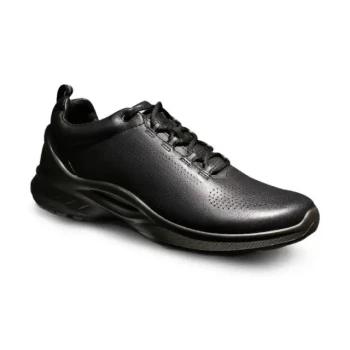
The primary advantages of using hiking shoes for urban walking are their superior support, all-terrain traction, and enhanced durability. They are specifically engineered to handle varied surfaces, from asphalt and cobblestones to park trails and wet pavement, providing a stable and comfortable experience over long distances where typical sneakers might fall short.
While a dedicated walking shoe excels on perfectly flat pavement, a hiking shoe’s true advantage in the city is its versatility. It offers a robust, all-in-one solution for navigating the unpredictable and diverse terrain that truly defines the modern urban landscape.
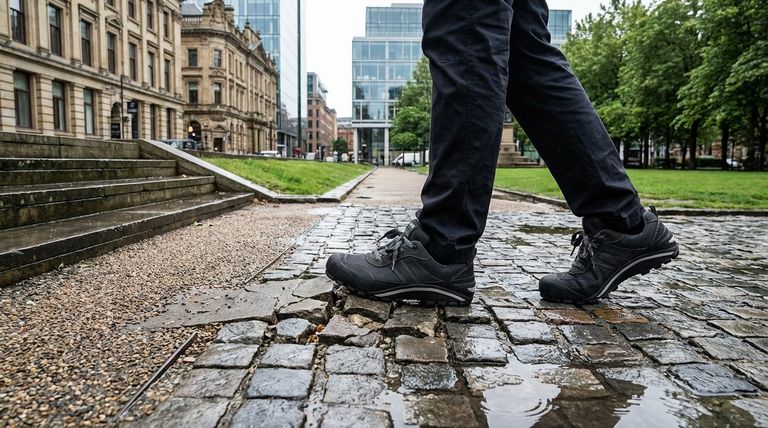
The Reality of the "Urban Trail"
Many people assume city walking is a simple, uniform activity. However, the urban environment is often more demanding than it appears, presenting unique challenges that standard footwear isn't always equipped to handle.
The Myth of Flat Pavement
A city walk is rarely confined to smooth asphalt. It often includes cracked sidewalks, cobblestone streets, steep hills, staircases, and detours through grassy parks or gravel paths. Each of these surfaces places different demands on your feet and shoes.
The Cumulative Impact of Hard Surfaces
Walking for hours on hard, unforgiving surfaces like concrete sends repetitive impact shocks through your feet and joints. Without adequate cushioning and support, this leads to significant foot fatigue, soreness, and potential long-term discomfort.
The Durability Deficit
Standard fashion sneakers or casual shoes are often built with soft foam outsoles that wear down quickly on abrasive pavement. This rapid degradation compromises their support and grip over a relatively short lifespan.
Core Hiking Shoe Strengths in a City Context
Hiking shoes are engineered for the trail, but their core design principles translate remarkably well to the challenges of an urban environment. They effectively bridge the gap between a lightweight sneaker and a heavy-duty boot.
Unmatched All-Terrain Traction
The outsole of a hiking shoe is its defining feature. It uses deeper, more aggressive lugs made of durable rubber compounds designed to grip a variety of surfaces. This provides confident footing on wet pavement, loose gravel, or slick leaves in a park—conditions where other shoes might slip.
Superior Foot Protection and Support
Hiking shoes feature a stiffer midsole and sole than typical walking shoes. This structure serves two purposes: it protects your foot from uneven ground (like stepping on a sharp curb edge) and provides a stable platform that reduces foot fatigue over many miles.
Built for the Long Haul
Durability is a key design pillar. Hiking shoes are often built to last for 800 miles or more, far exceeding the typical lifespan of a running or casual shoe used for daily walking. This makes them a cost-effective choice in the long run.
Modern Comfort and Flexibility
Unlike traditional hiking boots, modern hiking shoes are lightweight, flexible, and often require no break-in period. They offer much of the protection of a boot without the associated weight and stiffness, promoting a more natural and agile stride.
Understanding the Trade-offs
Despite their advantages, hiking shoes are not always the perfect tool for every urban situation. Understanding their limitations is key to making an informed decision.
The Stiffness Factor
The same stiffness that provides support on uneven trails can feel somewhat rigid or "clunky" on perfectly flat, smooth surfaces like a mall floor. For short, casual walks on ideal pavement, a softer shoe may feel more comfortable.
The Weight and Bulk
While significantly lighter than boots, hiking shoes are generally heavier and bulkier than minimalist sneakers or dedicated walking shoes. This extra weight may be noticeable and unnecessary if your walks are short and on simple terrain.
The Breathability Balance
Many hiking shoes offer excellent breathability. However, models featuring waterproof membranes (like GORE-TEX) can be warmer than highly ventilated mesh sneakers, which might be a consideration in very hot climates.
Making the Right Choice for Your Walk
Ultimately, the decision depends on the nature of your urban walking. By matching the shoe to your primary activity, you ensure optimal comfort and performance.
- If your primary focus is long-distance urban exploration on varied surfaces (parks, hills, older streets): A lightweight hiking shoe is an excellent, versatile choice that provides necessary support and traction.
- If your primary focus is short, casual walks on consistently flat, even pavement: A dedicated walking shoe or comfortable sneaker will likely feel more comfortable and less cumbersome.
- If your primary focus is finding one durable, all-weather shoe for daily commuting: The hiking shoe's durability and superior grip in wet conditions make it a strong and practical contender.
Choosing the right footwear is about matching the tool to the specific demands of your environment.
Summary Table:
| Advantage | Benefit for Urban Walking |
|---|---|
| All-Terrain Traction | Confident grip on wet pavement, cobblestones, and park trails. |
| Superior Support | Reduces foot fatigue from repetitive impact on hard surfaces. |
| Enhanced Durability | Built to last far longer than standard sneakers on abrasive pavement. |
| Versatile Protection | Shields feet from uneven ground while remaining lightweight and flexible. |
Ready to step up your urban exploration?
As a large-scale manufacturer, 3515 produces a comprehensive range of durable and comfortable footwear for distributors, brand owners, and bulk clients. Our production capabilities encompass all types of shoes and boots, including versatile hiking shoes perfect for the demands of city life.
We can help you provide your customers with the support and durability they need. Contact our team today to discuss your footwear needs and discover how we can add value to your product line.
Visual Guide

Related Products
- Durable Rubber Sole Outdoor Shoes Wholesale & Custom Manufacturing
- Wholesale High-Traction Camo Boots - Custom Manufacturer for Brands
- Wholesale Durable Camouflage Canvas Shoes with High-Traction Cleated Rubber Sole
- Wholesale Durable Camo Canvas Shoes with High-Traction Rubber Soles
- Premium Lightweight Safety Shoes for Wholesale & Bulk Orders
People Also Ask
- What is the function of the sole in outdoor shoes? Find the Perfect Grip and Support
- What role do outdoor shoes and sneakers play in navigating external terrains? Engineered Stability for Every Surface
- How is AI utilized in the design of outdoor and safety footwear? Harnessing Big Data for Market-Driven Shoe Innovation
- Why is durability important when selecting outdoor shoes? A Guide to Safety & Long-Term Value
- What are the key components of outdoor shoes that affect comfort and sturdiness? A Guide to Durable, High-Performance Footwear