
The primary advantages of rubber riding boots are their affordability, exceptional durability, and effortless maintenance. They are a practical, no-fuss solution that makes them an ideal starting point for new riders and children.
Rubber riding boots serve as the perfect entry point into equestrian sports. They prioritize practicality and cost-effectiveness over the refined performance of more advanced materials, making them a smart choice for specific needs and stages of a rider's journey.
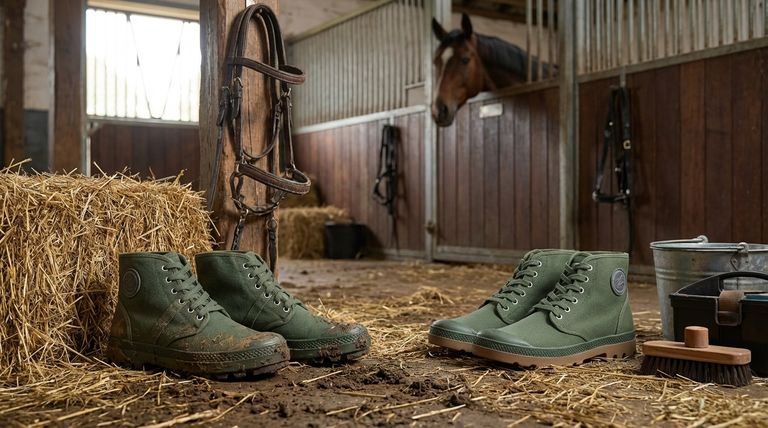
The Core Strengths of Rubber Riding Boots
Rubber boots are designed with a clear purpose: to be a functional, accessible, and resilient piece of equipment. Their main benefits stem from the inherent properties of the material itself.
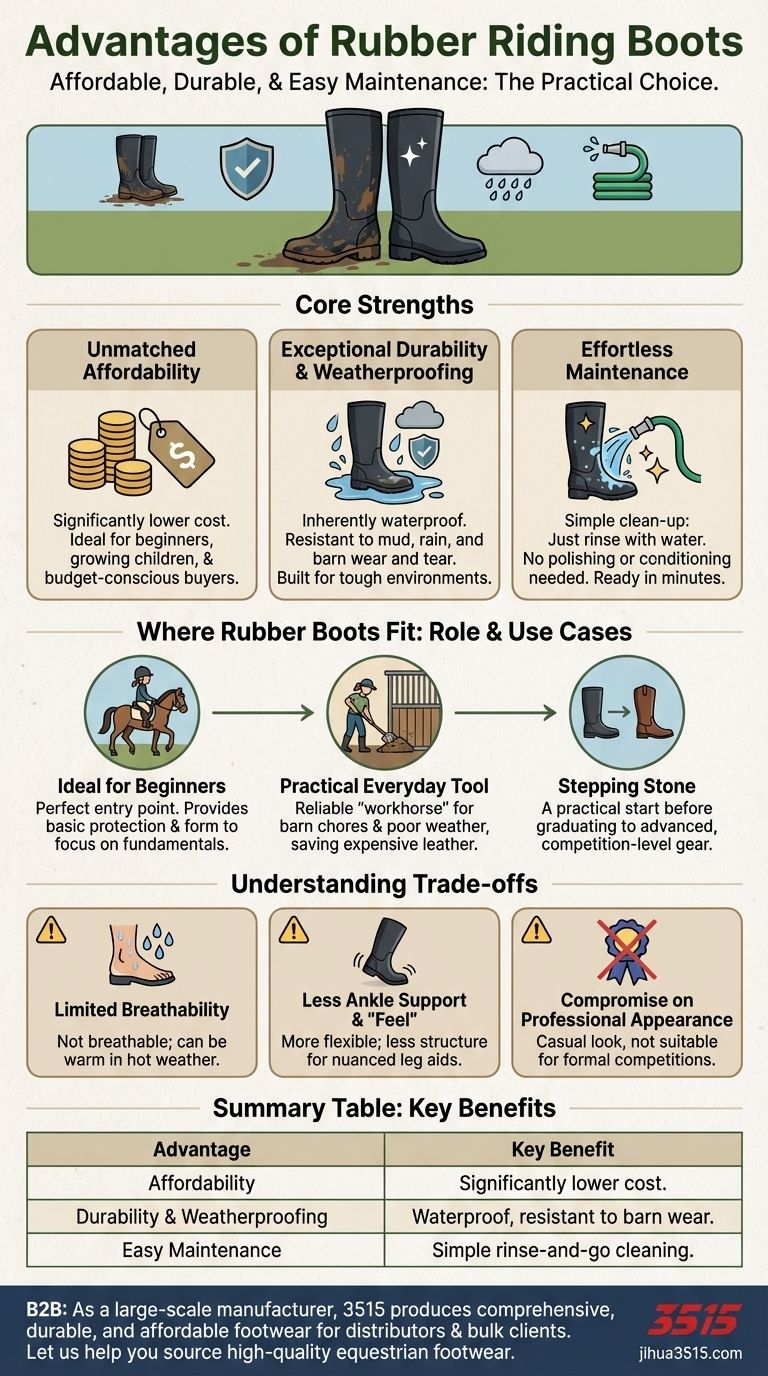
Unmatched Affordability
Rubber boots are significantly less expensive than their leather or high-end synthetic counterparts. This low financial barrier is ideal for beginners who are uncertain about their long-term commitment to the sport or for parents buying for children who will quickly outgrow them.
Exceptional Durability and Weatherproofing
Rubber is inherently waterproof and highly resistant to wear and tear. These boots can handle mud, rain, and the general rigors of a barn environment without sustaining damage, making them an excellent choice for winter riding or daily chores.
Effortless Maintenance
Unlike leather, which requires regular cleaning and conditioning to maintain its integrity, rubber boots are incredibly easy to care for. A quick rinse with a hose is typically all that is needed to keep them clean and ready for the next ride.
Where Rubber Boots Fit in the Equestrian World
While rubber boots have clear advantages, understanding their intended role is key. They are a starting point or a utility tool, not a high-performance piece of equipment.
The Ideal Choice for Beginners
For those just learning, rubber boots provide the necessary protection and basic form of a long boot. They prevent chafing from stirrup leathers and offer a degree of protection, allowing a new rider to focus on fundamentals without a large initial investment.
A Practical Tool for Everyday Use
Many experienced riders keep a pair of rubber boots for barn work or for riding in poor weather conditions. Their resilience makes them a perfect "workhorse" boot, saving more expensive leather boots from unnecessary wear and tear.
A Stepping Stone to Advanced Boots
As riders advance, they typically graduate to leather or high-quality synthetic boots. These materials offer better breathability, a closer fit for more precise leg aids, and the formal, traditional appearance required for competitions.
Understanding the Trade-offs
Choosing rubber boots involves accepting a few key compromises. Recognizing these limitations ensures they are used for the right purpose.
Limited Breathability
Rubber is not a breathable material. In hot weather, this can lead to sweaty and uncomfortable feet, which is a primary reason riders often upgrade to leather or boots with moisture-wicking linings.
Less Ankle Support and "Feel"
Compared to the stiffer, more structured fit of a leather dress boot, rubber boots are often very flexible. This provides less ankle support and can make it harder for a rider to develop a nuanced "feel" of the horse's side when applying leg aids.
A Compromise on Professional Appearance
While perfectly suitable for lessons and casual riding, rubber boots lack the polished, professional look of well-maintained leather boots. They are generally not considered appropriate for formal competitions like dressage.
Making the Right Choice for Your Needs
Selecting the right boot depends entirely on your current goals and circumstances.
- If you are a beginner or buying for a child: Rubber boots are the most practical and cost-effective starting point for your equestrian journey.
- If you need a durable, waterproof boot for barn chores or bad weather: Rubber is an excellent, no-fuss option to protect your feet and your primary riding boots.
- If your priority is performance, long-term comfort, or a traditional look for competitions: You should invest in leather or high-quality synthetic boots that offer a better fit and feel.
Ultimately, rubber boots provide an accessible and functional entry into the equestrian world, perfectly balancing cost and utility for the new or practical-minded rider.
Summary Table:
| Advantage | Key Benefit |
|---|---|
| Affordability | Significantly lower cost than leather, ideal for beginners and children. |
| Durability & Weatherproofing | Waterproof and resistant to mud, rain, and barn wear. |
| Easy Maintenance | Simple to clean with just a quick rinse—no conditioning needed. |
Ready to find the perfect riding boots for your needs?
As a large-scale manufacturer, 3515 produces a comprehensive range of durable and affordable footwear for distributors, brand owners, and bulk clients. Our production capabilities encompass all types of riding boots, including rubber models perfect for beginners and utility use. Let us help you source high-quality, cost-effective equestrian footwear.
Contact us today to discuss your requirements!
Visual Guide
Related Products
- Factory Direct Wholesale Rain Boots Durable Waterproof & Fully Customizable
- Durable Rubber Sole Outdoor Shoes Wholesale & Custom Manufacturing
- Wholesale Durable Camouflage Canvas Shoes with High-Traction Cleated Rubber Sole
- Wholesale High-Traction Camo Boots - Custom Manufacturer for Brands
- High-Traction Suede Tactical Boots Wholesale & Custom Manufacturing
People Also Ask
- What are the characteristics of rain boots? A Guide to Waterproof Footwear for Every Need
- What factors should be considered when choosing rain boots? Find the Perfect Boot for Your Needs
- What are the main differences between rain boots and snow boots? Choose the Right Boot for Your Climate
- How should one decide between PVC and rubber for rain boots? A Guide to Choosing the Right Material
- Why are rain boots more flexible and comfortable than snow boots? The Key Differences Explained

















