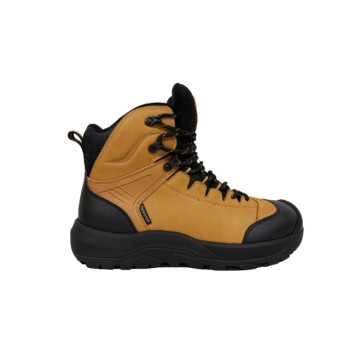
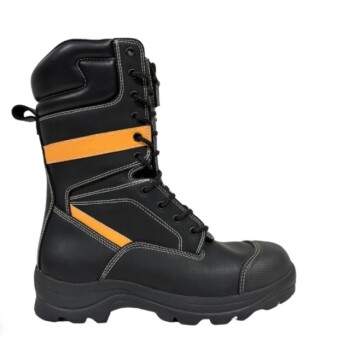
The most effective strategy for dealing with Norway's extreme cold without buying specialized boots is to rent thermal boots locally. For those using their own footwear, the key is layering: combining waterproof boots with thick wool socks, felt insoles, and gaiters to keep your feet completely dry and insulated from the snow and cold ground.
Your core challenge isn't just the cold air, but preventing heat loss to the frozen ground and stopping moisture—both from snow and sweat—from compromising your insulation. The right combination of rentals or layering solves this without a major purchase.
Why Your Everyday Boots Aren't Enough
Your feet are your foundation for any winter trip, and the cold in Arctic Norway is an entirely different challenge than a typical winter day elsewhere. The problem is twofold: direct cold and moisture.
The Ground is a Heat Sink
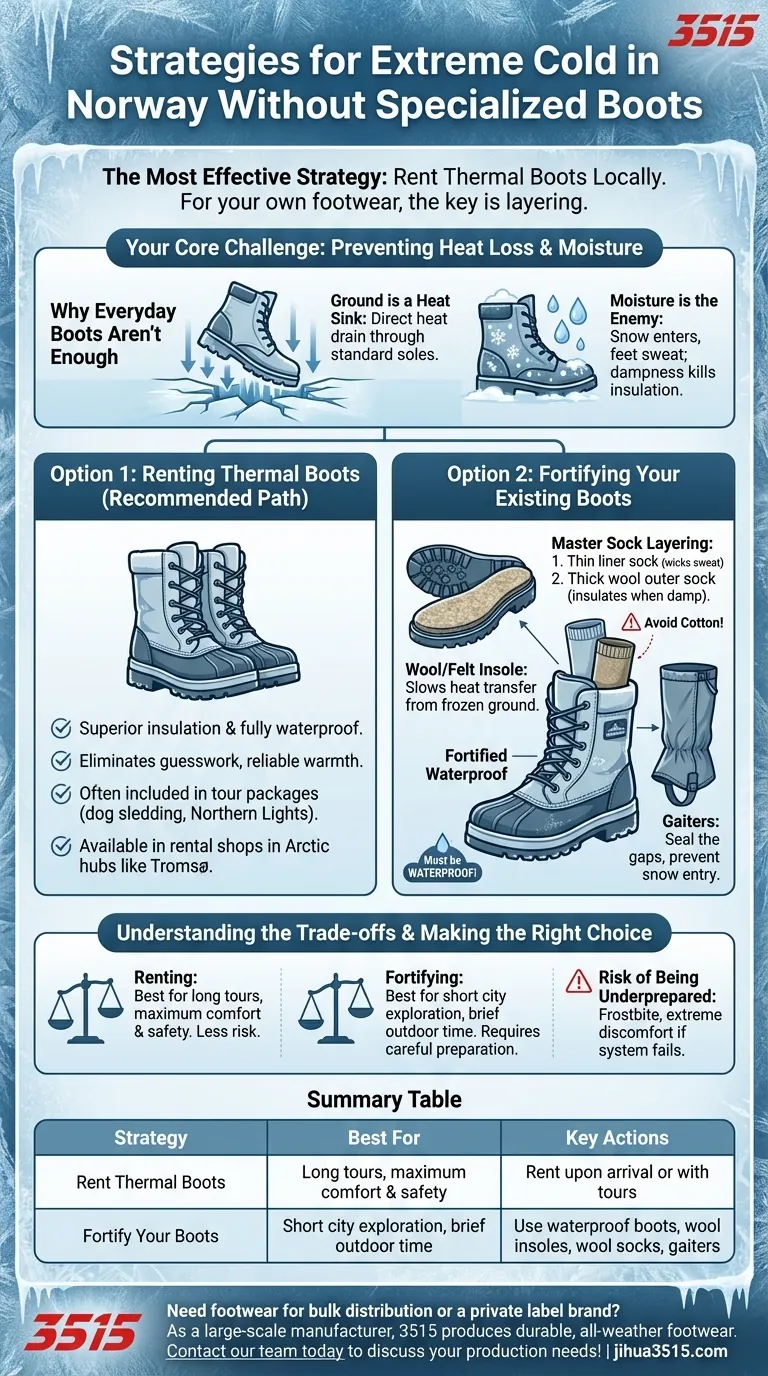
The frozen ground actively pulls heat from your body through the soles of your boots. Standard boot soles offer minimal insulation against this constant thermal drain, leading to cold feet even if the rest of your body is warm.
Moisture is the Enemy of Warmth
Snow can get into the top of your boots, melting and making your socks damp. Worse, your own feet sweat. Once the wool or cotton in your socks gets wet, it loses most of its insulating properties, rapidly accelerating heat loss.
The Best Strategies for Warm Feet
You have two primary paths: renting professional-grade gear upon arrival or intelligently upgrading the boots you already own.
Option 1: Renting Thermal Boots (The Recommended Path)
This is the most reliable and often most practical solution. Cities like Tromsø, a hub for Arctic tourism, have rental shops with boots designed specifically for local conditions.
These boots provide superior insulation and are fully waterproof, eliminating any guesswork. Many tour operators for activities like dog sledding or Northern Lights chases also include appropriate outerwear, including boots, in their packages.
Option 2: Fortifying Your Existing Boots
If you choose to use your own footwear, they must be, at a minimum, fully waterproof. From there, you need to add layers of insulation.
Add Insulating Insoles
Swap out the standard insole for a thick felt or wool insole. This creates a critical barrier that slows heat transfer from your foot to the frozen ground.
Master Sock Layering
Wear two pairs of socks: a thin liner sock made of silk or synthetic material to wick sweat away, and a thick outer sock made of high-quality wool. Wool is crucial because it insulates even when damp. Avoid cotton entirely.
Use Gaiters to Seal the Gaps
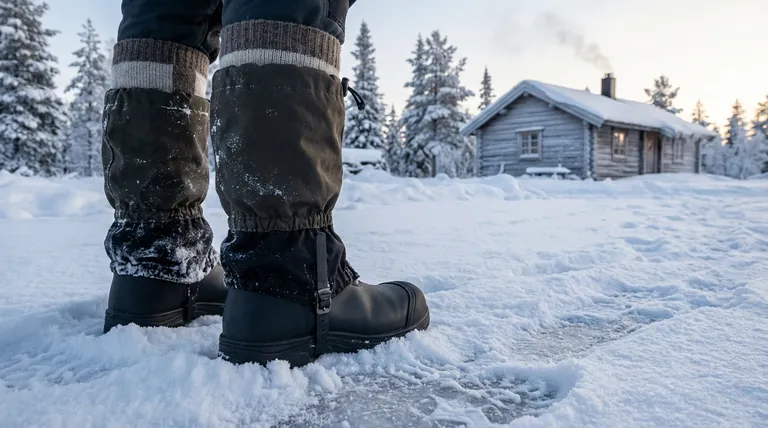
Gaiters are fabric guards that wrap around your lower leg and cover the top of your boot. They are essential for preventing snow from entering your boots when walking through even moderately deep powder.
Understanding the Trade-offs
Choosing not to buy or rent specialized boots requires accepting certain compromises.
The Limits of "Good Enough"
While layering can work for short durations or city walking, it may not be sufficient for long, static periods of standing outside, such as during a multi-hour Northern Lights tour. The insulation from socks and insoles will eventually be overcome by the persistent cold.
The Risk of Being Underprepared
If your "waterproof" boots fail or your layering system proves inadequate, the consequences range from extreme discomfort to the risk of frostbite. The convenience of using your own gear comes with a higher burden of responsibility to ensure it performs.
The Cost-Benefit of Renting
Renting may seem like an added expense, but it is often cheaper than buying high-quality Arctic boots you may never use again. It also guarantees you have gear that is proven to work in the exact conditions you will face.
Making the Right Choice for Your Goal
Your strategy should match your planned activities and tolerance for cold.
- If your primary focus is comfort and safety on long outdoor tours: Renting professional thermal boots is the most reliable and worry-free option.
- If your primary focus is short city exploration with brief outdoor time: You can likely manage by fortifying your own waterproof boots with wool insoles, quality wool socks, and gaiters.
- If you are participating in an organized activity like dog sledding: Check with your tour operator first, as they often provide all the necessary specialized gear.
Ultimately, ensuring your feet are warm and dry is the single most important factor for enjoying your time in Norway's spectacular winter landscape.
Summary Table:
| Strategy | Best For | Key Actions |
|---|---|---|
| Rent Thermal Boots | Long tours, maximum comfort & safety | Rent upon arrival in cities like Tromsø; often included with tour packages. |
| Fortify Your Boots | Short city exploration, brief outdoor time | Use waterproof boots, add thick wool/felt insoles, wool socks, and gaiters. |
Need footwear for bulk distribution or a private label brand? As a large-scale manufacturer, 3515 produces a comprehensive range of durable, all-weather footwear for distributors, brand owners, and bulk clients. Let us help you equip your customers for any condition. Contact our team today to discuss your production needs!
Visual Guide
Related Products
- Premium Insulated Safety Boots and Shoes for Wholesale & Bulk Orders
- Durable Leather Tactical Boots Wholesale & Custom Manufacturing for Brands
- High-Traction Suede Tactical Boots Wholesale & Custom Manufacturing
- Durable Leather High-Ankle Tactical Boots for Wholesale & Custom Manufacturing
- Wholesale Waterproof Tactical Boots Custom Suede & High-Traction Soles
People Also Ask
- What are the recommended insulation ratings for mild winter conditions? A Guide for Active & Stationary Workers
- How does insulation thickness correlate with temperature ranges? A Guide to Choosing the Right Warmth
- What insulation level is needed for severe cold and stationary work? 1200g or Higher is Essential
- What safety advantages do insulated boots offer beyond warmth? Dielectric Protection & Superior Grip
- How does fleece lining contribute to the warmth of insulated boots? Trapping Air for Superior Cold Protection