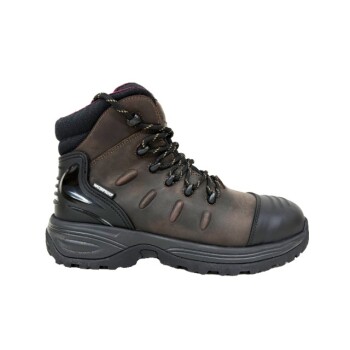
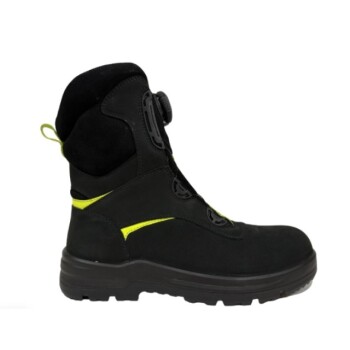
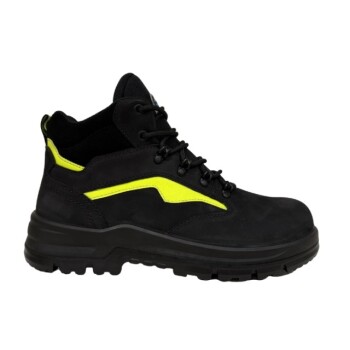
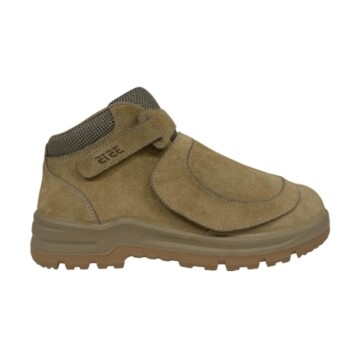
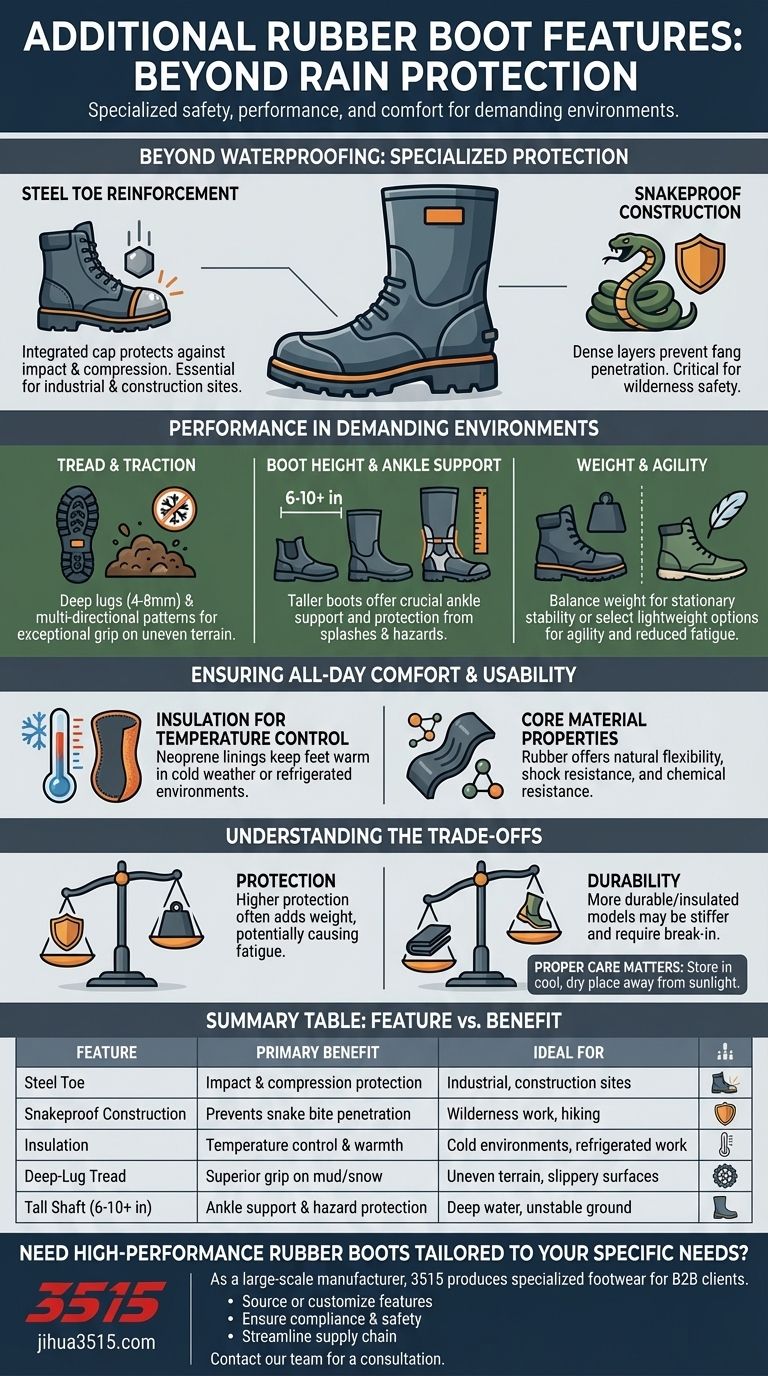
Beyond basic rain protection, modern rubber boots can be equipped with highly specialized features for safety, performance, and comfort. Key additions to consider include integrated steel toes for impact protection, snakeproof construction for wilderness safety, and advanced insulation for cold environments.
The most effective rubber boot is not just a waterproof shell; it's a specialized tool. The key is to look past the material itself and match specific, engineered features to the unique demands of your work or environment.
Beyond Waterproofing: Specialized Protection
While all rubber boots keep you dry, many jobs and environments demand a higher level of safety. These features are designed to mitigate specific, serious risks.
Steel Toe Reinforcement
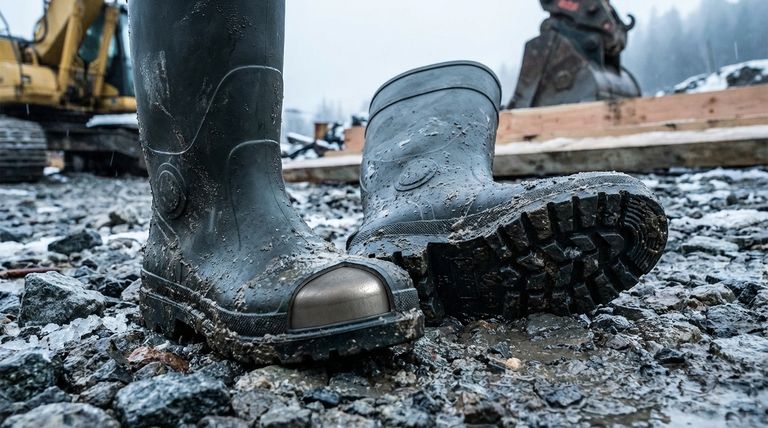
A steel toe cap is integrated into the front of the boot to protect your feet from compression or impact from heavy, falling objects. This is a non-negotiable feature in many industrial, construction, and agricultural settings.
Snakeproof Construction
For those navigating wilderness areas, snakeproof boots offer critical protection. They incorporate dense, nonwoven materials and extra layers of rubber designed specifically to prevent a snake's fangs from penetrating the boot wall.
Performance in Demanding Environments
How a boot performs under stress is determined by its physical design. Height, weight, and sole construction are critical factors for stability and agility.
Tread and Traction
The outsole is your primary point of contact with the ground. Look for boots with deep lugs (4mm to 8mm) for exceptional grip on mud, snow, or uneven terrain. A multi-directional tread pattern further enhances slip resistance on slick surfaces.
Boot Height and Ankle Support
Boot height, often ranging from 6 to 10 inches for work models, is crucial for ankle support. Taller boots help prevent twists and sprains when walking on unstable ground, while also offering greater protection from splashes or environmental hazards.
Weight and Agility
Added features invariably add weight. While a heavy, reinforced boot is ideal for stationary work, more lightweight options are available. These boots prioritize agility and reduce fatigue for users who need to cover long distances quickly.
Ensuring All-Day Comfort and Usability
Comfort is not a luxury; it's a functional requirement that impacts endurance and focus. Insulation and material choice are the primary drivers of comfort in a rubber boot.
Insulation for Temperature Control
Many rubber boots are lined with materials like neoprene to provide insulation. This feature is essential for keeping feet warm in cold weather or when working in refrigerated environments, preventing dangerous temperature loss and discomfort.
Core Material Properties
Remember the inherent benefits of rubber itself. The material provides excellent natural flexibility, shock resistance, and chemical resistance, making it a durable foundation for any specialized footwear.
Understanding the Trade-offs
Selecting a specialized boot always involves balancing competing priorities. More features often mean sacrificing other qualities.
Protection vs. Weight
The most significant trade-off is protection versus weight. Features like steel toes and extra snakeproof layers dramatically increase a boot's weight, which can lead to fatigue over a long day.
Durability vs. Flexibility
While rubber is naturally flexible, highly durable or insulated models with thicker walls will be stiffer. This can slightly restrict movement and may require a break-in period.
The Importance of Proper Care
No matter the features, a rubber boot's lifespan depends on care. Always store your boots in a cool, dry location away from direct sunlight to prevent the rubber from degrading, cracking, and losing its integrity.
Making the Right Choice for Your Goal
To select the right features, identify your primary need first.
- If your primary focus is industrial safety: Prioritize a boot with a certified steel toe for impact protection.
- If your primary focus is wilderness exploration: Select a snakeproof design with a tall shaft and an aggressive, deep-lugged tread.
- If your primary focus is all-weather work: Choose an insulated boot to ensure your comfort and safety in cold conditions.
By matching the boot's features to your specific challenge, you can ensure safety, comfort, and performance.
Summary Table:
| Feature | Primary Benefit | Ideal For |
|---|---|---|
| Steel Toe | Impact & compression protection | Industrial, construction sites |
| Snakeproof Construction | Prevents snake bite penetration | Wilderness work, hiking |
| Insulation | Temperature control & warmth | Cold environments, refrigerated work |
| Deep-Lug Tread | Superior grip on mud/snow | Uneven terrain, slippery surfaces |
| Tall Shaft (6-10+ in) | Ankle support & hazard protection | Deep water, unstable ground |
Need High-Performance Rubber Boots Tailored to Your Specific Needs?
As a large-scale manufacturer, 3515 produces a comprehensive range of specialized footwear for distributors, brand owners, and bulk clients. Our production capabilities encompass all types of safety and performance boots, including models with steel toes, snakeproof construction, and advanced insulation.
We can help you:
- Source or customize boots with the exact features your market demands.
- Ensure compliance and safety with durable, high-quality construction.
- Streamline your supply chain with reliable, large-volume manufacturing.
Let's discuss your requirements and how we can support your business. Contact our team today for a consultation.
Visual Guide
Related Products
- Factory Direct Wholesale Rain Boots Durable Waterproof & Fully Customizable
- Puncture-Resistant Velcro Safety Boots for Wholesale & Custom Manufacturing
- Durable Leather Safety Boots for Wholesale & Custom OEM Manufacturing
- Heavy-Duty Waterproof Nubuck Safety Boots Safety Shoes for Bulk Supply
- Premium Wholesale Tactical Style Safety Shoes Boots with Quick Lacing
People Also Ask
- What are the characteristics of rain boots? A Guide to Waterproof Footwear for Every Need
- What factors should be considered when choosing rain boots? Find the Perfect Boot for Your Needs
- What are the main differences between rain boots and snow boots? Choose the Right Boot for Your Climate
- How should one decide between PVC and rubber for rain boots? A Guide to Choosing the Right Material
- Why are rain boots more flexible and comfortable than snow boots? The Key Differences Explained