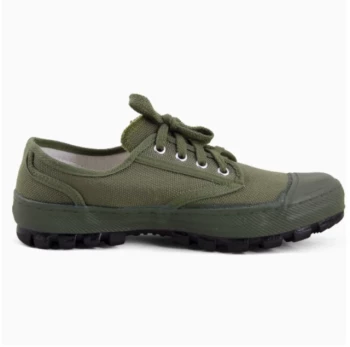
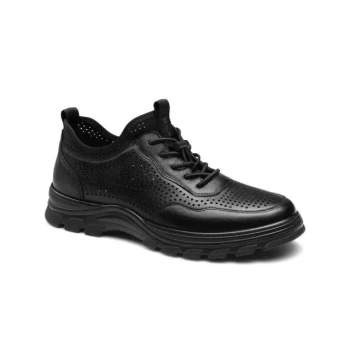
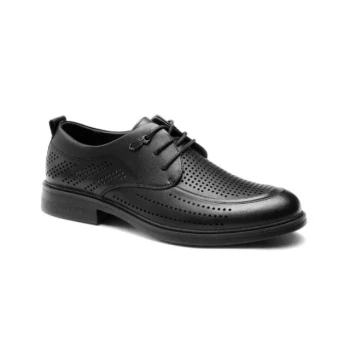
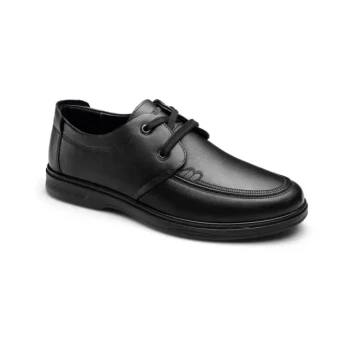
In essence, a rubber-soled shoe is footwear where the bottom layer that directly contacts the ground is made from either natural or synthetic rubber. It is the most common sole material used today due to its unparalleled combination of durability, traction, and resistance to the elements, making it a highly practical foundation for nearly any type of shoe.
The choice of a rubber sole is a deliberate engineering decision. It prioritizes grip, longevity, and weather resistance over all else, making it the most versatile and reliable sole material for a wide range of activities and conditions.
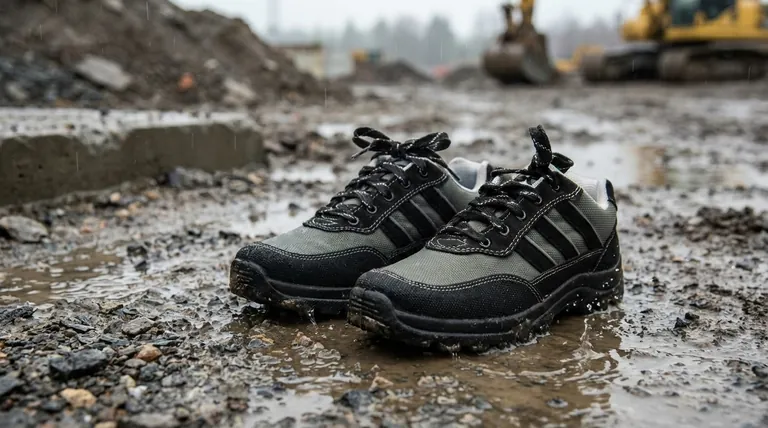
The Core Properties of Rubber Soles
Rubber's dominance as a sole material is not accidental. It is a result of a few key physical properties that make it uniquely suited for the demands we place on our footwear.
Unmatched Durability and Resistance
A high-quality rubber sole is exceptionally robust and long-lasting. It is highly resistant to abrasion, meaning it wears down very slowly even with extensive use on rough surfaces like pavement.
This inherent durability ensures the shoe maintains its structure and protective qualities over a long lifespan.
Superior Grip and Traction
Rubber's defining characteristic is its high coefficient of friction, which translates to excellent grip. This makes it an ideal material for preventing slips and falls.
Whether on wet sidewalks or uneven trails, a rubber sole provides a stable and secure connection to the ground. This is why it's the standard for work boots, hiking shoes, and athletic footwear.
Excellent Weather Protection
Rubber is naturally water-resistant. This property prevents moisture from seeping into the shoe from the ground, keeping your feet dry in rain or snow.
It also performs reliably in extreme cold, remaining flexible without becoming brittle, unlike some other synthetic materials.
Comfort and Shock Absorption
Beyond its toughness, rubber also provides a significant degree of comfort. It is naturally shock-absorbent, cushioning the impact of each step and reducing stress on your joints.
Many modern rubber compounds are also engineered to be surprisingly light, contributing to a more comfortable walking experience.
Understanding the Trade-offs
While incredibly versatile, rubber soles are not the perfect choice for every single situation. Understanding their limitations is key to making an informed decision.
Flexibility vs. Hardness
The term "rubber" covers a wide spectrum of compounds. A hard, dense rubber sole on a hiking boot offers maximum protection and longevity but may feel stiff.
Conversely, the softer, more flexible rubber on a walking shoe is designed for comfort and easy movement but may wear out more quickly.
Breathability
Rubber is a non-porous material. Unlike a traditional leather sole, it does not breathe.
In hot climates or for individuals prone to sweaty feet, this can lead to a warmer and less comfortable internal shoe environment.
Weight and Bulk
While many rubber soles are light, heavy-duty or deeply lugged soles designed for intense outdoor use can add significant weight and bulk to a shoe compared to materials like EVA foam or leather.
Making the Right Choice for Your Goal
Ultimately, the ideal sole depends entirely on your intended use.
- If your primary focus is everyday comfort and walking: Look for shoes with a softer, more flexible rubber sole that prioritizes shock absorption and a light feel.
- If your primary focus is outdoor activities or wet weather: Choose a thicker, lugged rubber sole designed for maximum grip, stability, and water resistance.
- If your primary focus is workplace safety: Seek out boots with proprietary rubber compounds specifically rated for oil, slip, and abrasion resistance.
- If your primary focus is formal dress: While leather soles are traditional, a streamlined rubber sole offers vastly superior durability and all-weather practicality for daily wear.
Understanding the properties of a rubber sole empowers you to look beyond style and choose footwear that is truly engineered for your environment and purpose.
Summary Table:
| Property | Benefit | Ideal For |
|---|---|---|
| Durability | Resists abrasion, long-lasting | Work boots, hiking shoes, everyday wear |
| Traction | Excellent grip on wet/slippery surfaces | Outdoor activities, safety footwear |
| Weather Resistance | Waterproof, performs in cold | Rain, snow, all-weather conditions |
| Shock Absorption | Cushions impact, reduces joint stress | Walking, running, long periods on feet |
Need high-quality rubber-soled footwear for your business?
As a large-scale manufacturer, 3515 produces a comprehensive range of durable, high-performance footwear for distributors, brand owners, and bulk clients. Our production capabilities encompass all types of shoes and boots, from rugged work boots with superior slip resistance to comfortable everyday sneakers with excellent shock absorption.
We can help you source or create the perfect rubber-soled footwear for your target market. Contact our team today to discuss your needs and get a quote!
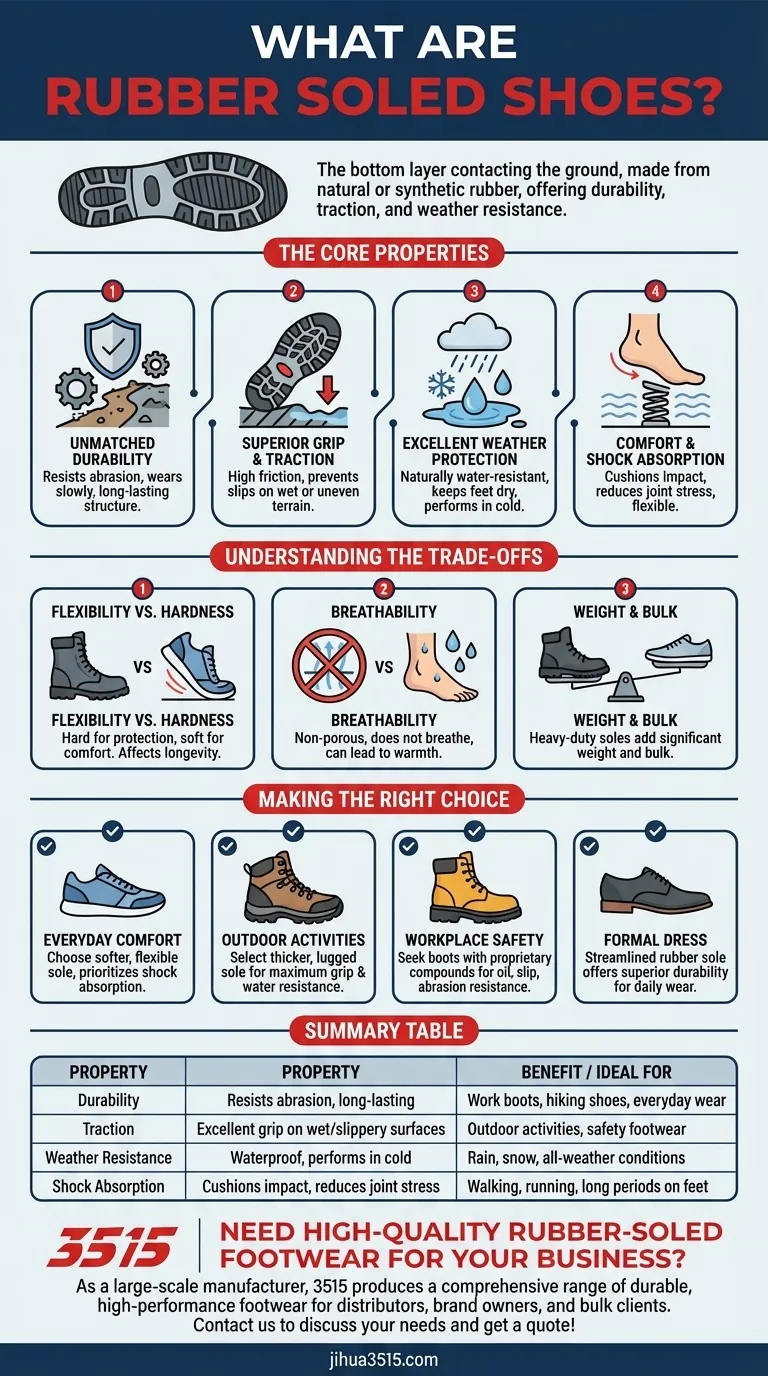
Visual Guide
Related Products
- Durable Rubber-Soled Utility Shoes for Wholesale & Custom Brand Manufacturing
- Durable Rubber Sole Outdoor Shoes Wholesale & Custom Manufacturing
- Wholesale Durable Camouflage Canvas Shoes with High-Traction Cleated Rubber Sole
- Durable High-Traction Canvas Sneakers Wholesale & Custom Manufacturing
- Durable Canvas Work Shoes with Rubber Lug Sole | Wholesale Manufacturer
People Also Ask
- Why are rubber-soled shoes considered multi-weather footwear? Unlock All-Season Traction & Protection
- Why should we wear rubber soled shoes? Unlock Superior Safety and Durability
- How do rubber soles affect a shoe's appearance? Defining Your Shoe's Style and Formality
- What are the types of rubber sole shoes available? Choose the Right Sole for Durability & Comfort
- When were rubber sole shoes invented? From 1800s Concept to Modern Mainstay