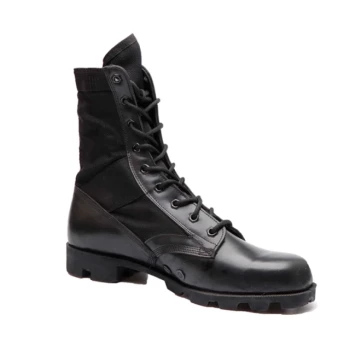
At its core, a paddock boot is an ankle-high equestrian boot designed for versatility and daily use. They are the go-to footwear for a wide spectrum of riders, from young beginners just starting lessons to professional trainers who need a durable, comfortable boot for working in the barn and riding multiple horses a day.
Paddock boots serve as the foundational workhorse of equestrian footwear. Their value lies not in specializing for a single, high-performance discipline, but in providing an affordable, durable, and comfortable solution for everyday riding and stable management.
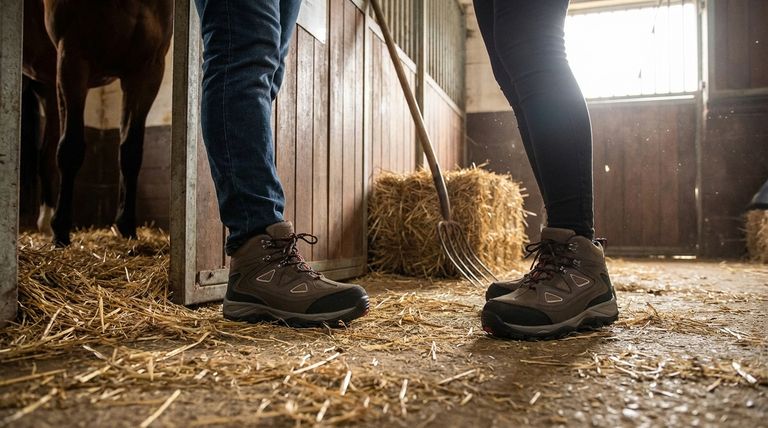
The Anatomy of a Paddock Boot
To understand why these boots are so common, it's important to recognize their key design features, which are purpose-built for the equestrian environment.
Core Design and Function
The most defining feature of a paddock boot is its ankle-high cut. This provides flexibility for walking and working around the stable.
Crucially, they feature a sturdy, defined heel. This is a critical safety feature designed to prevent the rider's foot from slipping all the way through the stirrup.
Common Materials and Styles
Paddock boots are typically made from durable leather or modern synthetic leather. Both materials are chosen for their ability to withstand the rigors of barn life while being relatively easy to clean and maintain.
They are available in three primary styles: zip-up, lace-up, or pull-on. Zippers offer convenience, laces provide a more customized fit and ankle support, and pull-on versions offer simplicity.
Specialized Variations
While the classic design is most common, specialized versions exist. Winter paddock boots, for example, are built with insulation, water-resistant materials, and enhanced-grip soles for handling snow and ice safely.
Why Paddock Boots Are a Rider's Staple
The popularity of the paddock boot isn't accidental. It fills a specific and widespread need within the equestrian world for a practical, multi-purpose boot.
Unmatched Versatility
A single pair of paddock boots can take a rider from mucking out a stall, to grooming their horse, to riding in a lesson. This all-in-one functionality makes them incredibly practical for daily use.
The Role of Half Chaps
Paddock boots are very often paired with half chaps, which are separate leather or synthetic leggings that cover the leg from the ankle to just below the knee.
This combination effectively simulates the function and appearance of a tall boot. It provides the rider with better grip on the saddle and protects the lower leg from rubbing against the stirrup leathers.
Accessibility and Affordability
Compared to specialized tall boots, paddock boots are significantly more affordable. This makes them the standard choice for beginner riders and, especially, for children whose feet are still growing.
Understanding the Trade-offs
While incredibly useful, paddock boots are not the optimal choice for every situation. Objectivity requires acknowledging their limitations.
Protection vs. Appearance
By themselves, paddock boots offer no protection to the calf. When paired with half chaps, they offer good protection but may not provide the same rigid leg support or seamless appearance of a high-end, single-piece tall boot required in some formal show disciplines.
Not a General-Purpose Boot
Despite their comfort, paddock boots are not hiking boots or tactical boots. Their sole and heel are designed for a stirrup, not for long-distance trekking over rugged terrain. Using them for other activities can lead to premature wear and may not provide the correct support.
Making the Right Choice for Your Needs
To determine if paddock boots are the correct choice, consider your primary activities and goals.
- If your primary focus is starting lessons or casual riding: Paddock boots offer the perfect blend of safety, comfort, and affordability.
- If your primary focus is daily barn work and training: Their durability and ease of care make them an ideal workhorse boot.
- If your primary focus is competitive showing: You will likely need to pair them with quality half chaps or invest in dedicated tall boots to meet formal attire standards.
Ultimately, the paddock boot's enduring popularity stems from its ability to provide essential equestrian function and safety without demanding a significant investment.
Summary Table:
| Aspect | Key Features | Best For |
|---|---|---|
| Design | Ankle-high cut, sturdy heel, zip/lace/pull-on styles | Daily riding and stable work |
| Materials | Durable leather or synthetic leather | Easy maintenance and comfort |
| Versatility | Pairs with half chaps for added leg protection | Beginners to professional trainers |
| Limitations | Not for hiking; less formal than tall boots | Casual riding and training, not high-level shows |
Ready to find the perfect paddock boots for your needs? As a large-scale manufacturer, 3515 produces a comprehensive range of durable, comfortable, and affordable equestrian footwear for distributors, brand owners, and bulk clients. Whether you need classic leather paddock boots, insulated winter versions, or custom designs, we have the production capabilities to meet your demands. Contact us today to discuss your footwear requirements and benefit from our expertise in crafting boots that riders trust!
Visual Guide

Related Products
- Wholesale Lightweight Tactical Boots Custom Manufacturer for Desert & Combat Use
- Durable Military Combat Boots with Water Drainage for Wholesale & OEM
- Wholesale Durable Mid-Cut Tactical Boots for Custom & Private Label Brands
- Durable Leather Tactical Boots Wholesale & Custom Manufacturing for Brands
- High-Traction Suede Tactical Boots Wholesale & Custom Manufacturing
People Also Ask
- What are the common types of combat boots? Find the Right Boot for Your Mission
- What specialized protections do tactical boots offer? Maximize Endurance with High-Performance Footwear
- What is the role of high-frequency acquisition hardware in technical skill analysis for outdoor and tactical boots?
- What are the main construction similarities between tactical boots and tactical sneakers? Built for Performance & Durability
- What are the different types of tactical boots available? Find the Right Boot for Your Mission