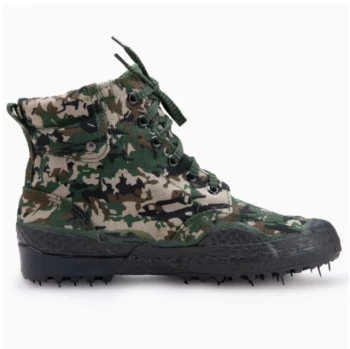
Hunting boots are purpose-built tools for the field. They are a highly specialized category of footwear engineered to provide hunters with the essential triad of protection, environmental adaptation, and structural support required to navigate challenging outdoor conditions safely and effectively.
Unlike general-purpose hiking or winter boots, every feature of a hunting boot is deliberately chosen to meet the specific demands of the hunt. The design prioritizes performance in the wild over casual aesthetics or everyday comfort.
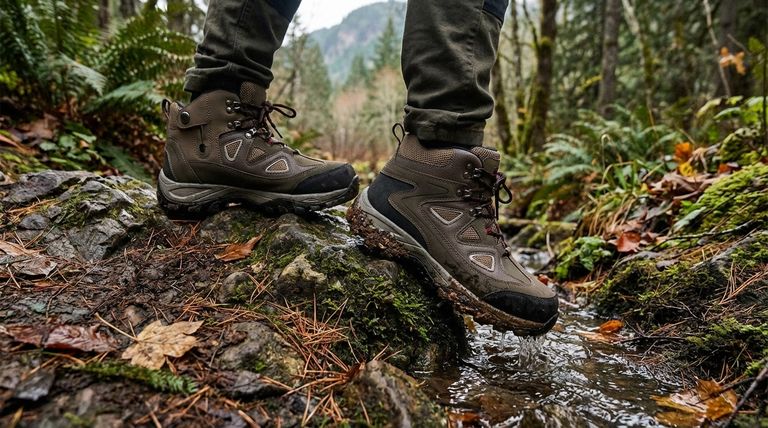
The Core Pillars of Hunting Boot Design
A hunting boot is best understood as a system of integrated features, each serving a critical function. These pillars ensure a hunter can focus on the task at hand without being compromised by their environment or gear.
Protection from the Elements
The most fundamental job of a hunting boot is to create a barrier between your foot and the environment.
Waterproofing is a non-negotiable feature, designed to keep feet completely dry in wet conditions like snow, rain, or when crossing streams.
Insulation is another key component, providing crucial warmth in cold climates to prevent frostbite and maintain comfort during long periods of stationary waiting.
Support for Demanding Terrain
Hunting rarely happens on paved trails. The boot's structure is built to handle unpredictable and often unstable ground.
Sturdy ankle support is critical for providing stability on uneven surfaces, helping to prevent twists and sprains.
Cushioned insoles serve to absorb shock during long treks over hard ground, reducing fatigue and increasing endurance.
Durability and Safety
These boots are built to withstand abuse while actively protecting the wearer from hazards.
Reinforced toe caps offer protection from impacts, such as stubbing a toe on a rock or dropping heavy equipment.
Traction-heavy soles are engineered with deep, aggressive lugs to provide a secure grip on mud, rock, and snow, preventing slips and falls.
How Hunting Boots Differ from Other Footwear
While many boots share features like waterproofing, the specific combination and purpose behind them set hunting boots apart.
Hunting vs. Military Boots
Both are designed for durability and performance in challenging environments. They share a focus on robust support and protection, making them close cousins in the world of functional footwear.
Hunting vs. Snow Boots
Many hunting boots can double as snow boots for casual wear due to their waterproofing and traction. However, dedicated hunting boots typically offer far superior ankle support and durability needed for off-trail navigation, whereas many snow boots are designed for shorter-term warmth and walking on cleared paths.
Hunting vs. Garden or Fashion Boots
This comparison highlights the core purpose. Boots like garden boots or chukkas prioritize simple waterproofing or style. A hunting boot, in contrast, is a piece of technical equipment where every design choice is optimized for performance, safety, and endurance during the hunt.
Understanding the Trade-offs: Weight vs. Function
Not all hunting is the same, which is why not all hunting boots are built the same. The most significant trade-off you will encounter is weight.
The Case for Lightweight Boots
Modern lightweight boots often use synthetic materials like nylon to cut down on weight without sacrificing durability.
This design reduces leg fatigue on long hunts or fast-paced hikes, offering greater mobility and agility in the field.
The Role of Heavier Boots
Heavier boots, often constructed from leather, typically offer the maximum level of durability and protection.
They are best suited for the most rugged terrain or when carrying heavy packs, where stability and resilience are more important than minimizing weight.
Matching the Boot to Your Hunt
Choosing the right boot requires a clear understanding of your specific needs and the environment you'll be in.
- If your primary focus is mobility and long treks: Opt for lightweight synthetic boots that reduce leg fatigue and allow for faster movement.
- If your primary focus is warmth in cold climates: Prioritize boots with a high level of insulation and proven waterproofing technology.
- If your primary focus is navigating rugged, uneven terrain: Look for boots with tall, stiff ankle support and reinforced construction for maximum stability.
Ultimately, the right hunting boot is a critical investment in your safety, comfort, and overall effectiveness in the field.
Summary Table:
| Feature | Purpose |
|---|---|
| Waterproofing | Keeps feet dry in wet conditions like snow, rain, and streams. |
| Insulation | Provides warmth in cold climates to prevent frostbite. |
| Ankle Support | Offers stability on uneven ground to prevent twists and sprains. |
| Traction Soles | Ensures a secure grip on mud, rock, and snow to prevent slips. |
| Reinforced Toe Caps | Protects feet from impacts with rocks or dropped gear. |
Ready to equip yourself with the right hunting boots? As a large-scale manufacturer, 3515 produces a comprehensive range of durable, performance-driven footwear for distributors, brand owners, and bulk clients. Whether you need lightweight synthetic boots for mobility or heavy-duty leather boots for rugged terrain, our production capabilities cover all types of hunting footwear. Contact us today to discuss your needs and get a quote tailored to your market.
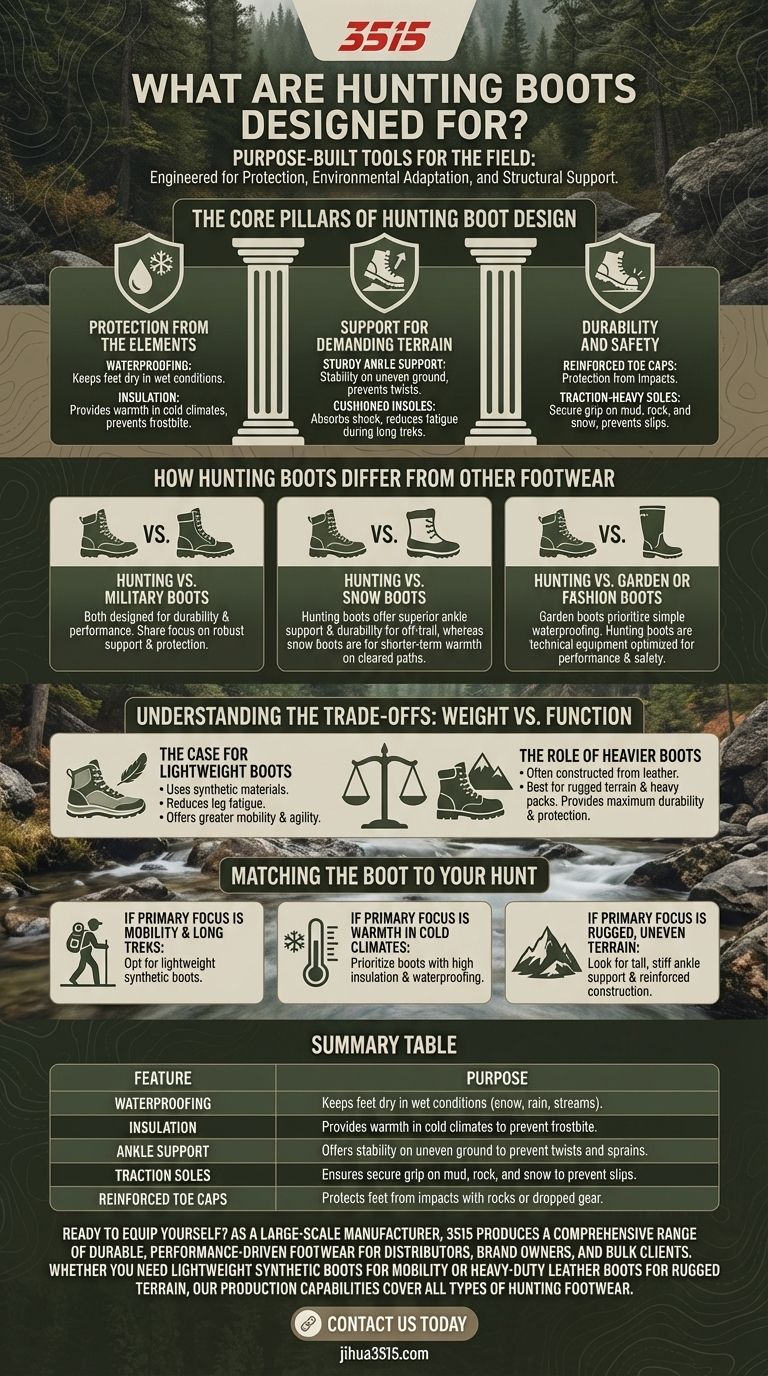
Visual Guide
Related Products
- Wholesale Lightweight Tactical Boots Custom Manufacturer for Desert & Combat Use
- High-Traction Suede Tactical Boots Wholesale & Custom Manufacturing
- Durable Leather Tactical Boots Wholesale & Custom Manufacturing for Brands
- Durable Military Combat Boots with Water Drainage for Wholesale & OEM
- Wholesale Waterproof Tactical Boots Custom Suede & High-Traction Soles
People Also Ask
- What are the common types of combat boots? Find the Right Boot for Your Mission
- What specialized protections do tactical boots offer? Maximize Endurance with High-Performance Footwear
- What are the different types of tactical boots available? Find the Right Boot for Your Mission
- How does additive manufacturing equipment reduce environmental risks? Sustainable Tactics for Modern Footwear Production
- What is the role of high-frequency acquisition hardware in technical skill analysis for outdoor and tactical boots?