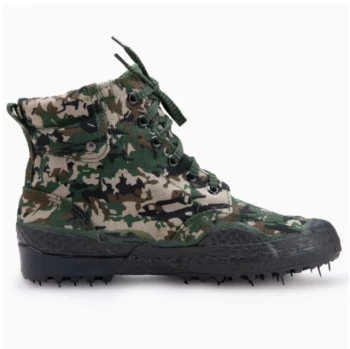
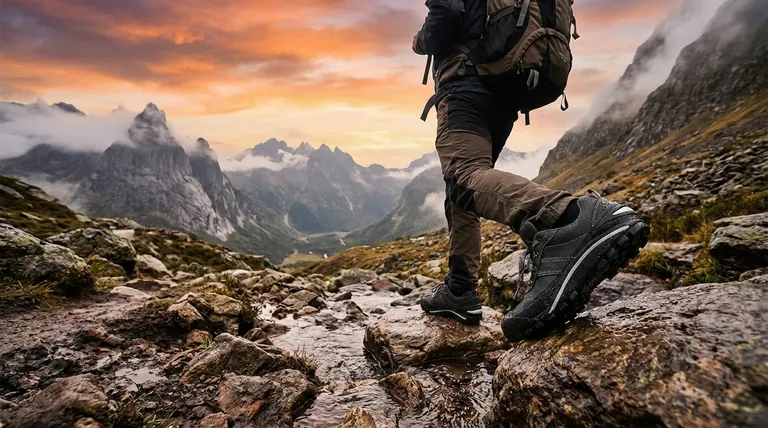
At their core, hiking boots are purpose-built footwear designed to provide critical support, protection, and traction for navigating outdoor trails. Unlike casual shoes, every element of a hiking boot is engineered to handle the unique stresses of rugged terrain, challenging weather, and carrying weight, prioritizing function and safety above all else.
The fundamental purpose of a hiking boot is to act as a supportive platform that protects your feet and ankles from the unpredictable demands of the trail, allowing you to move with confidence across difficult ground and while carrying heavy loads.
The Core Pillars of Hiking Boot Design
To understand what hiking boots are designed for, we must examine their key components. They are not single-purpose items but rather an integrated system where each part serves a distinct, protective function.
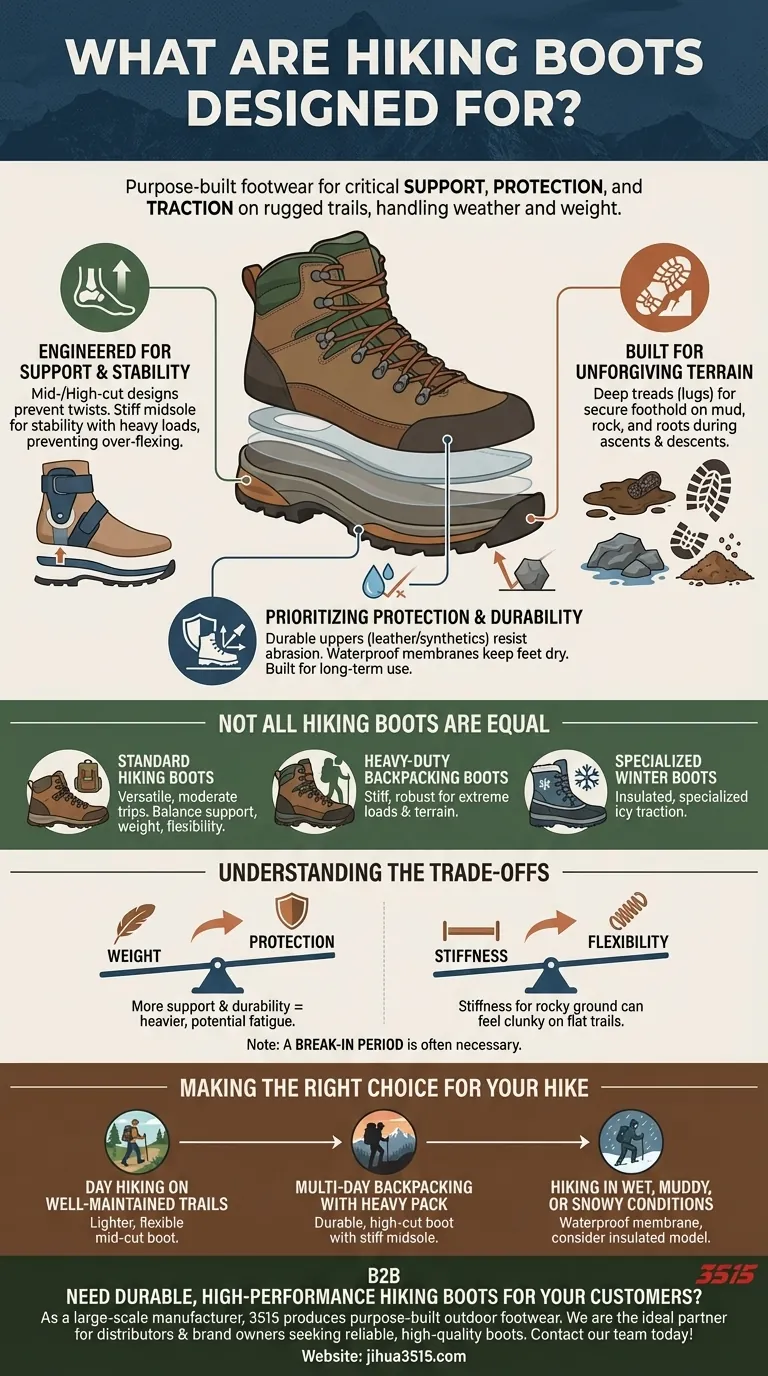
Engineered for Support and Stability
A boot's primary job is to create a stable foundation for your foot and ankle. This is achieved through its structure.
Most hiking boots feature mid- or high-cut designs that extend above the ankle. This provides crucial support, reducing the risk of twists and sprains on uneven or rocky ground.
The midsole, the layer between your foot and the outer sole, is often much stiffer than in a running shoe. This rigidity prevents your foot from over-flexing on sharp rocks and provides the stability needed when carrying the extra weight of a backpack.
Built for Unforgiving Terrain
Traction is non-negotiable in hiking. Without it, safety is compromised.
Hiking boot outsoles are characterized by deep treads, often called lugs. These are specifically designed to grip a wide variety of surfaces, from loose dirt and mud to wet rock and tree roots.
This aggressive tread pattern ensures a secure foothold during both ascents and descents, which place very different demands on your footwear.
Prioritizing Protection and Durability
The trail is an abrasive and unpredictable environment. Hiking boots are built to withstand it.
Uppers are constructed from durable materials like leather or rugged synthetics. These materials are chosen to resist abrasion from rocks and branches while protecting your feet from direct impact.
Many boots also incorporate waterproof membranes. This feature keeps your feet dry from external moisture like rain, puddles, or creek crossings, which is essential for comfort and preventing blisters. Because of this robust construction, a well-made pair of hiking boots can often last for over 1,000 miles of use.
Not All Hiking Boots Are Created Equal
The term "hiking boot" covers a spectrum of footwear, each designed for a more specific purpose.
Standard Hiking Boots
These are the versatile workhorses suitable for everything from long day hikes to moderate, multi-day backpacking trips. They balance support, weight, and flexibility effectively.
Heavy-Duty Backpacking Boots
For strenuous climbing or carrying packs over 40 pounds, you need a heavy-duty boot. These feature much stiffer midsoles and more robust uppers, providing maximum support for extreme loads and terrain.
Specialized Winter Boots
Designed specifically for hiking in snow and cold, these boots feature insulation for warmth and specialized outsoles for traction on icy surfaces. They maintain ankle stability while remaining flexible enough for walking in winter conditions.
Understanding the Trade-offs
Choosing a hiking boot always involves a balance of competing characteristics. Understanding these trade-offs is key to selecting the right tool for the job.
Weight vs. Protection
The significant support and durability of a hiking boot come at the cost of weight. They are heavier than hiking shoes or trail runners, which can lead to more fatigue on easier, well-maintained paths.
Stiffness vs. Flexibility
The very stiffness that provides support on rocky, uneven ground can feel clunky and restrictive on flat, simple trails. A boot that is too stiff for the terrain can be uncomfortable and inefficient.
The Break-In Period
Unlike a sneaker you can wear comfortably out of the box, more robust hiking boots often require a break-in period. This allows the stiff materials to mold to the specific shape of your foot, a necessary process for long-term comfort.
Making the Right Choice for Your Hike
Your choice of footwear should be a direct response to the demands of your intended hike.
- If your primary focus is day hiking on well-maintained trails: A lighter, more flexible mid-cut boot offers sufficient support without unnecessary weight.
- If your primary focus is multi-day backpacking with a heavy pack: A durable, high-cut boot with a stiff midsole is essential for stability and joint protection.
- If your primary focus is hiking in wet, muddy, or snowy conditions: Prioritize a boot with a reliable waterproof membrane, and consider an insulated model for winter use.
Ultimately, selecting the right boot is about correctly matching the tool to the specific demands of the terrain and your objective.
Summary Table:
| Key Design Feature | Primary Purpose |
|---|---|
| Ankle Support (Mid/High-Cut) | Prevents twists/sprains on uneven ground |
| Stiff Midsole | Provides stability under heavy loads (e.g., a backpack) |
| Deep Tread Outsoles | Ensures superior grip on mud, rock, and loose terrain |
| Durable Uppers (Leather/Synthetic) | Protects feet from abrasion and impact |
| Waterproof Membranes | Keeps feet dry in wet conditions, preventing blisters |
Need Durable, High-Performance Hiking Boots for Your Customers?
As a large-scale manufacturer, 3515 produces a comprehensive range of purpose-built hiking and outdoor footwear. We specialize in creating boots that deliver the critical support, traction, and durability detailed in this article.
We are the ideal partner for distributors, brand owners, and bulk clients seeking reliable, high-quality footwear. Our production capabilities encompass all types of boots, from versatile day-hikers to heavy-duty backpacking models.
Let's discuss how we can help you equip your customers for the trail.
Contact our team today to request a catalog or discuss your manufacturing needs.
Visual Guide
Related Products
- Wholesale High-Traction Camo Boots - Custom Manufacturer for Brands
- Durable Rubber Sole Outdoor Shoes Wholesale & Custom Manufacturing
- Durable Spiked Camouflage Boots Wholesale & Factory Production
- Wholesale Lightweight Tactical Boots Custom Manufacturer for Desert & Combat Use
- Wholesale Waterproof Tactical Boots Custom Suede & High-Traction Soles
People Also Ask
- What are the key features of the new line of camo boots? Built for Extreme Cold & Rugged Terrain
- Are camo boots necessary for hunting success? Prioritize Performance Over Pattern
- What is the technical logic behind using closed-eye testing for tactical boots? Unlocking Peak Footwear Stability
- How does the Rank Score Test identify the primary causes of premature failure in tactical and work boots? Key Insights
- What shoes to wear for a security job? Durable, Protective Footwear for Long Shifts