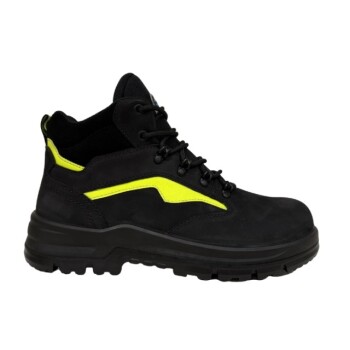
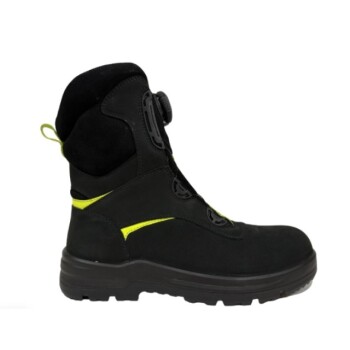
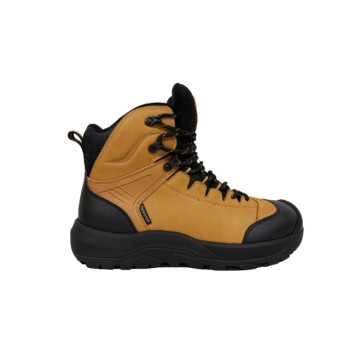
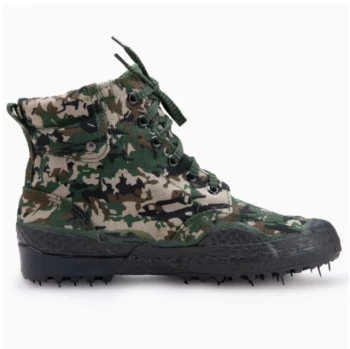
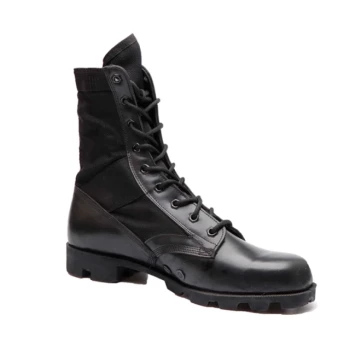
In snowy and cold weather, your best alternatives are lined, waterproof boots that provide excellent traction. The most effective options often come from manufacturers in colder regions and blend functional materials like leather with practical designs, such as a low heel and a knee-high cut for maximum protection and stability.
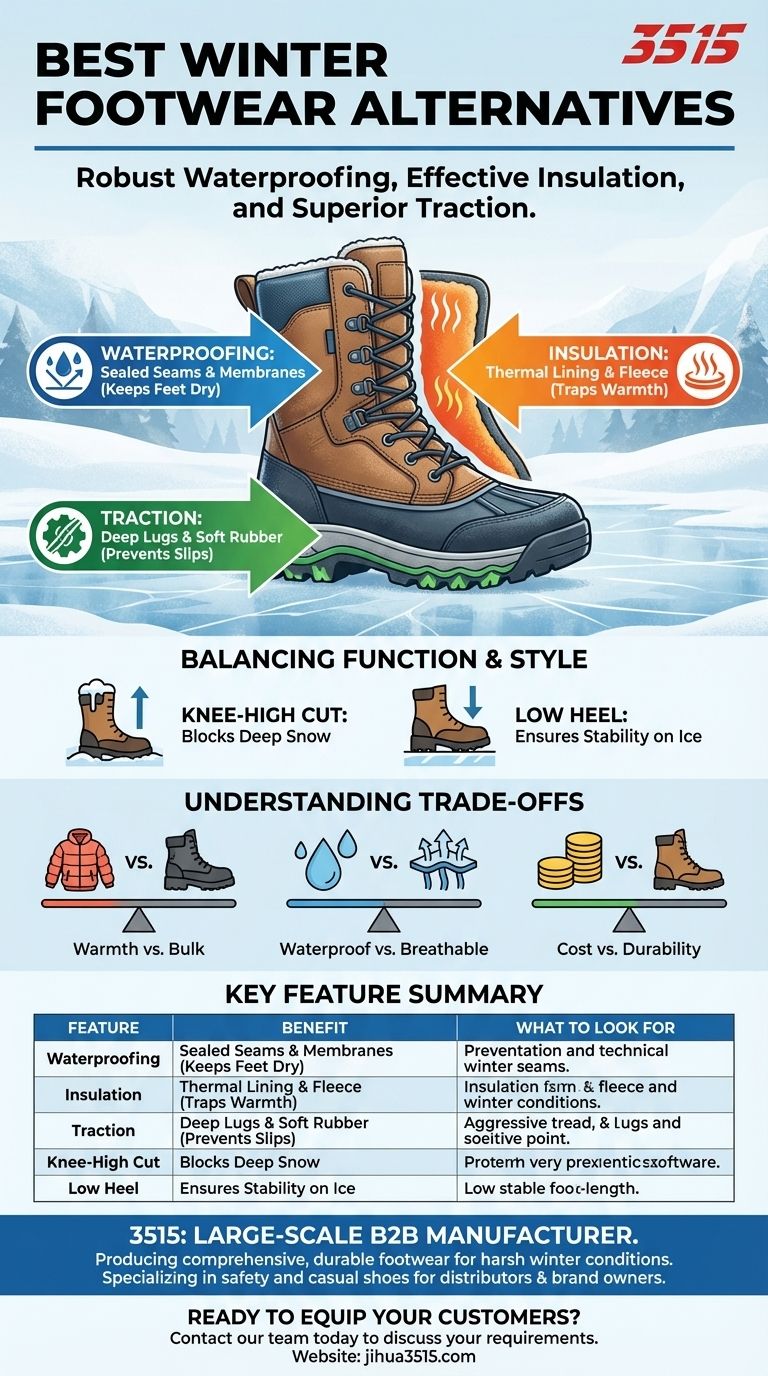
The optimal winter footwear isn't a single brand or style, but a combination of three non-negotiable features: robust waterproofing, effective insulation, and superior traction. Your specific needs will dictate how you balance these elements.
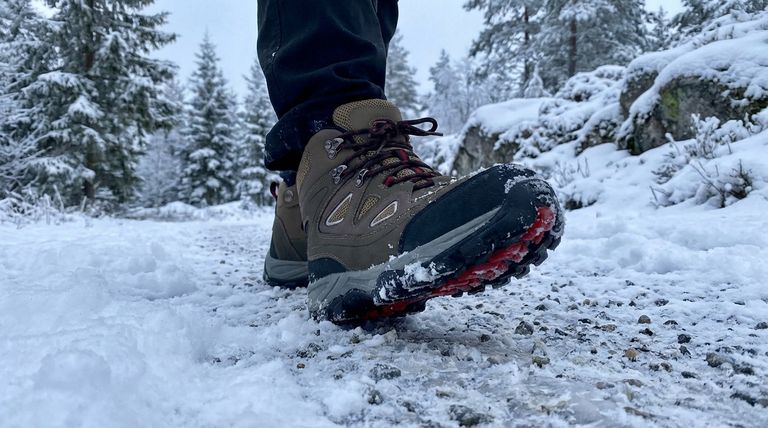
Deconstructing the Ideal Winter Boot
Choosing the right footwear is about understanding the core components that work together to protect you from the elements. Each feature serves a critical and distinct purpose.
Waterproofing: Your First Line of Defense
Wet feet lose heat exponentially faster than dry feet, making waterproofing the most critical feature. This barrier prevents snow, slush, and water from penetrating the boot.
Look for boots with sealed seams and materials that are inherently water-resistant or have been treated with a waterproof membrane.
Insulation: The Key to Warmth
Insulation traps your body heat, creating a warm air pocket around your feet. Without it, even a waterproof boot will fail to keep you comfortable in freezing temperatures.
Materials like fleece, shearling, or synthetic thermal linings are common. The level of insulation needed depends on the severity of the cold you expect to face.
Traction: The Foundation of Safety
Snow and ice create dangerously slippery surfaces. A boot's outsole is your only point of contact with the ground, making its design essential for preventing falls.
Look for deep, aggressive lugs and patterns made from soft rubber compounds that remain flexible in the cold, providing a better grip on slick terrain.
Balancing Function and Style
A great winter boot doesn't force you to choose between looking good and staying safe. The best designs integrate practical features into a stylish package.
The Advantage of a Knee-High Cut
A taller boot shaft, such as a knee-high design, offers a significant advantage in deeper snow. It prevents snow from entering the top of the boot, keeping your socks and lower legs dry and warm.
The Importance of a Low Heel
Stability is paramount on uneven, icy ground. A low, wide heel provides a much more stable base than a narrow or high heel, drastically reducing the risk of slips and twisted ankles.
Seek Out Regional Experts
Brands from regions with harsh winters, such as Canada or Scandinavia, often have a deep, practical understanding of what makes footwear effective. Their products are designed and tested in the very conditions you're preparing for.
Understanding the Trade-offs
No single boot is perfect for every situation. Being aware of the inherent compromises will help you make a more informed decision.
Warmth vs. Bulk
The warmest, most heavily insulated boots are often the bulkiest. For daily commutes in a managed urban environment, a sleeker, less insulated boot might be more practical than a heavy-duty arctic model.
Waterproofing vs. Breathability
A completely impermeable waterproof barrier can sometimes trap sweat, leading to dampness from the inside. Higher-end boots often use advanced membranes that allow water vapor to escape while blocking liquid from entering.
Durability vs. Cost
High-quality materials like genuine leather, sealed seams, and advanced insulation come at a higher price point. While less expensive options are available, they often compromise on longevity and performance, potentially failing when you need them most.
Making the Right Choice for Your Needs
Your ideal winter boot depends entirely on your environment and activity level.
- If your primary focus is commuting in a city with cleared streets: A stylish, moderately insulated leather boot with a good rubber sole will likely suffice.
- If your primary focus is navigating deep snow or unplowed areas: Prioritize a taller, fully waterproof boot with aggressive traction and significant insulation.
- If your primary focus is staying safe on icy sidewalks: Pay the most attention to the outsole, looking for specialized ice-grip technology.
Ultimately, investing in the right footwear is an investment in your safety, comfort, and well-being throughout the winter months.
Summary Table:
| Key Feature | Primary Benefit | What to Look For |
|---|---|---|
| Waterproofing | Keeps feet dry, prevents heat loss | Sealed seams, waterproof membranes, water-resistant materials |
| Insulation | Traps body heat for warmth | Fleece, shearling, or synthetic thermal linings |
| Traction | Provides stability and prevents slips on ice | Deep lugs, soft rubber compounds, aggressive outsole patterns |
| Knee-High Cut | Protects from deep snow entering the boot | Taller shaft design for maximum coverage |
| Low Heel | Ensures stability on uneven, icy ground | Wide, low-heel design for a stable base |
As a large-scale manufacturer, 3515 produces a comprehensive range of durable, functional footwear designed for harsh winter conditions. We specialize in creating boots that master the balance of waterproofing, insulation, and traction for distributors, brand owners, and bulk clients. Our production capabilities encompass all types of safety and casual shoes and boots, ensuring you get reliable, high-performance footwear tailored to your market's needs.
Ready to equip your customers with the best winter alternatives? Contact our team today to discuss your requirements and discover how 3515 can be your trusted manufacturing partner.
Visual Guide
Related Products
- Wholesale Waterproof Tactical Boots Custom Suede & High-Traction Soles
- Premium Wholesale Waterproof Safety Boots High Performance Protection for Industrial Markets
- High Performance Fire-Retardant Waterproof Safety Boots
- Wholesale Premium Waterproof Nubuck Safety Shoes Boots
- Premium High-Cut Waterproof Safety Boots Manufacturing & Wholesale Solutions
People Also Ask
- What waterproof technology is used in tactical boots? Unlock All-Weather Performance & Protection
- What are the advantages and disadvantages of waterproof tactical boots? A Guide to the Key Trade-Offs
- What is the significance of waterproof functionality in tactical boots? Essential for Health & Performance
- What is the role of professional 3D medical imaging software in optimizing tactical boot design and performance?
- What features enhance breathability and comfort in tactical boots? A Guide to Superior Footwear Performance