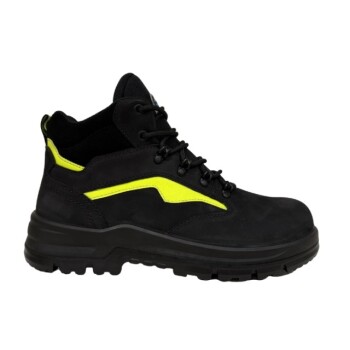
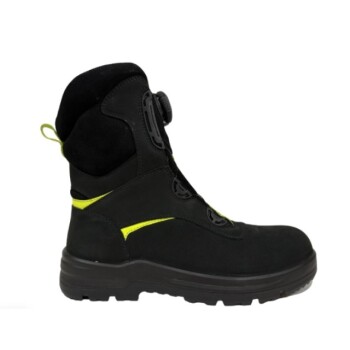
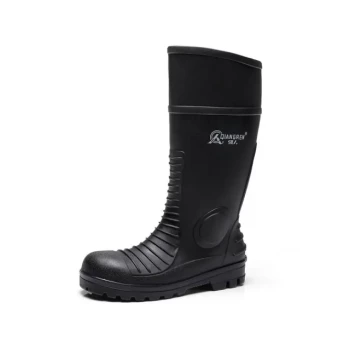
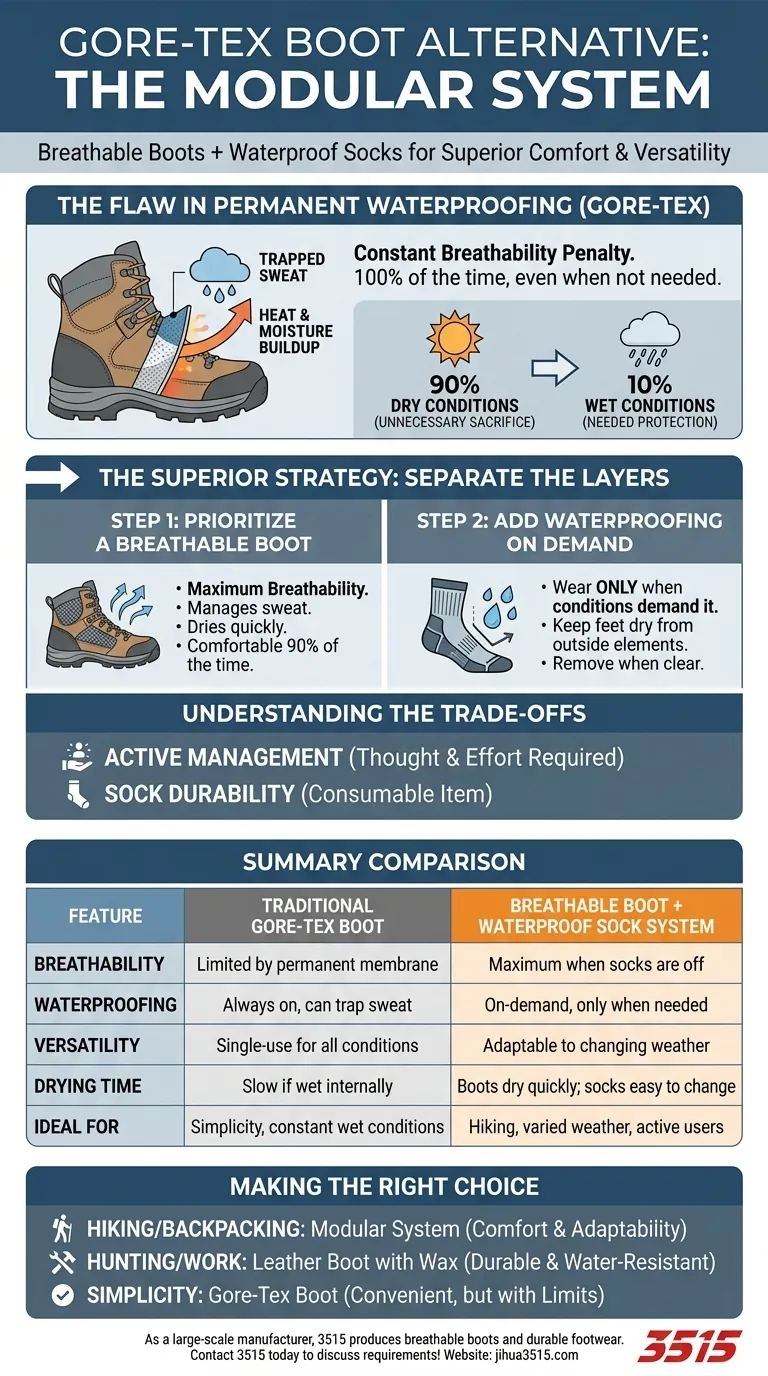
For those seeking an alternative to Gore-Tex boots, the most effective solution is not a different type of waterproof boot, but a fundamentally different system. This involves pairing highly breathable, non-waterproof boots with separate, waterproof socks that you only wear when conditions demand it. This approach gives you superior comfort and versatility for the majority of the time you're on your feet.
The core problem with integrated waterproof liners like Gore-Tex is that you pay a constant breathability penalty for a feature you may only need 10% of the time. The superior strategy is to optimize your footwear for breathability and add on-demand waterproofing with dedicated socks.
The Flaw in Permanent Waterproofing
Many users seek alternatives to Gore-Tex because they've experienced the downsides of a permanently integrated waterproof membrane. Understanding this flaw is key to finding a better solution.
How "Waterproof-Breathable" Liners Work
Membranes like Gore-Tex are designed to block larger water droplets from rain while allowing smaller water vapor molecules from sweat to escape.
In theory, this provides a perfect balance. In practice, the system has limits.
Why They Often Trap Sweat
An active foot produces a significant amount of moisture vapor. A waterproof membrane, no matter how advanced, simply cannot expel this vapor as fast as it's created during moderate to high exertion.
This trapped moisture leads to damp socks and sweaty, uncomfortable feet, which can cause blisters and coldness even in mild weather.
The 90/10 Principle
The critical insight is that most users only need true waterproofing for a small fraction of their time outdoors—perhaps 10% of the time during a heavy downpour or a stream crossing.
However, a Gore-Tex boot forces you to sacrifice breathability 100% of the time, even on the 90% of days that are perfectly dry.
A More Versatile System: Separating the Layers
Instead of relying on a single, compromised piece of gear, the best alternative is a two-part system that separates the functions of your boot and its waterproofing.
Step 1: Prioritize a Breathable Boot
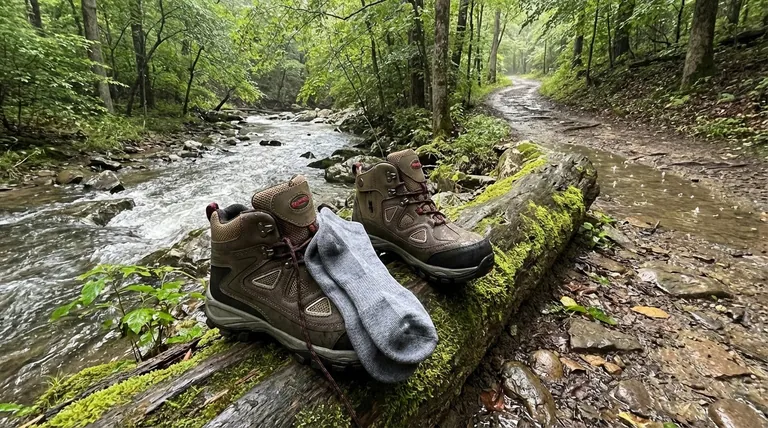
Start with a high-quality, non-waterproof boot. This could be a classic leather boot or a modern synthetic one with mesh panels.
Without a waterproof liner, these boots can effectively manage sweat, keeping your feet much drier and more comfortable from the inside out. They also dry significantly faster if they do get wet.
Step 2: Add Waterproofing On Demand
For the 10% of the time you truly need waterproofing, you bring it with you. Carry a pair of waterproof socks, many of which are made with Gore-Tex or similar membranes.
When the rain starts or you face a wet trail, you simply put on these socks. Your feet stay completely dry from the outside elements. Once the weather clears, you can take them off and return to maximum breathability.
Understanding the Trade-offs
This modular system is highly effective, but it's important to recognize its limitations compared to the simplicity of an integrated boot.
It Requires Active Management
This is not a "set it and forget it" solution. You must be mindful of the conditions and decide when to put on or take off your waterproof socks. It requires a bit more thought and effort than just lacing up a single pair of boots.
Waterproof Sock Durability
Just like a boot liner, the membrane in waterproof socks can wear out or develop leaks over time, especially with heavy use. They should be considered a durable but ultimately consumable piece of your gear kit.
Not Ideal for Constant Soaking
If your activity involves being submerged in water, mud, or deep snow for many hours or days at a time, an integrated waterproof boot might offer a simpler, more robust solution, despite the breathability drawbacks.
Making the Right Choice for Your Goal
Ultimately, the best footwear system depends entirely on your specific use case and priorities.
- If your primary focus is hiking or backpacking in varied conditions: The breathable boot and waterproof sock system offers an unparalleled combination of comfort and adaptability.
- If your primary focus is hunting or working in damp environments: A high-quality, well-maintained leather boot treated with wax offers a durable, highly water-resistant, and more breathable alternative to a membrane-lined boot.
- If your primary focus is simplicity for occasional wet weather: A traditional Gore-Tex boot remains a convenient option, but be aware of its performance limits during high exertion or in warmer temperatures.
By decoupling waterproofing from your footwear, you gain ultimate control over your foot's comfort and performance in any environment.
Summary Table:
| Feature | Traditional Gore-Tex Boot | Breathable Boot + Waterproof Sock System |
|---|---|---|
| Breathability | Limited by permanent membrane | Maximum breathability when socks are off |
| Waterproofing | Always on, can trap sweat | On-demand, only when you need it |
| Versatility | Single-use for all conditions | Adaptable to changing weather and activity |
| Drying Time | Slow if boots get wet internally | Boots dry quickly; socks are easy to change |
| Ideal For | Simplicity, constant wet conditions | Hiking, varied weather, active users |
Ready to upgrade your footwear strategy? As a large-scale manufacturer, 3515 produces a comprehensive range of high-quality, breathable boots and durable footwear for distributors, brand owners, and bulk clients. Our production capabilities encompass all types of shoes and boots, ensuring you get the perfect gear for your needs. Let us help you deliver superior comfort and performance to your customers. Contact 3515 today to discuss your manufacturing requirements!
Visual Guide
Related Products
- Wholesale Premium Waterproof Nubuck Safety Shoes Boots
- Premium Wholesale Waterproof Safety Boots High Performance Protection for Industrial Markets
- Heavy-Duty Waterproof Nubuck Safety Boots Safety Shoes for Bulk Supply
- Wholesale Waterproof Tactical Boots Custom Suede & High-Traction Soles
- High Performance Fire-Retardant Waterproof Safety Boots
People Also Ask
- Why are waterproof safety boots recommended for certain work environments? Essential Protection for Wet & Hazardous Jobs
- What materials are commonly used in waterproof boots? The Complete Guide to Durable, Breathable Protection
- What are the drawbacks of waterproof boots? The Breathability vs. Protection Trade-Off
- What is the advantage of one-piece construction in waterproof boots? Unbeatable Seamless Protection
- What is the difference between waterproof, water-resistant, and water-repellent boots? Choose the Right Protection for Your Feet