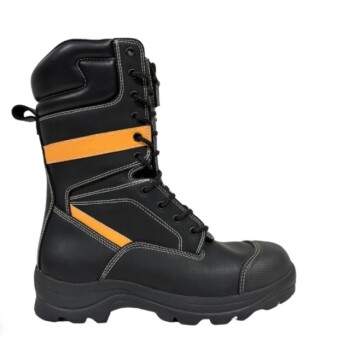
At their core, wildland boots are specialized tools engineered for professionals who face extreme terrain and high-heat environments. Unlike standard work or hiking boots, they incorporate specific features for heat resistance, long-duration stability on uneven ground, and uncompromising durability against abrasion and fire.
The key distinction is that a wildland boot is a piece of personal protective equipment first and footwear second. Every feature is a deliberate choice to enhance safety and endurance in hazardous conditions, often prioritizing protection over the lightweight comfort found in other boots.
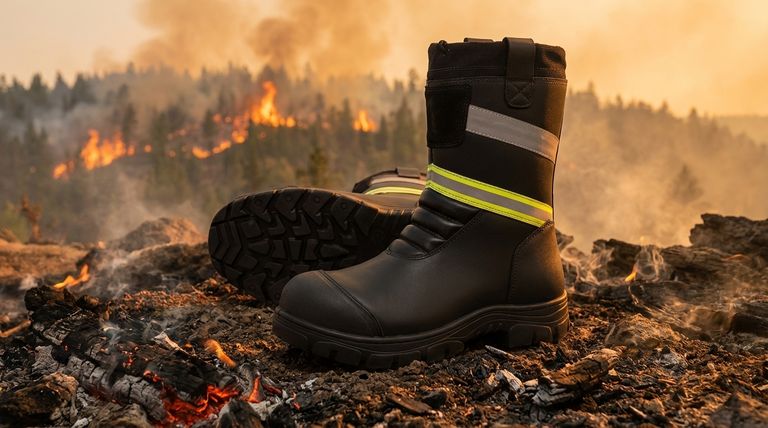
The Anatomy of a Wildland Boot: Beyond Standard Durability
While many boots claim to be tough, wildland boots are built to a different standard. Their design philosophy is rooted in withstanding the unique combination of challenges posed by fighting brush fires: intense heat from the ground up, miles of walking on steep and unstable terrain, and constant abrasion.
Heat and Flame Resistance
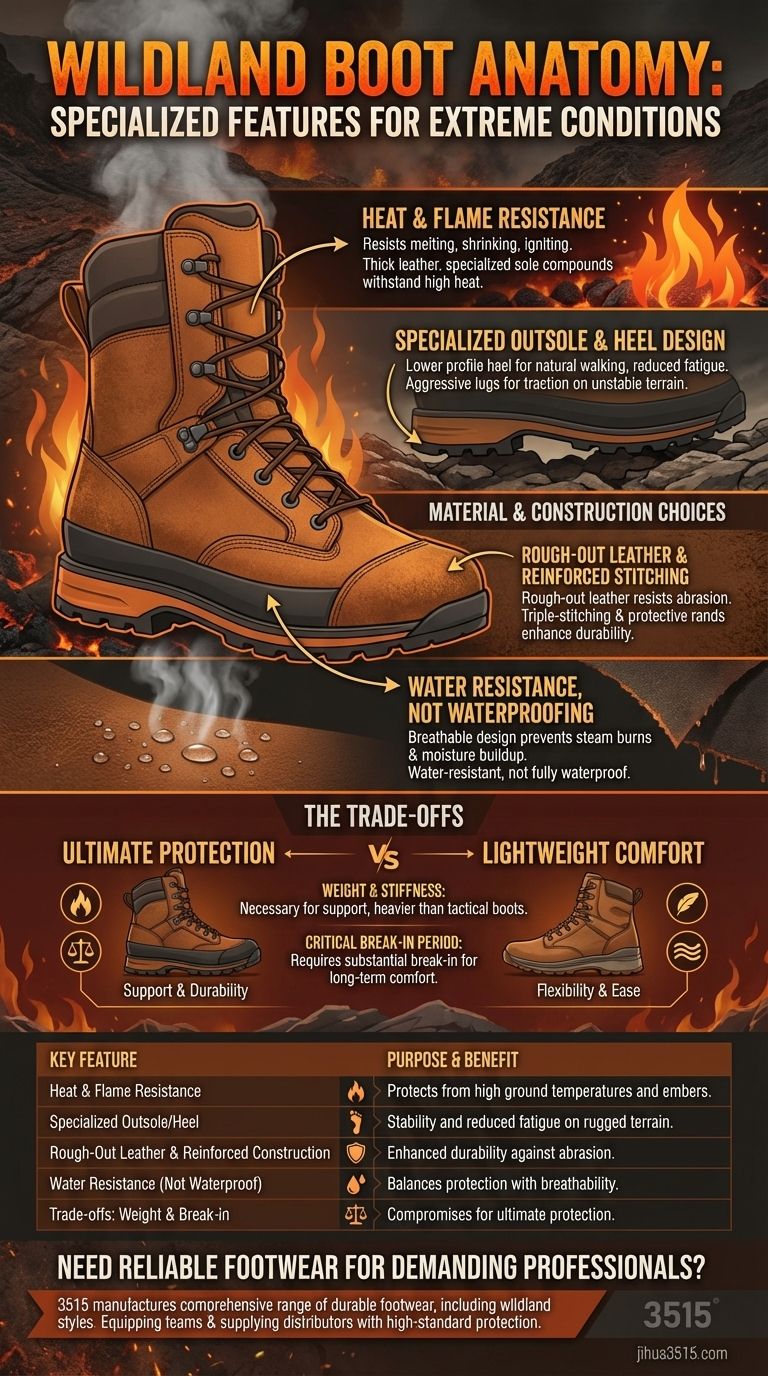
The most critical feature is protection from heat. Wildland boots use materials and construction methods that resist melting, shrinking, and igniting when exposed to high temperatures and flames.
This is achieved through thick, high-quality leather and specialized sole compounds that can withstand contact with hot ground and embers without degrading.
Specialized Outsole and Heel Design
The outsole is designed for stability and endurance over long distances. Many wildland boots feature a lower profile heel compared to traditional logger boots.
This lower heel creates a more natural walking motion, reducing fatigue and the risk of ankle rolls during extended treks across rugged landscapes. The lug patterns are aggressive to provide traction on loose soil, rock, and ash.
Material and Construction Choices
Durability in wildland boots comes from deliberate material selection and reinforcement. They often feature rough-out leather (the rough side faces out), which is more resistant to scrapes and gouges and can help with cooling.
Construction is reinforced with methods like triple-stitching and the addition of a polyurethane-coated leather rand around the base to protect the seams and leather from constant abrasion.
Water Resistance, Not Waterproofing
Most wildland boots are water-resistant, not fully waterproof. A waterproof membrane can trap sweat and ambient heat, leading to moisture buildup inside the boot.
In a high-heat environment, this trapped moisture can cause steam burns and severe blisters. A water-resistant, breathable leather construction offers a safer balance of protection and moisture management.
Understanding the Trade-offs: Not a Daily Boot
The specialized features of wildland boots come with compromises that make them unsuitable for casual or everyday wear. Understanding these trade-offs is key to appreciating their purpose.
The Weight and Stiffness Factor
All the protective features—thick leather, dense soles, and reinforced stitching—add significant weight and stiffness. This construction is necessary for support and protection but makes the boots feel cumbersome compared to lighter tactical or hiking boots.
The Critical Break-in Period
Due to their stout construction and stiff, high-quality leather, wildland boots require a substantial break-in period. This process is essential to mold the boot to your foot for long-term comfort but can be challenging initially.
Cost as a Reflection of Quality
These boots are an investment in safety. The high cost reflects the premium materials, labor-intensive construction, and rigorous testing required to ensure they perform reliably when it matters most.
Making the Right Choice for Your Goal
Selecting the right boot means matching its capabilities to your specific needs.
- If you are a wildland firefighter: Your only choice is a certified wildland boot that meets strict safety standards for heat resistance, construction, and durability.
- If your primary focus is extreme hiking or mountaineering: A wildland-style hiker offers superior durability and ankle support, but you must be willing to accept the trade-off in weight.
- If you need a general-purpose work or hunting boot: The extreme features of a wildland boot are likely unnecessary; a dedicated upland, tactical, or work boot will provide better comfort for less demanding tasks.
Ultimately, choosing a wildland boot is an investment in uncompromising protection and stability for the most demanding conditions on earth.
Summary Table:
| Key Feature | Purpose & Benefit |
|---|---|
| Heat & Flame Resistance | Protects from high ground temperatures and embers using specialized materials. |
| Specialized Outsole/Heel | Lower profile heel and aggressive lugs for stability and reduced fatigue on rugged terrain. |
| Rough-Out Leather & Reinforced Construction | Enhanced durability and abrasion resistance with triple-stitching and protective rands. |
| Water Resistance (Not Waterproof) | Balances protection with breathability to prevent steam burns and moisture buildup. |
| Trade-offs: Weight & Break-in Period | Necessary compromises for ultimate protection and long-term support in extreme conditions. |
Need Reliable Footwear for Demanding Professionals?
As a large-scale manufacturer, 3515 produces a comprehensive range of durable footwear for distributors, brand owners, and bulk clients. Our production capabilities encompass all types of safety boots, including specialized wildland styles built for extreme heat, abrasion, and stability.
We can help you equip your team or supply your customers with footwear that meets the highest standards of protection and performance. Contact our experts today to discuss your specific needs and explore our manufacturing solutions.
Visual Guide
Related Products
- Wholesale Lightweight Tactical Boots Custom Manufacturer for Desert & Combat Use
- Durable Military Combat Boots with Water Drainage for Wholesale & OEM
- Durable Spiked Camouflage Boots Wholesale & Factory Production
- Wholesale High-Traction Camo Boots - Custom Manufacturer for Brands
- Durable Leather Tactical Boots Wholesale & Custom Manufacturing for Brands
People Also Ask
- What are the common types of combat boots? Find the Right Boot for Your Mission
- What specialized protections do tactical boots offer? Maximize Endurance with High-Performance Footwear
- What is the role of high-frequency acquisition hardware in technical skill analysis for outdoor and tactical boots?
- What are the different types of tactical boots available? Find the Right Boot for Your Mission
- What are the main construction similarities between tactical boots and tactical sneakers? Built for Performance & Durability