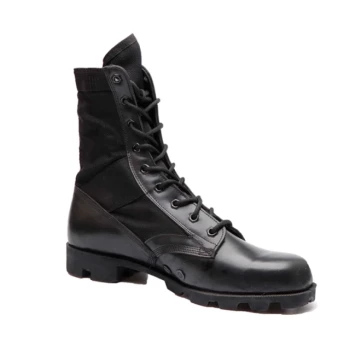
To properly care for TEX membrane boots, you must use a cleaning and waterproofing routine that protects the membrane's delicate structure. The most critical step is to treat them with a permeating, silicone-free waterproofing product, as silicone-based sprays will clog the microscopic pores essential for breathability.
The core principle of TEX membrane boot care is preserving breathability. While the outer material requires cleaning and waterproofing, every product and technique used must be chosen to avoid sealing the microscopic pores of the internal membrane, which are vital for allowing foot perspiration to escape.
The Core Principle: Protecting the Membrane
A TEX membrane is a high-tech layer inside your boot designed to be both waterproof and breathable. Understanding how it works is key to its maintenance.
What the Membrane Actually Does
The membrane contains billions of pores per square inch. These pores are small enough to block liquid water droplets from entering but large enough to allow water vapor (sweat) to escape from inside the boot.
Why Breathability Matters
This ability to let sweat out is what keeps your feet dry from the inside and maintains a comfortable climate within the boot. Without it, your boots would feel clammy and uncomfortable, like wearing plastic bags on your feet.
The Critical Mistake: Clogging the Pores
Using the wrong care products, especially those containing silicone, is the most common way to ruin high-performance boots. Silicone and heavy oils create a complete seal, clogging the membrane's pores and destroying its ability to breathe.
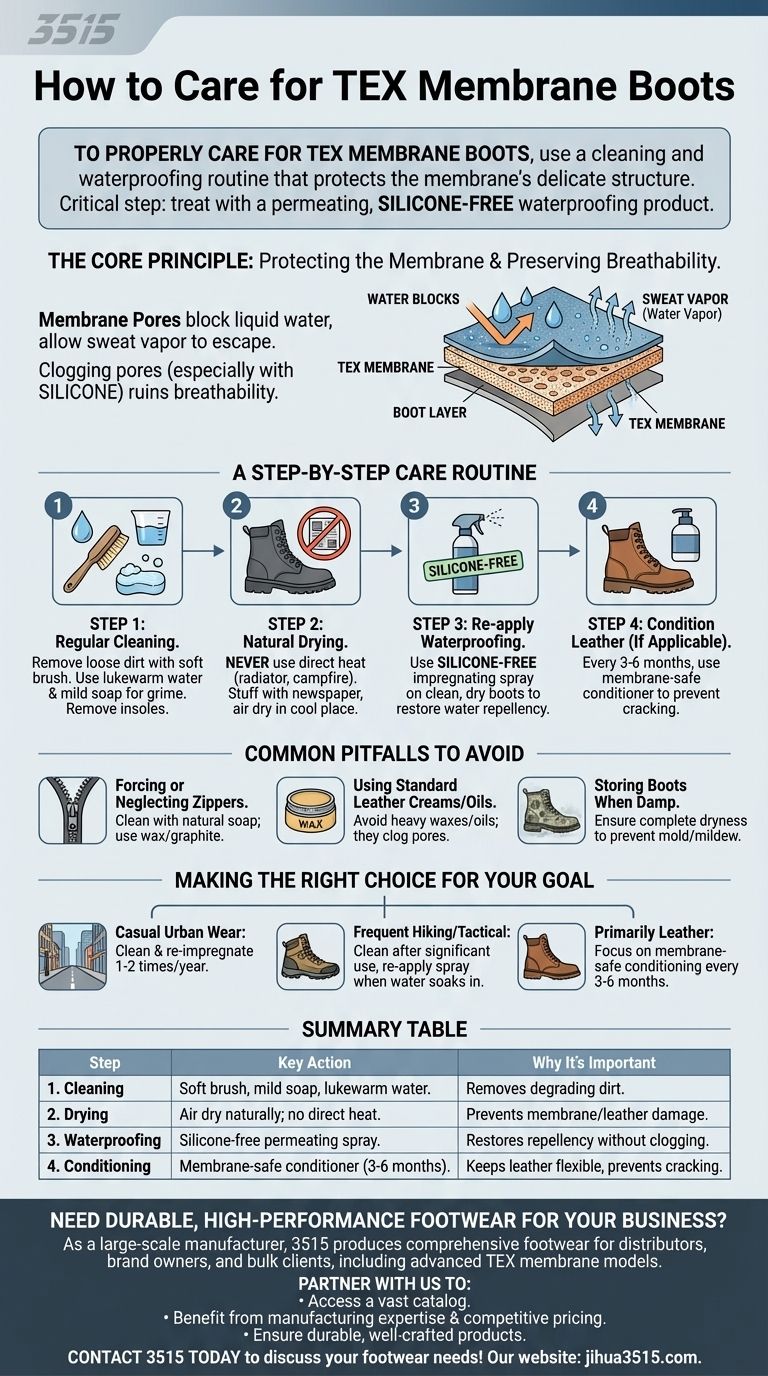
A Step-by-Step Care Routine
Follow this process to maintain your boots' performance and extend their lifespan.
Step 1: Regular Cleaning
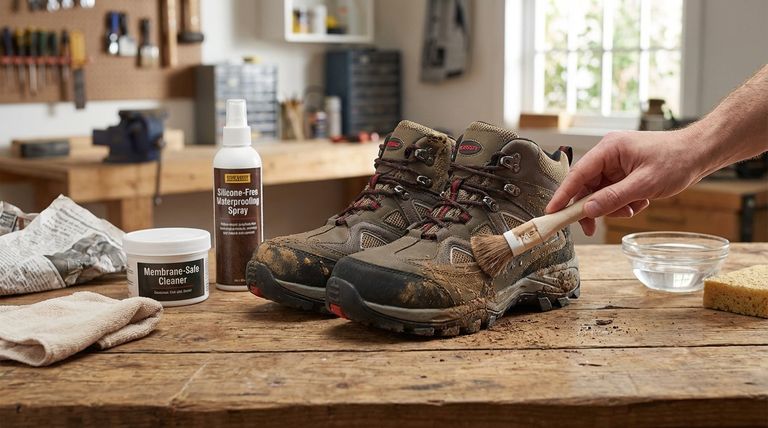
After use, remove loose dirt and mud with a soft brush. For more stubborn grime, use a cloth with lukewarm water and a small amount of mild soap. Always remove the insoles to let them air out separately.
Step 2: Natural Drying
Never dry your boots with direct heat from a radiator, campfire, or hairdryer. Intense heat can damage the membrane, weaken adhesives, and cause leather to shrink and crack. Stuff them with newspaper and let them air dry naturally in a cool, dry place.
Step 3: Re-apply Waterproofing
Once the boots are clean and fully dry, treat them with a specialized silicone-free impregnating spray for TEX membrane footwear. This restores the water-repellent coating on the outer material, ensuring water beads up and rolls off rather than soaking in.
Step 4: Condition Leather (If Applicable)
If your boots have leather uppers, they need conditioning every 3-6 months to stay flexible and prevent cracking. Use a conditioner specifically formulated to be safe for breathable membranes.
Common Pitfalls to Avoid
Even with the right intentions, common mistakes can degrade your boots' performance.
Forcing or Neglecting Zippers
If a zipper feels stuck, do not force it. Clean the teeth with a soft brush and a little natural soap. A light application of wax or graphite can help it run smoothly again.
Using Standard Leather Creams or Oils
While excellent for traditional boots, heavy waxes and oils are not suitable for TEX membrane footwear. They can saturate the outer material and block the membrane's pores, compromising breathability just as much as silicone.
Storing Boots When Damp
Always ensure your boots are completely dry before storing them for an extended period. Storing them damp can lead to the growth of mold and mildew, which can permanently damage the materials and the membrane.
Making the Right Choice for Your Goal
Tailor your care routine to how you use your boots.
- If your primary focus is casual urban wear: A thorough cleaning and re-impregnation once or twice a year is sufficient to maintain performance.
- If your primary focus is frequent hiking or tactical use: Clean your boots after every significant outing and re-apply the waterproofing spray whenever you notice water is soaking into the outer fabric instead of beading up.
- If your boots are primarily leather: Make conditioning every 3-6 months with a membrane-safe product your top priority to prevent the leather from drying out and cracking.
Proper maintenance is about preserving the advanced technology you invested in, ensuring your boots perform as intended for years to come.
Summary Table:
| Step | Key Action | Why It's Important |
|---|---|---|
| 1. Cleaning | Use a soft brush, lukewarm water, and mild soap. | Removes dirt and grime that can degrade materials. |
| 2. Drying | Air dry naturally; stuff with newspaper. Avoid direct heat. | Prevents damage to the membrane and leather. |
| 3. Waterproofing | Apply a silicone-free, permeating spray. | Restores the water-repellent coating without clogging pores. |
| 4. Conditioning | Use a membrane-safe conditioner on leather uppers (every 3-6 months). | Keeps leather flexible and prevents cracking. |
Need Durable, High-Performance Footwear for Your Business?
As a large-scale manufacturer, 3515 produces a comprehensive range of footwear for distributors, brand owners, and bulk clients. Our production capabilities encompass all types of shoes and boots, including advanced TEX membrane models built for reliability and comfort.
Partner with us to:
- Access a vast catalog of high-quality footwear.
- Benefit from our manufacturing expertise and competitive pricing.
- Ensure your customers get durable, well-crafted products.
Contact 3515 today to discuss your footwear needs and discover how we can support your business growth!
Visual Guide
Related Products
- High-Traction Suede Tactical Boots Wholesale & Custom Manufacturing
- Durable Leather Tactical Boots Wholesale & Custom Manufacturing for Brands
- Wholesale Waterproof Tactical Boots Custom Suede & High-Traction Soles
- Premium Wholesale Waterproof Safety Boots High Performance Protection for Industrial Markets
- High Performance Fire-Retardant Waterproof Safety Boots
People Also Ask
- Why is sequential analysis utilized to evaluate tactical boots? Master Dynamic Boot Development and Ergonomic Performance
- How does the material of tactical boots affect their performance? Choose the Right Material for Your Mission
- How do tactical boots differ from regular boots? Performance, Durability & Design Explained
- How do military uniforms and tactical boots impact the prediction of thermal risk? Essential Safety Insights
- What are the benefits of integrating FES and sEMG into tactical boots? Safety, Reliability & Field-Ready Performance