To apply saddle soap correctly, you must first create a light lather on a damp applicator, work it into the leather with gentle, circular motions, and then meticulously wipe away all residue with a clean cloth before allowing the shoes to dry completely. This process is a deep, restorative cleaning method, not a routine maintenance task.
Saddle soap is a powerful, heavy-duty cleaning agent designed for deep restoration, not regular upkeep. Using it correctly involves a careful process of application, residue removal, and re-conditioning to strip old polish and heavy grime without damaging the leather.
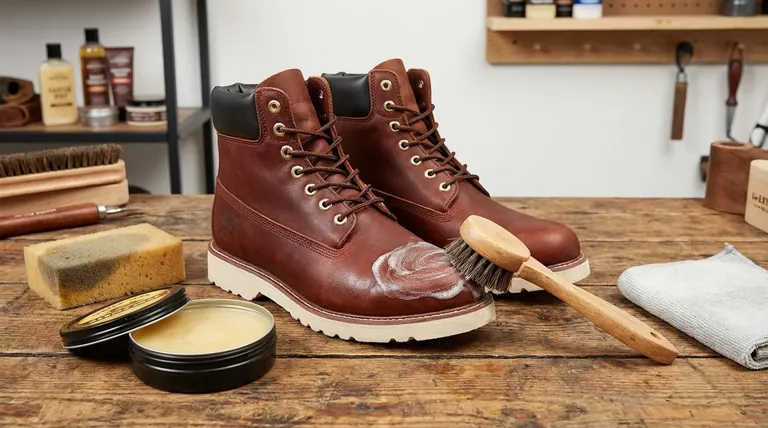
Understanding the Role of Saddle Soap
Saddle soap is essentially a specialized detergent for leather. Its purpose goes beyond simple surface cleaning.
What Saddle Soap Actually Does
The primary function of saddle soap is to deep clean the pores of the leather. It contains mild soap to lift dirt and ingredients like lanolin to provide some minimal conditioning.
Its main use case is to strip away heavy build-up of old wax, polish, and deeply embedded grime that regular brushing or wiping cannot remove.
When to Use It (and When Not To)
Think of using saddle soap as a periodic "reset" for your shoes, not a weekly habit.
It is ideal for heavily soiled work boots, stained dress shoes, or when you want to remove layers of old polish before applying a new base coat. It is not necessary for routine cleaning after a day's wear.
The Correct Application Process
Following a precise method is crucial to avoid damaging the leather's finish or leaving a dulling residue.
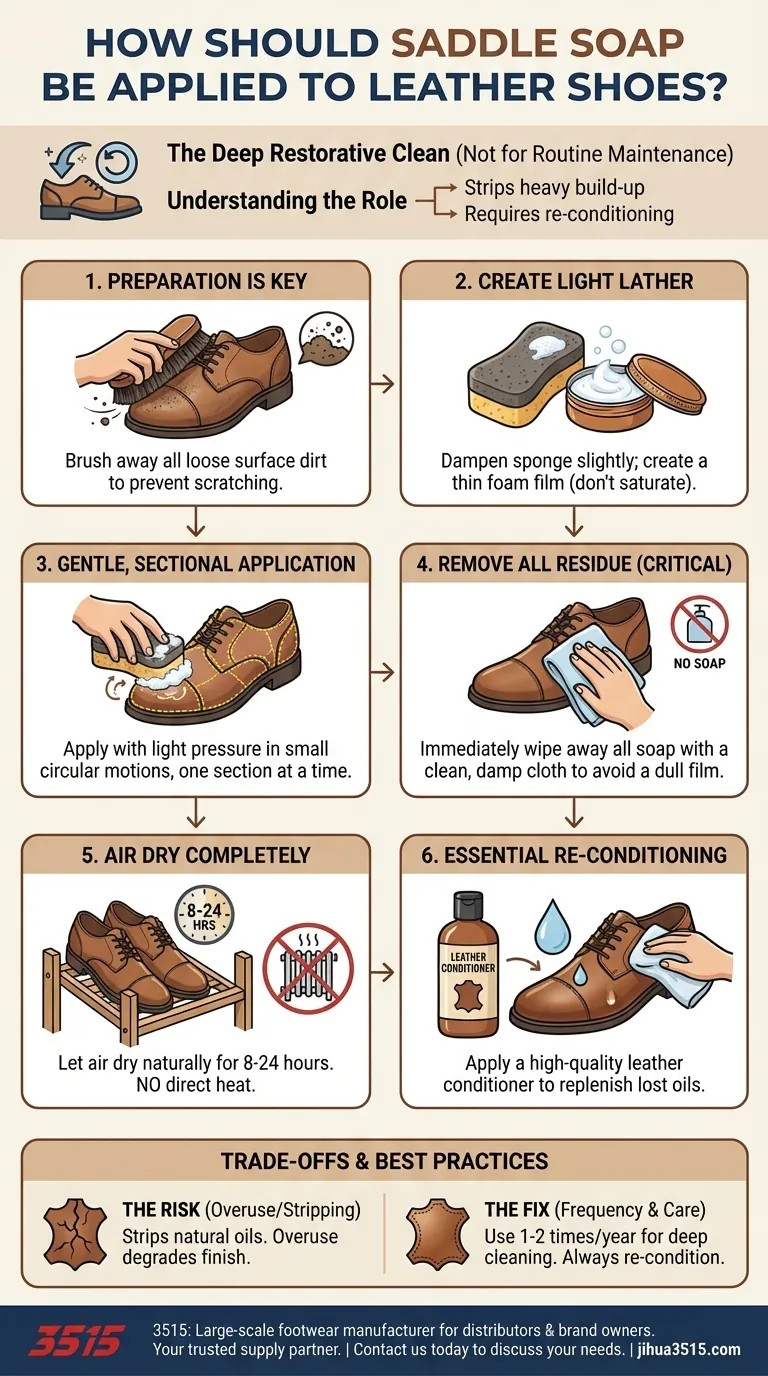
Step 1: Preparation is Key
Before you touch the soap, prepare the shoe. Use a horsehair brush to vigorously brush away all loose surface dirt and dust. This prevents you from grinding abrasive particles into the leather.
Step 2: Create a Light Lather
Slightly dampen a small applicator sponge or a soft-bristled brush with a few drops of water. Do not saturate it.
Gently swirl the damp applicator on the surface of the saddle soap to create a light, consistent lather. You are aiming for a thin film of foam, not thick suds.
Step 3: Gentle, Sectional Application
Apply the lather to the shoe using light pressure and small circular motions. Work on one small section or panel at a time to ensure even coverage.
The goal is to lift the dirt out of the leather, not to scrub it aggressively. Let the soap do the work.
Step 4: Remove All Residue
This is the most critical step. Immediately after lathering a section, use a clean, damp microfiber cloth to thoroughly wipe away all soap residue.
Leaving soap behind can dry out the leather and leave a dull, hazy film on the surface.
Step 5: Air Dry Completely
Once the entire shoe is cleaned and wiped down, let it air dry naturally for at least 8 hours, and up to 24 hours.
Never place leather shoes near a direct heat source like a radiator, as this can cause the leather to crack.
Understanding the Trade-offs
Saddle soap is a powerful tool, but it's not without risks if misused.
The Stripping Effect
Because saddle soap is designed to remove wax and oils, it will inevitably strip some of the leather's natural conditioners along with the dirt. This is an unavoidable part of the deep-cleaning process.
The Necessity of Re-Conditioning
After the shoes have fully dried, it is absolutely essential to apply a high-quality leather conditioner. This step replenishes the oils and moisture lost during the deep clean.
Skipping this step will leave the leather dry, brittle, and susceptible to cracking over time.
The Risk of Overuse
Using saddle soap too frequently can degrade the leather's finish and structure. It's a restorative product, and over-restoring can be as damaging as neglect. For most shoes, using it once or twice a year is more than sufficient.
Making the Right Choice for Your Goal
- If your primary focus is routine maintenance: Simply brush your shoes after wear and wipe them with a damp cloth; saddle soap is not needed.
- If your primary focus is removing a small scuff or stain: Try a dedicated leather cleaner or a small amount of conditioner first before resorting to a full saddle soap treatment.
- If your primary focus is deep restoration: Use saddle soap as the first step in a complete care routine, ensuring you follow it with a quality conditioner and polish.
Ultimately, using saddle soap correctly is about understanding its power and applying it with precision when your leather truly needs a fresh start.
Summary Table:
| Step | Key Action | Important Note |
|---|---|---|
| 1. Preparation | Brush away loose dirt. | Prevents grinding dirt into the leather. |
| 2. Lather | Create a light foam on a damp applicator. | Avoid saturating the applicator. |
| 3. Application | Work into leather with gentle, circular motions. | Focus on one small section at a time. |
| 4. Residue Removal | Wipe away all soap with a clean, damp cloth. | Critical to avoid a dulling film. |
| 5. Drying | Allow shoes to air dry completely (8-24 hours). | Never use direct heat. |
| 6. Conditioning | Apply a quality leather conditioner after drying. | Essential to replenish lost oils. |
Need a reliable source for high-quality leather care products or professional-grade footwear?
As a large-scale manufacturer, 3515 produces a comprehensive range of footwear for distributors, brand owners, and bulk clients. Our production capabilities encompass all types of shoes and boots, ensuring durability and quality that meets the highest standards. Let us be your trusted partner in footwear supply.
Contact our team today to discuss your needs and discover how we can add value to your business.
Visual Guide
Related Products
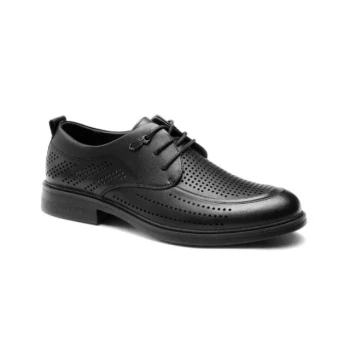
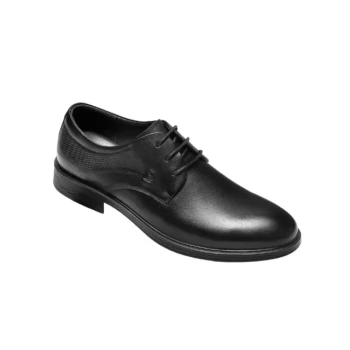
- Classic Leather Derby Dress Shoes Wholesale & Custom Manufacturing
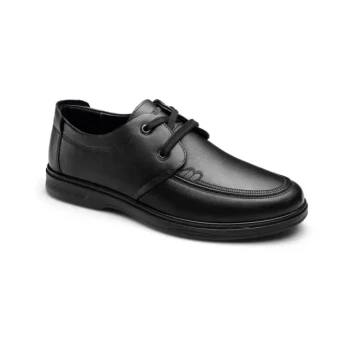
- Factory Direct Wholesale Leather Comfort Shoes with Dial Closure
- Wholesale Comfort Leather Business Shoes with Dial Lacing System
- Custom Manufactured Air Cushion Leather Business Shoes for Wholesale
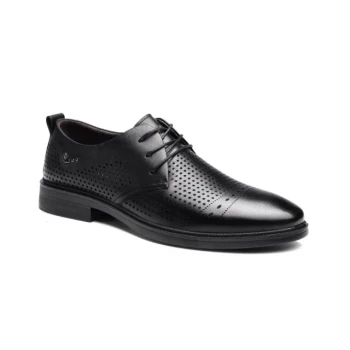
- Wholesale Breathable Perforated Leather Derby Shoes with Modern Comfort Sole
People Also Ask
- How often should leather dress shoes be cleaned and polished? A 3-Tier Care Guide for Longevity
- How can you remove salt stains from leather dress shoes? Save Your Shoes with a Simple Vinegar Solution
- What are the basic steps to clean leather dress shoes? A Guide to Preserving Your Investment
- How should you dry wet leather dress shoes? A Step-by-Step Guide to Save Your Investment
- What historical figure is associated with the Derby shoe? The Earl of Derby's Comfort Revolution