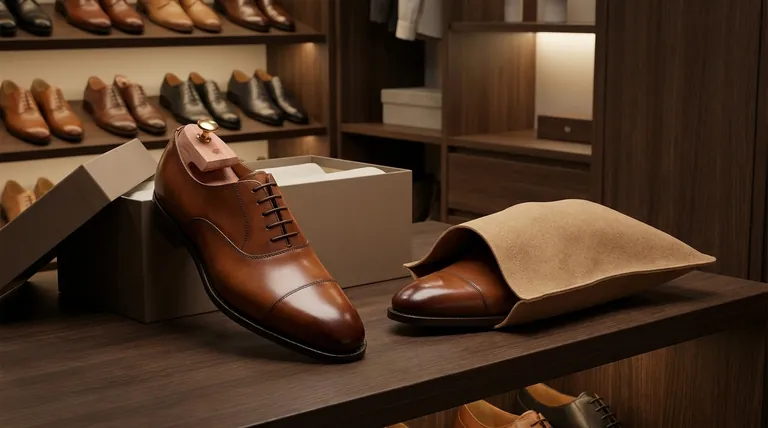
To properly store your dress shoes, you must use cedar shoe trees to absorb moisture and maintain their shape, and keep them in a breathable bag or their original box to protect them from dust and sunlight. This two-part system is the foundation for preserving the leather and structure of your investment.
The goal of storage is not just to put shoes away, but to actively combat the two primary forces that degrade them: moisture from wear and the slow collapse of their shape over time.
The Foundation of Proper Shoe Storage
Proper storage creates a controlled environment that allows your shoes to recover after each wear. It is an active process of preservation, not a passive one of hiding them in a closet.
The Critical Role of the Shoe Tree
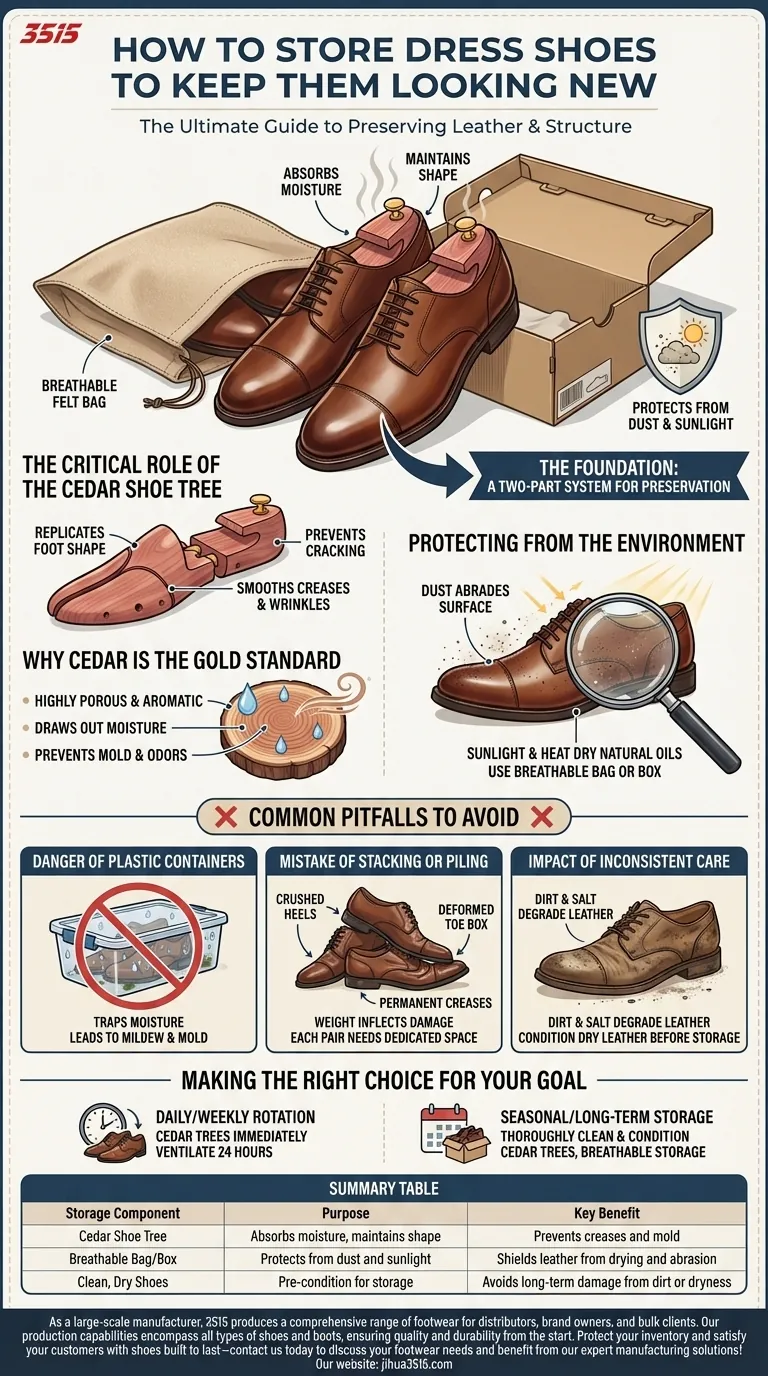
A shoe tree is the single most important tool for extending the life of your footwear. Its primary function is to replicate the shape of your foot while the shoe is resting.
This ensures the leather dries in the correct form, smoothing out the creases and wrinkles that form during a day of wear. Without this support, creases set in permanently, leading to cracks.
Why Cedar is the Gold Standard
While plastic shoe trees maintain shape, cedar wood offers crucial additional benefits. Cedar is highly porous and naturally aromatic.
It actively draws moisture out of the leather lining, which is essential for preventing the leather from weakening and developing mold. The wood also neutralizes odors, keeping your shoes fresh between wears.
Protecting from the Environment
Once a shoe tree is inserted, the shoe needs protection from external elements. Dust, dirt, and direct sunlight are the main culprits.
Dust can work its way into the leather, abrading the surface over time. Sunlight and heat will dry out the leather's natural oils, leading to fading, brittleness, and cracking. Storing shoes in a felt bag or their original box provides an effective barrier.
Common Pitfalls to Avoid
Many well-intentioned storage methods can cause more harm than good. Understanding what to avoid is as important as knowing what to do.
The Danger of Plastic Containers
Never store leather shoes in a plastic box or sealed container. While it may seem like the ultimate protection from dust, it's a trap for moisture.
Leather needs to breathe. An airtight container prevents any residual moisture from escaping, creating a humid environment perfect for mildew and mold growth.
The Mistake of Stacking or Piling
Piling shoes on top of one another in a closet is a common habit that inflicts serious damage.
The weight of other shoes can crush the heel counters, deform the toe box, and permanently crease the uppers. Each pair needs its own dedicated space to rest in its natural shape.
The Impact of Inconsistent Care
Storing a shoe that is dirty or overly dry is a recipe for long-term damage. Dirt and salt can degrade leather over time.
Before any medium or long-term storage, shoes should be wiped clean. If the leather appears dry, a light coat of conditioner will nourish it and prevent it from becoming brittle while stored.
Making the Right Choice for Your Goal
Your storage strategy should adapt based on how frequently you wear the shoes.
- If your primary focus is daily or weekly rotation: Prioritize using cedar shoe trees immediately after taking the shoes off and letting them rest in an open, well-ventilated space for at least 24 hours.
- If your primary focus is seasonal or long-term storage: Ensure the shoes are thoroughly clean and conditioned before inserting shoe trees and placing them in a breathable cloth bag or their original box.
Properly storing your shoes is the most effective way to protect your investment and ensure they last for years.
Summary Table:
| Storage Component | Purpose | Key Benefit |
|---|---|---|
| Cedar Shoe Tree | Absorbs moisture, maintains shape | Prevents creases and mold |
| Breathable Bag/Box | Protects from dust and sunlight | Shields leather from drying and abrasion |
| Clean, Dry Shoes | Pre-condition for storage | Avoids long-term damage from dirt or dryness |
As a large-scale manufacturer, 3515 produces a comprehensive range of footwear for distributors, brand owners, and bulk clients. Our production capabilities encompass all types of shoes and boots, ensuring quality and durability from the start. Protect your inventory and satisfy your customers with shoes built to last—contact us today to discuss your footwear needs and benefit from our expert manufacturing solutions!
Visual Guide
Related Products
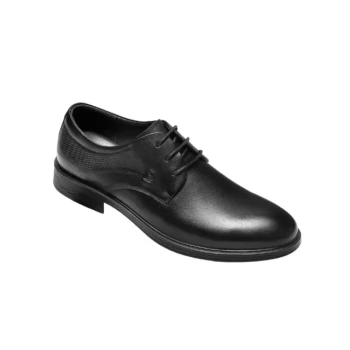
- Classic Leather Derby Dress Shoes Wholesale & Custom Manufacturing
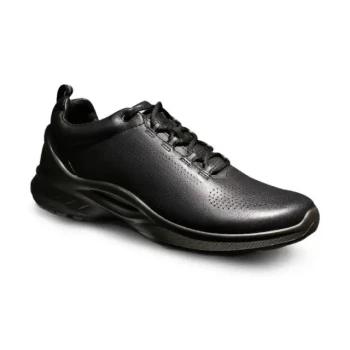
- Wholesale Comfort Dress Shoes with Dial Closure for Custom Manufacturing
- Wholesale Leather Derby Dress Shoes Custom Manufacturer for Brands
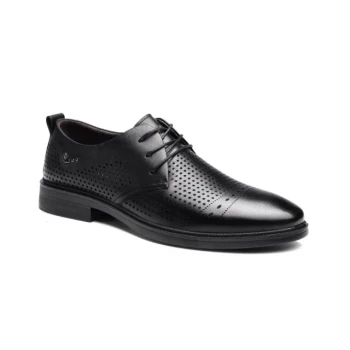
- Wholesale Perforated Comfort Dress Shoes | Custom Derby Shoe Manufacturer
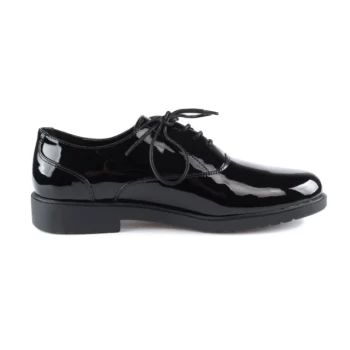
- Wholesale Patent Oxford Dress Shoes | Custom & Bulk Manufacturing
People Also Ask
- How often should leather dress shoes be cleaned and polished? A 3-Tier Care Guide for Longevity
- How can you remove salt stains from leather dress shoes? Save Your Shoes with a Simple Vinegar Solution
- What are the basic steps to clean leather dress shoes? A Guide to Preserving Your Investment
- How should you dry wet leather dress shoes? A Step-by-Step Guide to Save Your Investment
- What historical figure is associated with the Derby shoe? The Earl of Derby's Comfort Revolution