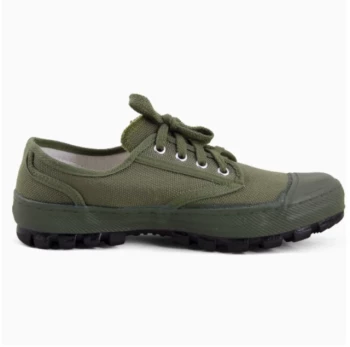
Winter cycling footwear soles are engineered for maximum mechanical grip and thermal insulation. Unlike the smooth, rigid outsoles found on summer racing models, winter soles feature aggressive, lugged tread patterns designed to bite into mud, ice, and snow. This design shift prioritizes rider stability and walkability over pure aerodynamic efficiency, ensuring safety when conditions force a cyclist to dismount.
The transition from summer to winter sole design represents a shift from high-cadence power transfer to high-traction utility. For enterprise partners, this means providing a product that balances specialized material flexibility with the durability required for extreme environments.
Engineering Traction for Harsh Environments
Aggressive Tread Geometry for Winter Stability
Winter soles utilize a rugged, high-traction base characterized by deep lugs and wide channels. This geometry is essential for shedding debris like wet mud or packed snow that would otherwise clog a standard cycling shoe.
The increased surface area of these treads provides the necessary friction for walking on slippery or uneven terrain. This is a critical safety feature for commuters and off-road riders who encounter unpredictable winter path conditions.
Cold-Weather Material Composition
Manufacturers often utilize softer rubber compounds for winter outsoles compared to the hard plastics or carbon fiber used in summer models. These specialized materials remain pliable in sub-zero temperatures, preventing the sole from becoming brittle or dangerously slick.
By maintaining flexibility at the molecular level, the sole continues to offer consistent grip even when the thermometer drops. This material choice is a hallmark of premium OEM production focused on long-term seasonal performance.
Structural Variations and Utility
The Role of Sole Flexibility
Winter models frequently feature a more flexible sole structure than high-performance summer shoes. This added "give" facilitates a more natural walking motion, which is vital when navigating icy patches or snowy inclines.
While summer shoes focus on absolute rigidity for power transfer, winter designs acknowledge the need for multi-functional movement. This flexibility also reduces foot fatigue during long, cold rides where circulation can be a concern.
Integration of Recessed Cleat Systems
Most winter cycling shoes are designed around the SPD (mountain bike style) cleat system. This system allows the cleat to be recessed into the tread, preventing the metal hardware from making direct contact with frozen ground.
This design choice significantly improves walkability and durability. It protects the engagement mechanism from damage caused by ice and grit, ensuring reliable pedal entry and exit throughout the season.
Manufacturing Excellence and Supply Chain Stability
Precision OEM/ODM Capabilities
Producing high-performance winter soles requires state-of-the-art molding equipment and advanced material science. Our enterprise-level manufacturing processes ensure that every lug and channel is molded with exacting precision for consistent performance.
With a rich heritage in technical footwear dating back to 1951, we provide the expertise needed to scale production without compromising structural integrity. This deep industry knowledge allows us to meet the rigorous demands of global distributors.
Robust Volume and International Standards
Our facilities are optimized for massive production scale, ensuring that B2B partners receive consistent, large-volume deliveries on schedule. We maintain comprehensive international certifications, guaranteeing that every batch meets global safety and quality benchmarks.
A stable supply chain is the backbone of a successful winter product launch. By leveraging our robust manufacturing infrastructure, brand owners can confidently fulfill seasonal demand for specialized cold-weather gear.
Understanding the Trade-offs
Weight vs. Protection
The primary trade-off in winter sole design is increased weight. The added rubber and lug depth required for traction inevitably make the footwear heavier than minimalist summer models.
Power Transfer Efficiency
Because winter soles are more flexible, there is a slight reduction in power transfer efficiency compared to ultra-stiff carbon summer outsoles. However, for winter riding, the benefits of safety and warmth far outweigh the marginal loss in wattage.
Internal Volume Requirements
Winter shoes are built with a roomier internal volume to accommodate thicker thermal hosiery. Distributors must advise clients to account for this extra space, as a shoe that is too tight can restrict blood flow and lead to colder feet.
Optimizing Your Winter Inventory Strategy
Making the Right Choice for Your Goal
- If your primary focus is high-volume retail: Prioritize models with versatile SPD-compatible soles that offer a balance of durability and walkability for the average commuter.
- If your primary focus is premium brand positioning: Invest in OEM designs that utilize advanced, soft-compound rubbers and superior thermal break technology within the sole.
- If your primary focus is extreme off-road performance: Look for aggressive, deep-lugged outsoles that offer optional toe spikes for maximum traction in icy conditions.
Selecting the right sole design is the foundation of a high-performance winter footwear line that meets the rigorous demands of the modern cyclist.
Summary Table:
| Feature | Winter Cycling Soles | Summer/Standard Soles |
|---|---|---|
| Tread Pattern | Aggressive, deep lugs for snow/mud | Smooth, minimalist for aerodynamics |
| Material | Pliable soft-compound rubber | Rigid carbon fiber or hard plastic |
| Flexibility | Higher flexibility for walking grip | Extreme rigidity for power transfer |
| Cleat System | Recessed (usually SPD/MTB) | Exposed (often 3-bolt road style) |
| Primary Focus | Traction, safety, and insulation | Weight, stiffness, and speed |
Elevate Your Seasonal Line with 3515's Manufacturing Excellence
As a premier large-scale manufacturer serving distributors and brand owners since 1951, 3515 provides the engineering expertise and massive production scale your brand needs to lead the market. We offer comprehensive OEM/ODM capabilities for all footwear types, anchored by our flagship Safety Shoes series. Our extensive portfolio—including tactical boots, outdoor footwear, training shoes, and sneakers—is backed by international certifications and robust supply chain stability to ensure consistent, large-volume delivery.
Ready to enhance your inventory with high-performance winter footwear? Contact us today to discuss your bulk requirements!
Related Products
- Durable Rubber Sole Outdoor Shoes Wholesale & Custom Manufacturing
- Wholesale Waterproof Tactical Boots Custom Suede & High-Traction Soles
- Wholesale Breathable Training Shoes Custom Athletic Footwear Manufacturer
- Wholesale Durable Camouflage Canvas Shoes with High-Traction Cleated Rubber Sole
- Premium Suede Sport Safety Shoes for Wholesale & Bulk Orders
People Also Ask
- What is the function of the sole in outdoor shoes? Find the Perfect Grip and Support
- What role do outdoor shoes and sneakers play in navigating external terrains? Engineered Stability for Every Surface
- How is AI utilized in the design of outdoor and safety footwear? Harnessing Big Data for Market-Driven Shoe Innovation
- Why is durability important when selecting outdoor shoes? A Guide to Safety & Long-Term Value
- What are the key components of outdoor shoes that affect comfort and sturdiness? A Guide to Durable, High-Performance Footwear