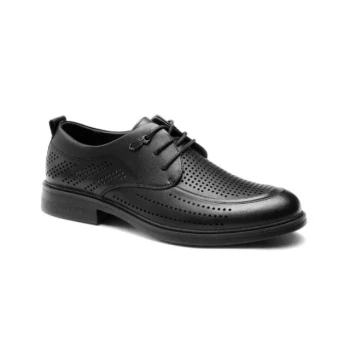
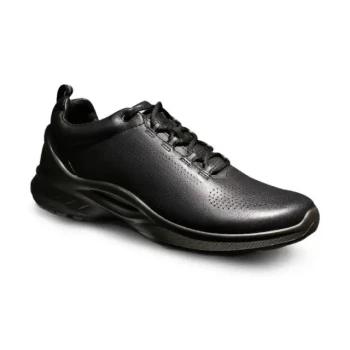
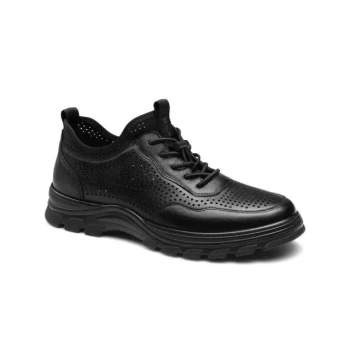
Professional 3D modeling serves as a critical neurological trigger in gait analysis. By meticulously restoring the structural characteristics of specific footwear—such as the heel of a dress shoe or the sole of a sneaker—these models provide distinct visual cues. These cues trick the brain into adjusting stride and balance to match the virtual shoe, even when the subject's actual physical footwear remains unchanged.
By accurately simulating features like heel height, 3D models induce "internal synesthesia," compelling subjects to subconsciously alter their movement patterns to fit the virtual footwear, effectively validating the principle of body affordance.
The Mechanism of Visual Influence
Restoring Structural Integrity
To influence human movement, a virtual model cannot simply be a generic shape. It must accurately reflect the specific structural characteristics of the footwear type.
For example, the geometry of an athletic training shoe is vastly different from a formal dress shoe. Professional modeling captures these nuances to ensure the user perceives a distinct object with specific physical properties.
Providing Distinct Visual Cues
The brain relies on visual input to anticipate how the body should interact with the ground.
High-fidelity modeling highlights key features, such as the elevation of a heel or the thickness of a sole. These visual cues act as data points that the brain processes immediately upon seeing the virtual avatar.
From Perception to Physical Action
Inducing Internal Synesthesia
The primary contribution of these 3D models is the induction of internal synesthesia.
This phenomenon occurs when visual inputs cross over to influence physical sensation and motor control. The subject "feels" the implications of the shoe—such as instability or elevation—purely based on its visual representation.
Proactive Gait Adjustment
Because of internal synesthesia, subjects do not wait to feel the ground to adjust their walking style.
Instead, they proactively modify their stride length, cadence, and balance. They move as if they are wearing the virtual shoe, demonstrating that visual expectation can override immediate physical feedback.
Validating Body Affordance
This process is vital for studies focused on body affordance effects.
Affordance refers to the qualities of an object that define how it can be used. By proving that a virtual image alone can change physical gait, researchers validate that the brain extends its body schema to include virtual tools.
Critical Constraints and Trade-offs
The Necessity of High Fidelity
The "illusion" of the virtual shoe relies entirely on the quality of the 3D model.
If the structural characteristics are ambiguous or low-quality, the brain may fail to register the distinct visual cues required to trigger internal synesthesia. The effect collapses if the model looks like a generic texture rather than a structural object.
The Physical-Visual Disconnect
While subjects adjust to visual cues, the physical footwear remains unchanged.
Researchers must account for the cognitive load required to maintain this gait adjustment. While the visual cues are powerful, there is an inherent tension between what the eyes see (a high heel) and what the feet feel (a flat floor), which is exactly what makes these studies valuable for understanding cognitive processing.
Making the Right Choice for Your Goal
To leverage 3D modeling effectively in gait studies, you must align the asset quality with your specific research objectives.
- If your primary focus is validating body affordance: Prioritize the exaggeration and accuracy of structural features (like heel height) to ensure the visual cue is strong enough to trigger a motor response.
- If your primary focus is subtle gait comparison: Ensure the texture and lighting of the model are photorealistic to deepen the immersion and strengthen the internal synesthesia effect.
Ultimately, the value of the 3D model lies not in its aesthetics, but in its ability to hijack the brain’s motor planning through precise visual data.
Summary Table:
| Feature of 3D Model | Impact on Gait Analysis | Research Benefit |
|---|---|---|
| Structural Integrity | Restores specific geometry (e.g., heel height) | Ensures distinct perception of footwear type |
| High-Fidelity Visuals | Highlights sole thickness & elevation | Triggers neurological motor planning |
| Internal Synesthesia | Crosses visual input to motor control | Subjects move based on visual expectation |
| Body Affordance | Validates brain's body schema extension | Proves virtual tools influence physical gait |
Elevate Your Research and Brand with 3515’s Footwear Expertise
As a large-scale manufacturer serving global distributors and brand owners, 3515 combines decades of footwear engineering with cutting-edge production capabilities. Whether you are analyzing gait patterns or developing high-performance footwear, our flagship Safety Shoes series and comprehensive portfolio—including tactical boots, outdoor shoes, training sneakers, and formal dress shoes—provide the structural precision required for excellence.
Why partner with 3515?
- Bulk Manufacturing Excellence: Reliable production for diverse global requirements.
- Versatile Portfolio: From rugged work boots to sophisticated dress & formal footwear.
- Precision Engineering: We understand the structural nuances that influence human movement.
Ready to scale your footwear line or enhance your research with professional-grade manufacturing? Contact us today to explore how our production power can drive your success!
References
- Sebastian Oberdörfer, Marc Erich Latoschik. Proteus effect or bodily affordance? The influence of virtual high-heels on gait behavior. DOI: 10.1007/s10055-024-00966-5
This article is also based on technical information from 3515 Knowledge Base .
Related Products
- Wholesale Durable Camouflage Canvas Shoes with High-Traction Cleated Rubber Sole
- Durable Leather High-Ankle Tactical Boots for Wholesale & Custom Manufacturing
- Durable High-Ankle Tactical Boots Wholesale Manufacturer for Custom & Bulk Orders
- Durable Leather Work Boots for Wholesale & Custom Manufacturing
- Wholesale Breathable Training Shoes Custom Athletic Footwear Manufacturer
People Also Ask
- Why is the selection of high-strength fabric materials necessary in the production of canvas shoes and training shoes?
- What are the properties of canvas as a shoe material? A Guide to Lightweight Comfort & Style
- Can canvas shoes be worn in rainy conditions? The Truth About Water Resistance
- What are some examples of vulcanized shoes? Discover the Flexibility and Board Feel of Classic Sneakers
- What are the characteristics of canvas as a shoe material? A Guide to Lightweight, Breathable Footwear