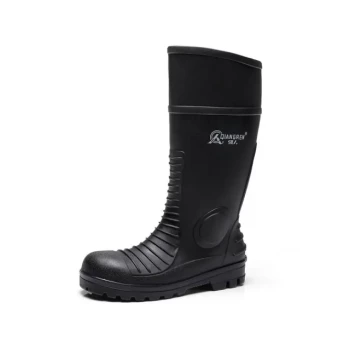
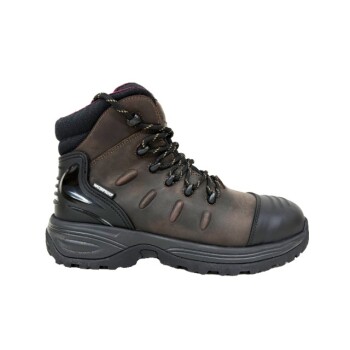
Industrial-grade refurbishing equipment is the essential catalyst for a circular economy in the functional footwear sector. These specialized tools, including heavy-duty sewing machines and sole refurbishing presses, allow for deep structural restoration that standard repair methods cannot achieve. By returning safety shoes and technical footwear to their original performance specifications, this equipment transforms a linear "take-make-waste" model into a sustainable loop of multiple life cycles.
Specialized machinery ensures that repaired functional footwear remains safe and compliant, moving beyond cosmetic fixes to provide deep structural restoration. This technical capability is the foundation of a circular model, making reuse both a safe and economically viable alternative to replacement.
Extending Lifespans through Structural Restoration
Restoring Original Protection and Comfort
Functional footwear, such as safety boots, relies on structural integrity to protect the wearer from workplace hazards. Specialized industrial equipment allows technicians to perform deep-tissue repairs that restore the original protection levels and ergonomic comfort of the shoe.
Precision in Component Replacement
Heavy-duty sole refurbishing presses apply the exact pressure and heat required to bond new outsoles to existing uppers. This precision ensures that the bond is as strong as the original factory seal, preventing premature failure during the shoe's second or third life cycle.
Advanced Stitching for Durability
Industrial sewing machines are designed to penetrate the thick, protective materials used in functional footwear, such as reinforced leather or synthetic composites. These machines create high-tensile seams that maintain the shoe’s structural shape and safety ratings under heavy use.
Standardizing Safety in the Circular Loop
Ensuring Regulatory Compliance
For footwear used in industrial settings, a repair is only successful if the product still meets strict safety standards (such as impact or electrical resistance). Standardized processes powered by industrial machinery provide the consistency needed to certify that a refurbished shoe is still "fit for purpose."
Achieving Multiple Product Life Cycles
The circular economy depends on the ability to keep products in use for as long as possible. Specialized equipment makes it feasible to replace specific worn components—like the outsole—multiple times while preserving the high-value upper, effectively doubling or tripling the product's total utility.
Consistency Across Large-Scale Operations
Industrial equipment allows for the scaling of repair operations, ensuring that every shoe in a fleet meets the same high-quality benchmark. This reliability is critical for organizations that manage large volumes of functional footwear and require a predictable supply of refurbished gear.
Understanding the Trade-offs
High Initial Capital Investment
The primary barrier to implementing industrial refurbishing is the significant cost of the specialized machinery and the space required for a dedicated workshop. Organizations must weigh these upfront costs against the long-term savings of reduced procurement and lower waste-disposal fees.
Material Limitations and Wear Thresholds
Not all footwear can be saved; if the primary structure or safety toe cap is compromised beyond a certain threshold, even industrial equipment cannot restore it safely. Identifying the "point of no return" is a critical skill that requires both expert training and specialized diagnostic tools.
Training and Skill Requirements
Operating heavy-duty refurbishing equipment requires specialized technical knowledge that differs from traditional shoemaking. A lack of skilled labor can lead to improper repairs, which may compromise the safety of the footwear and increase liability risks.
Integrating Refurbishing Into Your Sustainability Strategy
To successfully transition to a circular model for functional footwear, you must align your repair capabilities with your specific operational requirements.
- If your primary focus is regulatory compliance: Invest in standardized industrial presses and sewing machines that can be calibrated to meet specific safety certification benchmarks.
- If your primary focus is cost reduction: Focus on a high-volume refurbishing workflow that targets "replaceable" components like outsoles, maximizing the ROI of the initial footwear purchase.
- If your primary focus is environmental impact: Use industrial equipment to extend the life of high-carbon-footprint materials, such as treated leathers and technical polymers, ensuring they stay out of landfills for as long as possible.
By leveraging specialized industrial equipment, you turn the concept of a circular economy into a practical, safe, and highly efficient operational reality.
Summary Table:
| Aspect | Description | Impact |
|---|---|---|
| Core Function | Deep structural restoration of functional footwear | Transforms linear model to sustainable multiple life cycles |
| Key Capabilities | Heavy-duty sewing, sole presses, precision component replacement | Restores original protection, comfort, and durability (e.g., strong factory-like bonds) |
| Safety & Compliance | Ensures refurbished footwear meets strict industry standards (e.g., impact) | Refurbished shoes remain "fit for purpose" and legally compliant for industrial use |
| Life Cycle Extension | Feasible to replace worn components multiple times | Doubles or triples product utility, reducing waste and procurement costs |
| Scalability | Enables consistent quality across large-scale repair operations | Critical for organizations managing large volumes of functional footwear |
| Initial Investment | High capital cost for machinery and workshop setup | Requires weighing upfront costs against long-term savings in waste and procurement |
| Material Limits | Not all footwear can be saved if primary structure is compromised | Expert training and diagnostic tools are crucial to identify "point of no return" |
| Skill Requirements | Specialized technical knowledge needed for operation | Improper repairs due to lack of skilled labor can compromise safety and increase liability risks |
Unlock the full potential of your footwear assets and champion the circular economy with 3515. As a large-scale manufacturer serving distributors and brand owners, 3515 offers comprehensive production capabilities for all footwear types, anchored by our flagship Safety Shoes series. Our extensive portfolio covers work and tactical boots, outdoor shoes, training shoes, and sneakers, as well as Dress & Formal shoes to meet diverse bulk requirements. We are your trusted partner in achieving unparalleled product longevity and sustainability.
Ready to discuss your bulk manufacturing needs or explore how our expertise can enhance your product lifecycle?
References
- Joel Millward-Hopkins. The Social Implications of Circular Clothing Economies in the Global North. DOI: 10.3390/su16167094
This article is also based on technical information from 3515 Knowledge Base .
Related Products
- Durable Leather Work Boots for Wholesale & Custom Manufacturing
- Durable Leather Work Boots for Wholesale & Custom OEM Manufacturing
- Wholesale Customizable Safety Boots Durable & Protective Footwear Manufacturing
- Wholesale Durable Safety Boots | Custom Steel Toe & Puncture-Resistant Manufacturing
- Puncture-Resistant Velcro Safety Boots for Wholesale & Custom Manufacturing
People Also Ask
- What is the difference between full-grain and top-grain leather? Premium Material Guide for Boot Manufacturers
- What are the common workplace hazards that can be mitigated with the right work boots? Protect Your Workforce
- What are the common foot issues workers face due to uncomfortable work boots? Prevent Pain & Deformities
- What are the advantages of leather versus synthetic work boots? A Guide to Choosing the Right Material
- What are the key components of modern work boots? Engineered for Ultimate Durability and Comfort